What is Motivational Interviewing?
Motivational interviewing is a highly effective counseling method that has gained popularity in the field of psychology and therapy. Developed in 1983 by psychologist William R. Miller, MI was further refined in collaboration with psychologist Stephen Rollnick. This approach was initially created to help people commit to the challenging process of behavior change.
The core philosophy behind motivational interviewing is rooted in Carl Rogers’s person-centered therapy, which emphasizes empathy, genuineness, and unconditional positive regard. MI takes this further by focusing on resolving ambivalence and fostering intrinsic motivation within individuals to drive positive changes in their lives.

How Does Motivational Interviewing Help?
Motivational interviewing offers a unique set of benefits to people seeking positive behavioral changes in their lives. By employing a collaborative and client-centered approach, a motivational interview helps people explore their ambivalence and find the intrinsic motivation needed to make meaningful and lasting transformations.
Motivational interviewing’s effectiveness has been supported by a wealth of research, and it is proven effective across diverse populations and behavioral change contexts. By guiding clients toward intrinsic motivation and empowering them to make positive choices, MI equips people with valuable skills to overcome obstacles and achieve meaningful, self-driven transformations.
Here are some ways in which motivational interviewing can help:
Ambivalence is a routine struggle when it comes to behavioral change. People often find themselves torn between the desire to change and the comfort of maintaining the status quo. Motivational interviewing acknowledges and addresses this ambivalence, providing people with a safe space in which to explore their conflicting feelings and thoughts without judgment.
Through the therapeutic alliance and empathetic listening, MI helps people develop a stronger commitment to change. By understanding and expressing their own reasons for change, individuals become more invested in the process, making them more likely to take positive steps towards achieving their goals.
Self-efficacy, or the belief in your ability to succeed, is vital for making lasting changes. Motivational interviewing focuses on building and reinforcing self-efficacy by acknowledging strengths, past successes, and unique capabilities. This boosts confidence to overcome challenges and empowers people to take control of their lives.
Unlike external motivations – pressure from others, financial incentives, or societal expectations, for example – intrinsic motivation comes from within. Motivational interviewing questions help people identify their internal reasons for change – personal values or aspirations – which are more likely to sustain long-term behavioral transformations
In motivational interviewing, the therapist and the client work as equal partners in the therapeutic process. The therapist does not impose their views or decisions on the client but rather collaborates with them to explore their concerns, values, and goals. This collaborative approach fosters trust and creates a safe space for clients to share their thoughts and emotions openly.
Resistance is a natural response when confronted with change. Rather than confronting resistance directly, MI therapists approach it with understanding and curiosity. By gently exploring the reasons behind the resistance, therapists can help clients find their own solutions and reduce defensiveness.
MI helps people make informed decisions about their behaviors and actions. By evaluating the pros and cons of change, clients gain a deeper understanding of the impact of choices in life. This process helps clients feel more confident in their decisions and reinforces their autonomy.
Motivational interviewing is highly adaptable and can be applied to various behavioral change goals, ranging from weight management and chronic disease management to treatment compliance. Its versatility makes it suitable for a wide range of people and issues.

Principles of Motivational Interviewing
Motivational interviewing is founded on several core principles that form the bedrock of its ability to enable positive behavioral change. These principles guide therapists in their interactions with clients, promoting a collaborative and empathetic approach over the many stages of motivational interviewing.
- Express empathy
- Develop discrepancy
- Roll with resistance
- Support self-efficacy
Click the tabs below to learn more about these principles:
Empathy lies at the heart of MI and is the foundation of the therapeutic relationship. Therapists practicing MI demonstrate deep empathy by actively listening to their clients without judgment. By understanding and acknowledging clients’ feelings, thoughts, and experiences, therapists create a safe space where clients feel heard, respected, and valued.
The principle of developing discrepancy involves helping clients recognize the discrepancy between their current behaviors and their desired goals or values. By guiding clients to explore the gap between where they are now and where they want to be, therapists evoke a sense of cognitive dissonance that motivates clients to consider change.
Instead of confronting resistance head-on, MI therapists adopt a stance of rolling with resistance. They avoid arguing, persuading, or coercing clients into change but rather accept and explore any resistance the clients may express. By doing so, therapists can learn more about clients’ concerns and ambivalence, paving the way for deeper exploration.
Building self-efficacy – the belief in the ability to change – is a vital aspect of MI. Therapists support clients in recognizing their strengths, resources, and past successes. By highlighting these positive attributes, therapists instill confidence in clients that they have the capability to overcome challenges and make meaningful changes.
Seeking Safety therapy is structured to ttings.
The Benefits of Motivational Interviewing
By adhering to these principles, therapists can effectively engage clients in the change process, enhance their motivation, and facilitate lasting behavioral transformations. Motivational interviewing techniques are person-centered and empathetic to empower people to take charge of their lives and make positive changes in alignment with their own values and aspirations.
FAQs
Motivational interviewing follows a model called the stages of change or the transtheoretical model. Motivational interviewing stages include:
Pre-contemplation (not yet considering change)
Contemplation (thinking about change)
Preparation (planning for change)
Action (taking steps toward change)
Maintenance (sustaining change).
Relapse is also recognized as a common stage where individuals may revert to previous behaviors.
OARS motivational interview is an acronym used in motivational interviewing to represent fundamental communication techniques: OARS refers to open-ended questions, affirmations, reflective listening, and summarizing.
An example of motivational interviewing could be a therapist asking open-ended questions like “What do you hope to achieve from this change?” or providing affirmations such as “I can see you’ve put a lot of effort into this process.” Reflective listening involves responding to a client’s statement with empathy – “It sounds like this has been a difficult challenge for you.“
Motivational interviewing is often used in healthcare settings, weight management, and other behavioral change interventions to enhance intrinsic motivation and support positive changes in individuals’ lives.
Get Motivational Interviewing Therapy at Connections
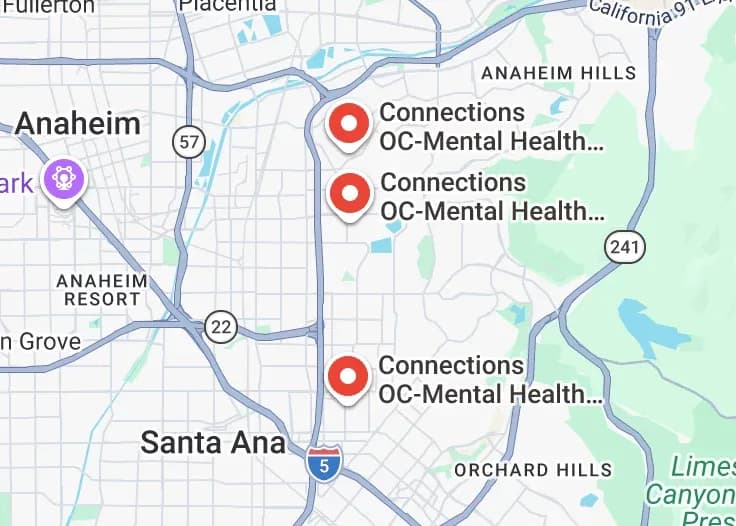
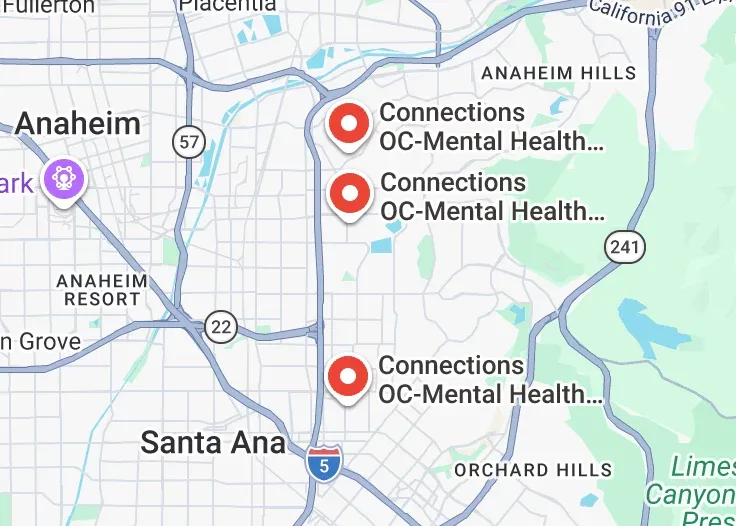
Connections Mental Health in Southern California offers a serene and supportive environment for those seeking stability while addressing mental health issues.
Motivational interviewing is a core component of many treatment programs at our cozy and welcoming center. We understand that every person is different and every mental health condition presents differently, and this is reflected in the highly personalized treatment programs on offer.
Rather than dealing with the symptoms of a mental health disorder, we focus on treating the person as a whole. By combining evidence-based treatments like motivational interviewing and CBT, with holistic treatments like mindfulness, it is possible to make lasting and positive changes.
Call Connections Mental Health today at 888-255-2112 for immediate assistance and treatment tailored to your needs.