According to a study from PubMed Central on NIH, 366.33 million adults are affected by Attention-deficit hyperactivity disorder (ADHD).
It is a common mental health condition that impacts focus, behavior, and impulse control.
ADHD affects children, adolescents,
young adults, and adults. Many people continue to experience symptoms well into adulthood.
For many people, ADHD occurs along with other serious mental health conditions. This may require structured, higher-level care rather than outpatient or therapy support alone.
ADHD can make daily life harder. It may affect school, work, relationships, and emotional well-being. With the right support, people with ADHD can learn how to manage symptoms and improve their quality of life.
This guide explains:
What ADHD is
Common symptoms of ADHD
The different types of ADHD
How ADHD is diagnosed
ADHD testing options in Orange County
ADHD treatment options in California
WYSIWYG HTML . com
Edit or paste your text in the visual editor on the left or the source editor on the right.
Convert your documents instantly to HTML markup. Edit either of the two input fields to see the changes reflected in the other one instantly.
Get Personalized Addiction Care at The Connections Mental Health
Our rehab centers help men and women who are struggling with addictions, substance abuse and mental health disorders. We also provide treatment exclusively to International Association of Fire Fighters (IAFF) members at our Maryland facility, the IAFF Center of Excellence for Behavioral Health Treatment and Recovery.
Attention-deficit hyperactivity disorder is a mental health condition that affects how the brain manages attention, behavior, and self-control. People with ADHD may struggle with inattention, impulsivity, hyperactivity, or a mix of all three.
ADHD often begins in childhood. For many people, symptoms continue into adulthood. Others are not diagnosed until later in life.
Adult ADHD may look different than ADHD in children. Hyperactivity may decrease, but problems with focus, restlessness, and impulse control often remain.
ADHD is not caused by laziness or lack of effort. It is a real mental health disorder linked to differences in brain function and executive functioning.
What Are the Symptoms of ADHD?
Symptoms of ADHD can look different from person to person. Some will experience mild symptoms, while others struggle daily.
Symptoms of ADHD in Adults
Trouble focusing or staying organized
Forgetting deadlines or appointments
Difficulty managing time
Inattention during conversations
Impulsivity or acting without thinking
Low frustration tolerance
Mood changes
Restlessness or fidgeting
Trouble finishing tasks
Losing things easily
Many adults with ADHD feel overwhelmed by everyday responsibilities. They may feel frustrated or discouraged, especially if symptoms have gone untreated.
ADHD Symptoms in Adolescents and Young Adults
In adolescents and young adults, ADHD symptoms may include:
Trouble in school
Difficulty following rules
Issues with impulse control
Problems managing responsibilities
Early diagnosis and treatment can help reduce long-term difficulties.
Types of ADHD
There are three primary types of ADHD. A full ADHD assessment helps determine which type best fits a person’s symptoms.
ADHD, combined type: This is the most prevalent form of ADHD. It involves a combination of impulsive and hyperactive behaviors along with inattention and distractibility. Individuals with this type may have difficulty focusing, controlling impulses, and managing their activity levels.
ADHD, impulsive/hyperactive type: This is the least common subtype of ADHD. It is characterized by impulsive and hyperactive behaviors without significant issues related to inattention and distractibility. People with this type may struggle with impulsiveness and restlessness but might not experience the same degree of attention difficulties.
ADHD, inattentive and distractible type: This subtype primarily manifests as difficulties with inattention and distractibility, with less prominent hyperactivity. Individuals with this type might find it challenging to maintain focus, stay organized, and complete tasks, but they may not exhibit the same level of hyperactivity as seen in other types of ADHD.
ADHD symptoms can vary widely among individuals, and a comprehensive assessment by a healthcare professional is necessary for accurate diagnosis and appropriate treatment planning.
The Difference Between ADD and ADHD
ADD is an older term that is still used informally. In clinical settings, ADHD is the correct diagnosis. ADHD includes inattentive, hyperactive-impulsive, and combined types. A mental health provider will look at symptoms and how they affect daily life before making a diagnosis.
ADHD and Mental Health
ADHD often occurs alongside other mental health disorders. These may include:
Anxiety
Depression
Trauma-related conditions
Autism
ADHD and autism are different conditions, but they can occur together. A careful psychological assessment helps providers tell them apart and plan proper treatment.
ADHD Treatment Options
ADHD treatment works best when it is personalized. Treatment plans may include one or more approaches.
What Does ADHD Treatment Include?
Medication management through psychiatry
Behavioral therapy
CBT (cognitive behavioral therapy)
Psychotherapy
Skills-based interventions
Effective treatment focuses on improving daily functioning, impulse control, and overall well-being.
Adult ADHD Treatment in Orange County
Adult ADHD is often missed or misdiagnosed. Many adults seek help after years of struggle at work or in relationships. Women are especially underdiagnosed because symptoms may appear less visible.
Connections Mental Health provides ADHD treatment in Orange County, including:
Irvine
Newport Beach
Mission Viejo
Fountain Valley
Seal Beach
Our providers work closely with each person to create treatment plans that support long-term mental health.
ADHD FAQ
What is ADHD paralysis?
ADHD paralysis is the feeling of being stuck or overwhelmed. It can make starting or finishing tasks very difficult.
Is ADHD a disability?
ADHD may be considered a disability when it greatly affects daily functioning.
Are ADHD and autism related?
ADHD and autism are distinct conditions, but they can coexist in some individuals – they share certain traits, but they are not directly related.
How do I get diagnosed with ADHD?
A licensed mental health provider can diagnose ADHD through psychological assessment and testing.
How is ADHD treated?
ADHD treatment often includes medication, behavioral therapy, psychotherapy, and supportive interventions.
ADHD Testing and Treatment in Orange County, California
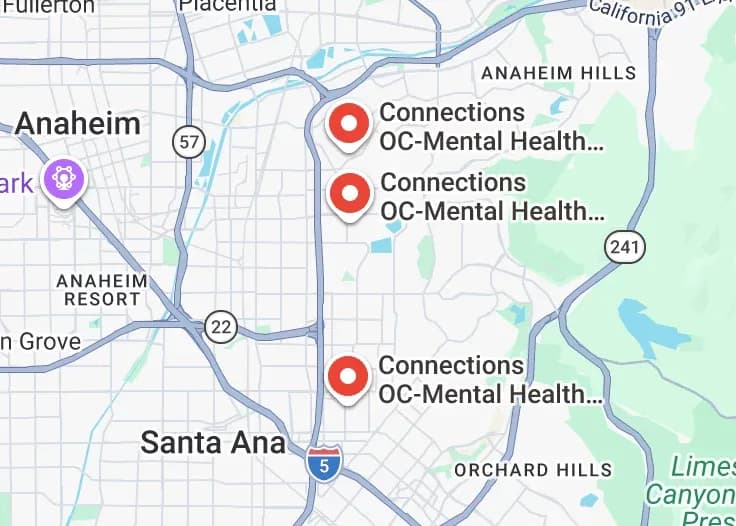
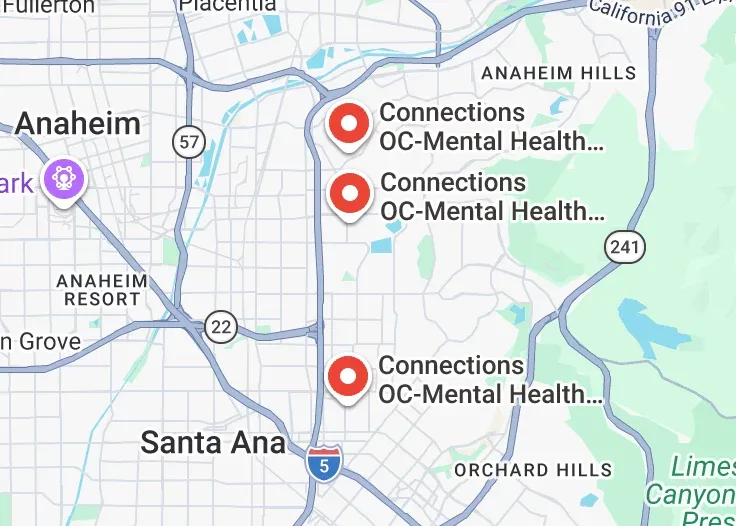
Connections Mental Health in Southern California is an ADHD specialist serving Orange County and Southern California.
Our team provides compassionate, evidence-based care for ADHD and other mental health conditions.
Our evidence-based treatments are grounded in the latest psychiatric science. You will benefit from 24/7 supervision, ensuring safety and comfort. With a compassionate-centered approach, we prioritize treating the individual, not just the symptoms. Our aim is to create a comforting environment resembling a home rather than a hospital, allowing healing in the tranquil beauty of Southern California.
Whether you or a loved one is struggling with ADHD, our support is here to help restore daily functioning and mental well-being. Experience compassionate treatment that combines scientifically-backed interventions with holistic therapies, taking a vital step towards a brighter future at Connections Mental Health.
Contact us today to explore our personalized treatment plans and begin your healing journey with Connections.
Related Blogs
Check out our addiction recovery blog to learn more about substance use disorders and how to get effective treatment.
Insurance may cover residential mental health treatment, but coverage depends heavily on your specific insurance plan, clinical needs, and how care is classified. In many
Hydromorphone, marketed under the brand names Dilaudid and Exalgo, is a potent semi-synthetic opioid pain reliever utilized in hospital settings and as a component of long-term treatment plans for individuals who are tolerant to opioids and experiencing severe pain.
Hydromorphone, marketed under the brand names Dilaudid and Exalgo, is a potent semi-synthetic opioid pain reliever utilized in hospital settings and as a component of long-term treatment plans for individuals who are tolerant to opioids and experiencing severe pain.
Hydromorphone, marketed under the brand names Dilaudid and Exalgo, is a potent semi-synthetic opioid pain reliever utilized in hospital settings and as a component of long-term treatment plans for individuals who are tolerant to opioids and experiencing severe pain.
Hydromorphone, marketed under the brand names Dilaudid and Exalgo, is a potent semi-synthetic opioid pain reliever utilized in hospital settings and as a component of long-term treatment plans for individuals who are tolerant to opioids and experiencing severe pain.
Hydromorphone, marketed under the brand names Dilaudid and Exalgo, is a potent semi-synthetic opioid pain reliever utilized in hospital settings and as a component of long-term treatment plans for individuals who are tolerant to opioids and experiencing severe pain.
We strive to provide a comfortable, home-like environment during your recovery journey. Browse our facility images below to take a look at our upscale residential facilities.