About Us

About Us

Effective residential inpatient mental health treatment.

Get to know us
Who We Are
  • Staff
  • Our Facilities
Resources
  • Blog
  • FAQ
  • Insurance Verification
  • Reviews
Areas We Serve

Why I should relocate for rehab?

Menu CTA Image
Locations

Locations

Choose from our beautiful locations near beaches & national parks.

888-255-2112
California
  • Orange County
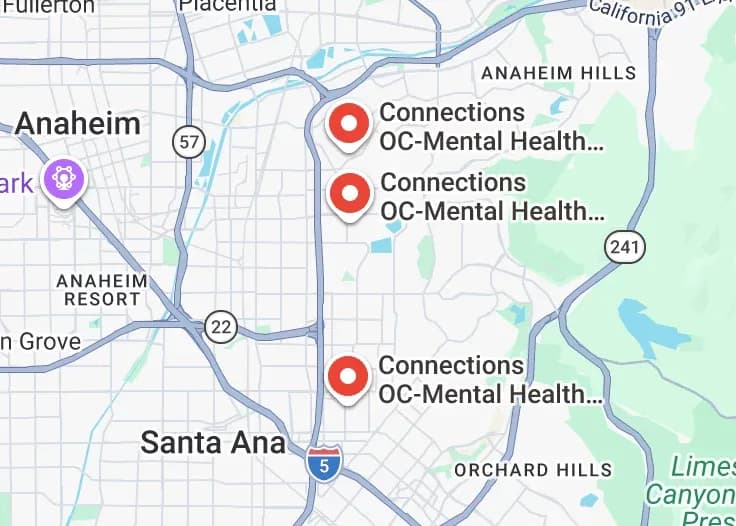
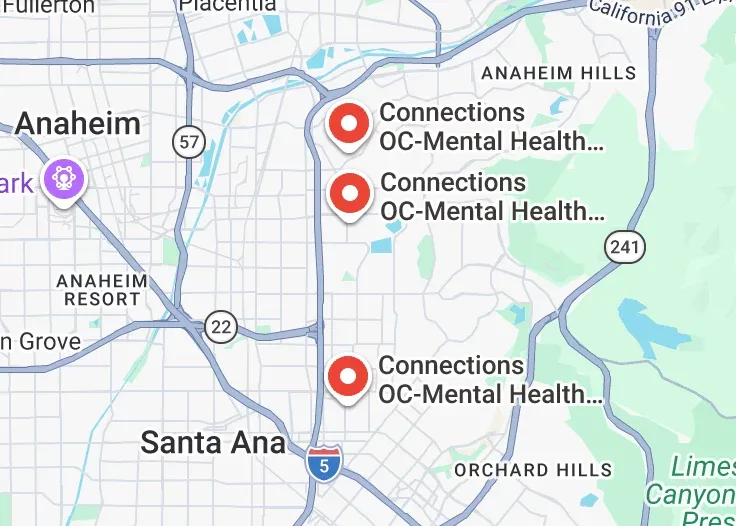
    Tustin, CATustin, CAVilla Park, CAVilla Park, CAOrange, CAOrange, CA
    Location Preview
Tustin, CATustin, CAVilla Park, CAVilla Park, CAOrange, CAOrange, CA
Location Preview
Tustin, CATustin, CAVilla Park, CAVilla Park, CAOrange, CAOrange, CA
Location Preview
Areas We Serve

Why I should relocate for rehab?

Menu CTA Image
Mental Health Disorders
Anxiety Disorders
  • Generalized Anxiety Disorder
  • Panic Disorder
  • Obsessive Compulsive Disorder
  • Social Anxiety Disorder
  • Agoraphobia
Mood Disorders
  • Depression Treatment (MentalHealth National)
  • Bipolar Disorder
  • Premenstrual Dysphoric Disorder
  • Disruptive Mood Dysregulation Disorder
  • Major Depressive Disorder
  • Persistent Depressive Disorder
  • Seasonal Affective Disorder
Trauma Disorders
  • Post Traumatic Stress Disorder
  • Adjustment Disorder
Personality Disorders
  • Borderline Personality Disorder
  • Antisocial Personality Disorder
  • Dissociative Identity Disorder
  • Histrionic Personality Disorder
  • Paranoid Personality Disorder
Psychotic Disorders
  • Schizophrenia
  • Schizoaffective Disorder
Neurodevelopment Disorder Treatment (MentalHealth National)
  • ADHD
Areas We Serve

Why I should relocate for rehab?

Menu CTA Image
Mental Health Treatment

Mental Health Treatment

Get dual-diagnosis treatment for SUD and mental health

888-255-2112
  • Cognitive Behavioral TherapyCognitive Behavioral Therapy
  • Dialectical Behavioral TherapyDialectical Behavioral Therapy
  • Seeking Safety TreatmentSeeking Safety Treatment
  • Motivational InterviewingMotivational Interviewing
  • Medication ManagementMedication Management
Areas We Serve

Why I should relocate for rehab?

Menu CTA Image
Contact
657-298-1982
657-298-1982
Skip to content
Inpatient Alcohol Rehab Treatment
Outpatient Alcohol Rehab Treatment

Premenstrual Dysphoric Disorder (PMDD)

Picture of Written By:
Written By:

Matthew D'Ursov

Picture of Content Manager:
Content Manager:

Amy Leifeste

Picture of Editor:
Editor:

Karena Mathis

We understand recovery, we can help
  • Personalized, Addiction Treatment
    Programs for Every Individual
  • Masters-level addiction therapists
  • Most major insurance accepted
Call Now! 844-759-0999
Verify Your Insurance

Table of Contents

Premenstrual dysphoric disorder (PMDD) is a severe form of PMS (premenstrual syndrome). While both PMS and PMDD involve physical and emotional symptoms, PMDD specifically leads to intense mood swings that can significantly impact daily functioning and relationships.

This guide addresses the following key issues:

  • What is premenstrual dysphoric disorder (PMDD)?
  • PMDD vs PMS: what’s the difference?
  • Is there a PMDD test?
  • Which PMDD medication is most effective?
  • PMDD diagnosis and PMDD treatment in Southern California.

Get Personalized Addiction Care at The Connections Mental Health

Our rehab centers help men and women who are struggling with addictions, substance abuse and mental health disorders. We also provide treatment exclusively to International Association of Fire Fighters (IAFF) members at our Maryland facility, the IAFF Center of Excellence for Behavioral Health Treatment and Recovery.

Find a Location
See Our Admissions Process
Read Our Success Stories

woman sitting woman representing what is premenstrual dysphoric disorder

What is PMDD?

PMDD (premenstrual dysphoric disorder) is a more severe form of PMS that triggers physical and emotional symptoms in the two weeks preceding menstruation. PMS includes symptoms like bloating, headaches, and breast tenderness.

With PMDD, in addition to typical PMS symptoms, extreme irritability, anxiety, or depression may occur. Although these symptoms often improve after the period starts, they can be severe enough to disrupt daily life.

PMDD affects up to 10% of women or individuals AFAB (assigned female at birth) of reproductive age.

woman hugs her knees representing symptoms of pmdd

Symptoms of PMDD

Symptoms of PMDD vary considerably in presentation depending on each individual person. However, there are common symptoms that can help identify PMDD. Symptoms can include:

  • Psychological Symptoms
  • Physical Symptoms
  • Respiratory Symptoms
  • Gastrointestinal Symptoms
  • Pelvic and Back Symptoms
  • Skin and neurovascular symptoms
  • & Other PMDD symptoms

Remember: premenstrual dysphoric disorder symptoms may resemble other conditions or medical problems like thyroid disorders, depression, or anxiety disorders. If you experience these symptoms, consulting a healthcare provider is essential for an accurate diagnosis.

Click through the drop-down sections below to learn more about each symptom.

Psychological PMDD Symptoms

Anger, Agitation, Irritability, Anxiety, Extreme fatigue, Depression, Difficulty in concentrating, Insomnia, Lack of control, Nervousness, Trouble sleeping, Moodiness, Crying spells, Emotional sensitivity, Paranoia, Poor self-image, Forgetfulness, Confusion

Physical PMDD Symptoms

Fluid retention, Swelling of the hands, ankles, and feet, Reduced urine output, Periodic weight gain, Breast pain

Respiratory PMDD Symptoms

Infections, Allergies, Vision changes, Eye infection

Gastrointestinal Symptoms

Bloating, Abdominal cramps, Nausea, Constipation, Vomiting

Pelvic and Back Symptoms

Pelvic pressure or heaviness, Backache

Skin and Neurovascular Symptoms

Acne, Skin inflammation, Itching, Aggravation of other skin disorders like cold sores, Fainting, Dizziness, Headaches, Heightened sensitivity of legs and arms, Easy bruising, Muscle spasms, Heart palpitations

Other PMDD Symptoms

Hot flashes, Food cravings, Appetite changes, Diminished sex drive, Painful menstruation, Decreased coordination

What is Having PMDD Like?

Having PMDD can be an incredibly challenging and distressing experience for individuals during the luteal phase of their menstrual cycle. The symptoms occur after ovulation and improve within a few days after menstruation starts, being minimal or absent in the week following menstruation.

The emotional symptoms of PMDD may include severe mood swings, depression, irritability, agitation, anxiety, and feelings of uneasiness. Individuals may also experience changes in appetite, severe fatigue, insomnia or hypersomnia, and emotional changes that can lead to decreased interest in usual social activities and reduced interest in sexual activity. Physical symptoms can manifest as swelling, bruising, breast tenderness, heart palpitations, tachycardia, and difficulty in concentration.

The impact of PMDD on a person’s life can be profound, leading to significant distress or impairment. The symptoms can disrupt daily activities, social interactions, and work responsibilities, making it challenging for individuals to function normally during this phase of their menstrual cycle. The severity and persistence of symptoms can vary from person to person, and the pattern of symptoms may change over time.

To treat PMDD, an accurate diagnosis is vital. This involves identifying consistent patterns of physical and emotional symptoms that present after ovulation and before menstruation, to the extent that it disrupts daily functioning. To be diagnosed with PMDD, at least five of the symptoms outlined in the diagnostic criteria of DSM-5-TR (Diagnostic and Statistical Manual of Mental Disorders) must present.

Premenstrual dysphoric disorder treatment may involve premenstrual dysphoric disorder medication, counseling, lifestyle changes, or a combination of these approaches. SSRIs (selective serotonin reuptake inhibitor antidepressants) are often prescribed as the first-line treatment for PMDD, along with hormonal therapy using oral contraceptives containing drospirenone and CBT (cognitive-behavioral therapy). Proper management and support can help individuals cope with PMDD symptoms and improving their overall well-being.

Treatment for Eating Disorders

Effective eating disorder treatments involve a multidisciplinary team of healthcare professionals, including psychiatrists, psychologists, dietitians, and medical doctors. Each member of the team plays a critical role in addressing the various aspects of the disorder and providing comprehensive care.

Psychotherapy – especially CBT (cognitive behavioral therapy) – is a cornerstone of eating disorder treatment. CBT helps individuals identify and change distorted thought patterns and behaviors related to food, body image, and weight. It also helps people tackle any underlying emotional issues that may contribute to the development and maintenance of the eating disorder.

Nutritional counseling is a key component of eating disorder therapy. A registered dietitian works closely with individuals to develop a balanced and sustainable meal plan tailored to their specific needs. Nutritional counseling aims to restore a healthy relationship with food and promote overall physical well-being.

Medical management is beneficial, especially for individuals with severe eating disorders or those experiencing medical complications. Medical doctors monitor physical health, deal with any nutritional deficiencies, and manage any co-occurring medical conditions.

Group therapy provides a supportive environment where individuals with eating disorders can connect with others who have lived experience of similar challenges. Sharing experiences, concerns, and successes in a group setting promotes a sense of community and reduces feelings of isolation.

FBT (family-based therapy) is an evidence-based approach primarily used for adolescents with eating disorders. It involves family members in the treatment process and aims to empower them to support the individual’s recovery. FBT focuses on restoring healthy eating habits and facilitating open communication within the family.

In some cases, medication may be prescribed to address co-occurring mental health conditions like depression or anxiety which often accompany eating disorders. Medication can be a helpful adjunct to psychotherapy and other therapeutic interventions.

In addition to traditional treatments, holistic therapies like yoga, art therapy, mindfulness, and meditation may complement the recovery process. These therapies can help individuals develop coping skills, reduce stress, and improve overall well-being.

Eating disorder treatment is a journey that requires ongoing support. A comprehensive treatment program should include a continuum of care, starting with inpatient or residential care, followed by intensive outpatient treatment, and eventually transitioning to outpatient care and aftercare support. Every individual’s experience with an eating disorder is unique, and a one-size-fits-all approach does not work. Effective treatment programs develop individualized treatment plans tailored to each person’s specific needs, challenges, and goals.

PMDD FAQ

What causes PMDD?

The exact cause of PMDD is not fully understood, but it is believed to be related to sensitivity to changes in hormone levels during the menstrual cycle.

Is PMDD a mental health disorder?

Yes, PMDD is considered a mental health disorder as it involves not only physical symptoms but also mental health symptoms like depression, anxiety, and suicidal feelings.

Who can diagnose PMDD?

PMDD can be diagnosed by healthcare professionals, including doctors, psychiatrists, or gynecologists, based on symptoms and medical history.

How do I know if I have PMDD?

Track emotional and physical symptoms for at least two menstrual cycles and consult a healthcare professional for evaluation.

What triggers PMDD?

PMDD can be triggered by hormonal changes during the menstrual cycle, as well as factors such as genetics, smoking, and stress.

Is PMDD a form of bipolar?

No, PMDD is not a form of bipolar disorder. It is a distinct condition, although it may share some mood-related symptoms.

What is the best mood stabilizer for PMDD?

The best treatment varies by individual. Mood stabilizers or other medications should only be chosen by a healthcare professional based on symptoms and history.

an image of women who got treatment for pmdd

Get Treatment for PMDD at Connections Mental Health

We offer treatment for premenstrual dysphoric disorder and all types of mental health conditions at Connections Mental Health in Southern California.

Our core aim is to provide those seeking stability from mental health issues with an inclusive, serene, and welcoming home-from-home. Here, we deliver cutting-edge premenstrual dysphoric disorder treatments that blend science-backed and holistic interventions.

Take advantage of a team of experts committed to your healing, with at least two staff members present at all times and around-the-clock supervision for your safety and well-being.

When you are ready to move beyond a life constrained by PMDD, access compassionate-first treatment at Connections Mental Health. Call us today at 888-255-2112 to find out more about our individualized treatment plans for premenstrual dysphoric disorder and other mental health disorders.

Related Blogs

Check out our addiction recovery blog to learn more about substance use disorders and how to get effective treatment.

Does Insurance Cover Residential Mental Health Treatment?

Insurance may cover residential mental health treatment, but coverage depends heavily on your specific insurance plan, clinical needs, and how care is classified. In many

Why Do I Feel Like Everyone Hates Me?

Hydromorphone, marketed under the brand names Dilaudid and Exalgo, is a potent semi-synthetic opioid pain reliever utilized in hospital settings and as a component of long-term treatment plans for individuals who are tolerant to opioids and experiencing severe pain.

Overstimulated Meaning

Hydromorphone, marketed under the brand names Dilaudid and Exalgo, is a potent semi-synthetic opioid pain reliever utilized in hospital settings and as a component of long-term treatment plans for individuals who are tolerant to opioids and experiencing severe pain.

What to Expect During Inpatient Mental Health Stay

Hydromorphone, marketed under the brand names Dilaudid and Exalgo, is a potent semi-synthetic opioid pain reliever utilized in hospital settings and as a component of long-term treatment plans for individuals who are tolerant to opioids and experiencing severe pain.

Residential vs Inpatient Mental Health Treatment

Hydromorphone, marketed under the brand names Dilaudid and Exalgo, is a potent semi-synthetic opioid pain reliever utilized in hospital settings and as a component of long-term treatment plans for individuals who are tolerant to opioids and experiencing severe pain.

can I check myself into a mental hospital

Hydromorphone, marketed under the brand names Dilaudid and Exalgo, is a potent semi-synthetic opioid pain reliever utilized in hospital settings and as a component of long-term treatment plans for individuals who are tolerant to opioids and experiencing severe pain.
View Other Topics

What Our Clients Say

5 Star Google Reviews

Where You’ll Be Staying

We strive to provide a comfortable, home-like environment during your recovery journey. Browse our facility images below to take a look at our upscale residential facilities.


Tour Our Facilities
rectangle-250-1-68b941b299489.webp
rectangle-251-1-1-68b941b47d396.webp
rectangle-250-2-68b941b9428a8.webp
rectangle-251-2-68b941bad8a4b.webp
Tour Our Facilities

Paying Out Of Pocket without Insurance

Range $5,000 to $60,000

If you can’t pay your co-pay amount

Call us we will work with you

Paying Out Of Pocket with Insurance

Range $0 to $12,000

(Depending on insurance plan)

We Accept Most Major Insurance

View our wide selection of accepted providers. Don’t see yours? Call our admissions team for help.

844-759-0999
Verify Insurance

Related Pages

Best Residential Outpatient Rehab Mental Health Centers in the Country

Best Residential IOP Rehab Mental Health Centers in the Country

Best Residential Inpatient Rehab Mental Health Centers in the Country

Best Residential Addiction Therapists Counselors Rehab Mental Health Centers in the Country

California Depression Treatment (Residential Mental Health Treatment Centers)

California Bipolar Disorder Treatment (Residential Mental Health Treatment Centers)

California Neurodevelopment Disorder Treatment (Residential Mental Health Treatment Centers)

California Eating Disorders Treatment (Residential Mental Health Treatment Centers)

California Psychotic Disorders Treatment (Residential Mental Health Treatment Centers)

California Personality Disorders Treatment (Residential Mental Health Treatment Centers)

California PTSD Treatment (Residential Mental Health Treatment Centers)

California Inpatient Trauma Disorder Treatment (Residential Mental Health Treatment Centers)

California Inpatient PTSD Treatment (Residential Mental Health Treatment Centers)

California Trauma Disorder Treatment (Residential Mental Health Treatment Centers)

California IOP Rehab (Residential Mental Health Treatment Centers)

California EMDR Therapy (Residential Mental Health Treatment Centers)

California Inpatient Obsessive Compulsive Disorde Treatment (Residential Mental Health Treatment Centers)

California Anxiety Disorders Treatment (Residential Mental Health Treatment Centers)

California Outpatient Rehab (Residential Mental Health Treatment Centers)

California Inpatient Rehab (Residential Mental Health Treatment Centers)

California DBT Therapy (Residential Mental Health Treatment Centers)

California Cognitive Behavioral Therapy Therapy (Residential Mental Health Treatment Centers)

California Talk Therapy (Residential Mental Health Treatment Centers)

California Addiction Therapists Counselors Rehab (Residential Mental Health Treatment Centers)

Outpatient Rehab near Yorba Linda (Residential Mental Health Treatment Centers)

Outpatient Rehab near Westminster (Residential Mental Health Treatment Centers)

Villa Park Outpatient Rehab (Residential Mental Health Treatment Centers)

Tustin Outpatient Rehab (Residential Mental Health Treatment Centers)

Outpatient Rehab near Stanton (Residential Mental Health Treatment Centers)

Outpatient Rehab near Seal Beach (Residential Mental Health Treatment Centers)

Outpatient Rehab near Santa Ana (Residential Mental Health Treatment Centers)

Outpatient Rehab near San Juan Capistrano (Residential Mental Health Treatment Centers)

Does Insurance Cover Residential Mental Health Treatment?

What Is the Goal of Therapy?

Why Do I Feel Like Everyone Hates Me? Tips & What to Do

What Are Common Signs of Overstimulation in Adults?

What to Expect at an Inpatient Behavioral Health Hospital

Residential vs. Inpatient Mental Health Treatment

You’re Not Alone.

Get treatment from a team of expert staff who is passionate about helping you experience peace.

Call Now
an image of the Connections Mental Health logo

Tustin
DHCS # MHBL240478
Exp 1/10/27

Joint Commission HCO ID: 690880
Effective Date: 3/8/2025

Villa Park
DHCS #MHBL240509
Exp 9/4/26

Joint Commission HCO ID: 690880
Effective Date: 3/8/2025

Orange
DHCS #MHBT260570
Exp 4/8/27

Joint Commission HCO ID: 690880
Effective Date: 3/8/2025

  • 17811 Bigelow Park, Tustin, CA 92780
  • 17841 Lincoln St Villa Park, CA 92861
  • 2403 N Shady Forest Ln Orange, CA 92867
  • Privacy Policy
  • Sitemap
About Us

About Us

Effective residential inpatient mental health treatment.

Get to know us
Who We Are
  • Staff
  • Our Facilities
Resources
  • Blog
  • FAQ
  • Insurance Verification
  • Reviews
Areas We Serve

Why I should relocate for rehab?

Menu CTA Image
Locations

Locations

Choose from our beautiful locations near beaches & national parks.

888-255-2112
California
  • Orange County
    Tustin, CATustin, CAVilla Park, CAVilla Park, CAOrange, CAOrange, CA
    Location Preview
Tustin, CATustin, CAVilla Park, CAVilla Park, CAOrange, CAOrange, CA
Location Preview
Tustin, CATustin, CAVilla Park, CAVilla Park, CAOrange, CAOrange, CA
Location Preview
Areas We Serve

Why I should relocate for rehab?

Menu CTA Image
Mental Health Disorders
Anxiety Disorders
  • Generalized Anxiety Disorder
  • Panic Disorder
  • Obsessive Compulsive Disorder
  • Social Anxiety Disorder
  • Agoraphobia
Mood Disorders
  • Depression Treatment (MentalHealth National)
  • Bipolar Disorder
  • Premenstrual Dysphoric Disorder
  • Disruptive Mood Dysregulation Disorder
  • Major Depressive Disorder
  • Persistent Depressive Disorder
  • Seasonal Affective Disorder
Trauma Disorders
  • Post Traumatic Stress Disorder
  • Adjustment Disorder
Personality Disorders
  • Borderline Personality Disorder
  • Antisocial Personality Disorder
  • Dissociative Identity Disorder
  • Histrionic Personality Disorder
  • Paranoid Personality Disorder
Psychotic Disorders
  • Schizophrenia
  • Schizoaffective Disorder
Neurodevelopment Disorder Treatment (MentalHealth National)
  • ADHD
Areas We Serve

Why I should relocate for rehab?

Menu CTA Image
Mental Health Treatment

Mental Health Treatment

Get dual-diagnosis treatment for SUD and mental health

888-255-2112
  • Cognitive Behavioral TherapyCognitive Behavioral Therapy
  • Dialectical Behavioral TherapyDialectical Behavioral Therapy
  • Seeking Safety TreatmentSeeking Safety Treatment
  • Motivational InterviewingMotivational Interviewing
  • Medication ManagementMedication Management
Areas We Serve

Why I should relocate for rehab?

Menu CTA Image
Contact
Verify Insurance
Call Now

Where Lasting Mental Health Treatment Truly Begins

Connect with our compassionate clinicians to get a personalized mental health treatment plan designed around your needs.
844-759-0999

Learn more about the individual mental health disorders we treat by clicking a button below.

Schizophrenia Disorder
Schizoaffective Disorder
Premenstrual Disphoric Disorder (PMDD)
Cyclothymia
Hypomania
Major Depressive Disorder (MDD)
Disruptive Mood Disregulation Disorder (DMDD)Disorder
Persistent Depressive Disorder (PDD)
ADHD
Social Anxiety Disorder
Major Depressive Disorder (MDD)
Disruptive Mood Disregulation Disorder (DMDD)Disorder
Persistent Depressive Disorder (PDD)
ADHD
Social Anxiety Disorder
Autism Spectrum Disorder (ASD)
Generalized Anxiety Disorder
Social Anxiety Disorder
Agoraphobia
Separation Anxiety Disorder
Dissociative Panic Disorder
Antisocial Personality Disorder
Paranoid Personality Disorder
Adjustment Disorder
Borderline Personality Disorder
USERJOURNEYGUIDE
Website GuideHand-picked pages that help our visitors
0 of 11 visited
  • 1Protect your job while you come to treatment+ Recommended next step
  • 2Can Insurance cover rehab treatment?
  • 3Why Traveling or Staying Close to home can both be great options.
  • 4Locations & Galleries
  • 5Staff page
  • 6Reviews
  • 7What to bring to treatment
  • 8Treatment & Therapies we provide
  • 9Admissions Process
  • 10Contact Us
  • 11Residential Inpatient vs Hospital Inpatient