



About Us

About Us

Effective residential inpatient mental health treatment.

Get to know us
Who We Are
  • Staff
  • Our Facilities
Resources
  • Blog
  • FAQ
  • Insurance Verification
  • Reviews
Areas We Serve

Why I should relocate for rehab?

Menu CTA Image
Locations

Locations

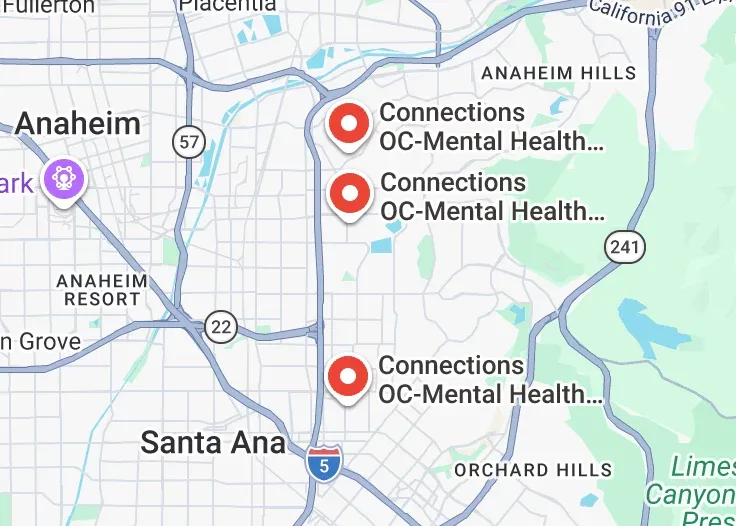
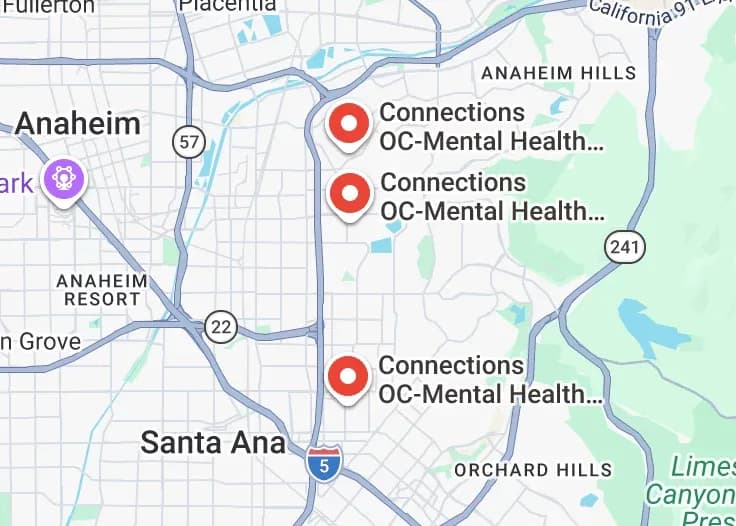
Choose from our beautiful locations near beaches & national parks.

888-255-2112
California
  • Orange County
    Tustin, CATustin, CAVilla Park, CAVilla Park, CAOrange, CAOrange, CA
    Location Preview
Tustin, CATustin, CAVilla Park, CAVilla Park, CAOrange, CAOrange, CA
Location Preview
Tustin, CATustin, CAVilla Park, CAVilla Park, CAOrange, CAOrange, CA
Location Preview
Areas We Serve

Why I should relocate for rehab?

Menu CTA Image
Mental Health Disorders
Anxiety Disorders
  • Generalized Anxiety Disorder
  • Panic Disorder
  • Obsessive Compulsive Disorder
  • Social Anxiety Disorder
  • Agoraphobia
Mood Disorders
  • Depression Treatment (MentalHealth National)
  • Bipolar Disorder
  • Premenstrual Dysphoric Disorder
  • Disruptive Mood Dysregulation Disorder
  • Major Depressive Disorder
  • Persistent Depressive Disorder
  • Seasonal Affective Disorder
Trauma Disorders
  • Post Traumatic Stress Disorder
  • Adjustment Disorder
Personality Disorders
  • Borderline Personality Disorder
  • Antisocial Personality Disorder
  • Dissociative Identity Disorder
  • Histrionic Personality Disorder
  • Paranoid Personality Disorder
Psychotic Disorders
  • Schizophrenia
  • Schizoaffective Disorder
Neurodevelopment Disorder Treatment (MentalHealth National)
  • ADHD
Areas We Serve

Why I should relocate for rehab?

Menu CTA Image
Mental Health Treatment

Mental Health Treatment

Get dual-diagnosis treatment for SUD and mental health

888-255-2112
  • Cognitive Behavioral TherapyCognitive Behavioral Therapy
  • Dialectical Behavioral TherapyDialectical Behavioral Therapy
  • Seeking Safety TreatmentSeeking Safety Treatment
  • Motivational InterviewingMotivational Interviewing
  • Medication ManagementMedication Management
Areas We Serve

Why I should relocate for rehab?

Menu CTA Image
Contact
657-298-1982
657-298-1982
Skip to content
Inpatient Alcohol Rehab Treatment
Outpatient Alcohol Rehab Treatment

Persistent Depressive Disorder (PDD)

Picture of Written By:
Written By:

Matthew D'Ursov

Picture of Content Manager:
Content Manager:

Amy Leifeste

Picture of Editor:
Editor:

Karena Mathis

We understand recovery, we can help
  • Personalized, Addiction Treatment
    Programs for Every Individual
  • Masters-level addiction therapists
  • Most major insurance accepted
Call Now! 844-759-0999
Verify Your Insurance

Table of Contents

Persistent depressive disorder (PDD) is characterized by continuous, long-term feelings of sadness and emptiness, accompanied by a loss of interest in daily activities and difficulty accomplishing tasks. Individuals with this disorder may experience low self-esteem, a sense of failure, and hopelessness, lasting for years and impacting relationships, school, work, and daily life.

Given the long-term nature of this condition, coping with depression symptoms can be challenging. That said, a combination of talk therapy and persistent depressive disorder medication has shown to be effective in treating persistent depressive disorder. Read on to discover:

  • What is persistent depressive disorder?
  • Persistent depressive disorder vs major depressive disorder: what’s the difference?
  • Is there medication for persistent depressive disorder?
  • What are the most effective persistent depressive disorder treatments?

Get Personalized Addiction Care at The Connections Mental Health

Our rehab centers help men and women who are struggling with addictions, substance abuse and mental health disorders. We also provide treatment exclusively to International Association of Fire Fighters (IAFF) members at our Maryland facility, the IAFF Center of Excellence for Behavioral Health Treatment and Recovery.

Find a Location
See Our Admissions Process
Read Our Success Stories

What is Persistent Depressive Disorder?

PDD (persistent depressive disorder) is classified as a chronic form of depression, consolidating the previous diagnoses of dysthymia and chronic major depressive disorder.

Individuals with PDD may encounter profound feelings of sadness and hopelessness, a common experience across various types of depression. However, in PDD, these symptoms can endure for an extended duration.

Given the persistent nature of these symptoms, PDD has the potential to disrupt academic, professional, and personal life. Nevertheless, a combination of medication and therapy has proven to be effective in managing PDD.

woman representing mental health condition

Symptoms of Persistent Depressive Disorder

Persistent depressive disorder is associated with a range of symptoms that may significantly impact emotional well-being and daily functioning. DSM-5 symptoms are outlined in DSM-5-TR (Diagnostic and Statistical Manual of Mental Disorders).

Persistent depressive disorder DSM-5 symptoms include:

Chronic low mood

Individuals with PDD experience a pervasive, long-lasting low mood, which may persist for most of the day and nearly every day.

Loss of interest

A key symptom of PDD is the loss of interest or pleasure in activities that were once enjoyable. Hobbies, social interactions, and other previously fulfilling activities may become unappealing.

Fatigue and low energy

PDD can lead to persistent fatigue and a lack of energy, making even simple tasks feel overwhelming and challenging.

Changes in appetite or weight

People with PDD may experience significant changes in their appetite, leading to weight loss or weight gain.

Sleep disturbances

Insomnia or excessive sleeping are common sleep disturbances associated with PDD, further inflaming feelings of exhaustion and impacting daily routines.

Feelings of hopelessness

PDD often brings a pervasive sense of hopelessness, making it challenging to see a positive future or believe that things will improve.

Low self-esteem

Individuals with PDD may have a negative view of themselves, feeling unworthy, incompetent, or undeserving.

Difficulty concentrating

PDD can impair cognitive function, leading to difficulties in concentrating, making decisions, and retaining information.

Social withdrawal

People with PDD may withdraw from social interactions, preferring isolation over engaging with others.

Suicidal thoughts

In severe cases, PDD may lead to recurrent thoughts of death or suicide, calling for immediate professional intervention and support.

person in therapy session

Treating Persistent Depressive Disorder

Effective persistent depressive disorder treatment involves a comprehensive approach that combines medication, psychotherapy, and lifestyle changes. The goal is to alleviate symptoms, improve coping skills, and enhance overall well-being.

Antidepressant medications like SSRIs (selective serotonin reuptake inhibitors) or SNRIs (serotonin-norepinephrine reuptake inhibitors) are often prescribed to help regulate mood and manage symptoms of PDD.

CBT (cognitive behavioral therapy) and other forms of talk therapy can be highly beneficial in addressing negative thought patterns, identifying triggers, and developing healthy coping mechanisms.

Group therapy or support groups can provide a valuable network of individuals going through similar experiences, promoting a sense of belonging and understanding.

Engaging in regular exercise, maintaining a balanced diet, and incorporating stress-reduction techniques like mindfulness and meditation can complement formal treatment and improve overall well-being.

Consistent follow-ups with mental health professionals are essential to monitor progress, adjust treatment plans as needed, and ensure ongoing support.

In cases where an individual experiences suicidal thoughts or self-harming behaviors, safety planning and crisis intervention should be implemented immediately.

By combining these various approaches, individuals with persistent depressive disorder can gain control over their symptoms, find effective coping mechanisms, and work towards a more fulfilling and balanced life. It is always advisable to consult with a qualified mental health professional to determine the most suitable treatment plan tailored to each individual’s needs.

  • SSRIs (Selective Serotonin Reuptake Inhibitors)
  • SNRIs (Serotonin-Norepinephrine Reuptake Inhibitors)
  • Cognitive Behavioral Therapy (CBT)
  • Group therapy and support groups
  • Exercise, diet, and lifestyle changes
  • Mindfulness and stress management
  • Regular psychiatric follow-ups

FAQs

What are the two types of dysthymia?

The two types of dysthymia are early-onset dysthymia, which starts in childhood or adolescence, and late-onset dysthymia, which begins in adulthood. Both types share the same symptoms but differ in age of onset.

How long does PDD last?

PDD can last for at least two years, although in many cases the symptoms persist for much longer, and some individuals may experience PDD for decades.

Can a person with PDD live a normal life?

Yes, with appropriate treatment and support, individuals with PDD can lead fulfilling lives. Proper management through a combination of medication, therapy, and lifestyle changes can significantly improve the long-term outlook.

What does PDD look like?

PDD may present as a continuous low mood, feelings of hopelessness, changes in appetite and sleep patterns, fatigue, low self-esteem, and difficulty concentrating. These symptoms can persist for extended periods and affect daily functioning.

What is the difference between typical depression and PDD?

Depressive disorder refers to a broad category of mood disorders that includes various types of depression, while persistent depressive disorder specifically refers to a chronic form of depression lasting for at least 2 years.

Get Treatment for Persistent Depressive Disorder at Connections Mental Health

At Connections Mental Health in Southern California, we provide personalized and compassionate treatment for persistent depressive disorder in a safe and supportive environment designed for healing and stability.

Our treatments are evidence-based with professional supervision to ensure safety and effective care.

We help individuals restore daily functioning and improve mental health through clinical and holistic approaches.

Contact us today at 888-255-2112 to learn more about personalized treatment plans and begin your recovery journey.


clients receiving treatment for persistent depressive disorder

Related Blogs

Check out our addiction recovery blog to learn more about substance use disorders and how to get effective treatment.

Does Insurance Cover Residential Mental Health Treatment?

Insurance may cover residential mental health treatment, but coverage depends heavily on your specific insurance plan, clinical needs, and how care is classified. In many

Why Do I Feel Like Everyone Hates Me?

Hydromorphone, marketed under the brand names Dilaudid and Exalgo, is a potent semi-synthetic opioid pain reliever utilized in hospital settings and as a component of long-term treatment plans for individuals who are tolerant to opioids and experiencing severe pain.

Overstimulated Meaning

Hydromorphone, marketed under the brand names Dilaudid and Exalgo, is a potent semi-synthetic opioid pain reliever utilized in hospital settings and as a component of long-term treatment plans for individuals who are tolerant to opioids and experiencing severe pain.

What to Expect During Inpatient Mental Health Stay

Hydromorphone, marketed under the brand names Dilaudid and Exalgo, is a potent semi-synthetic opioid pain reliever utilized in hospital settings and as a component of long-term treatment plans for individuals who are tolerant to opioids and experiencing severe pain.

Residential vs Inpatient Mental Health Treatment

Hydromorphone, marketed under the brand names Dilaudid and Exalgo, is a potent semi-synthetic opioid pain reliever utilized in hospital settings and as a component of long-term treatment plans for individuals who are tolerant to opioids and experiencing severe pain.

can I check myself into a mental hospital

Hydromorphone, marketed under the brand names Dilaudid and Exalgo, is a potent semi-synthetic opioid pain reliever utilized in hospital settings and as a component of long-term treatment plans for individuals who are tolerant to opioids and experiencing severe pain.
View Other Topics

What Our Clients Say

5 Star Google Reviews

Where You’ll Be Staying

We strive to provide a comfortable, home-like environment during your recovery journey. Browse our facility images below to take a look at our upscale residential facilities.

Tour Our Facilities
rectangle-250-1-68b941b299489.webp
rectangle-251-1-1-68b941b47d396.webp
rectangle-250-2-68b941b9428a8.webp
rectangle-251-2-68b941bad8a4b.webp
Tour Our Facilities

Paying Out Of Pocket without Insurance

Range $5,000 to $60,000

If you can’t pay your co-pay amount

Call us we will work with you

Paying Out Of Pocket with Insurance

Range $0 to $12,000

(Depending on insurance plan)

We Accept Most Major Insurance

View our wide selection of accepted providers. Don’t see yours? Call our admissions team for help.

844-759-0999
Verify Insurance

Related Pages

You’re Not Alone.

Get treatment from a team of expert staff who is passionate about helping you experience peace.

Call Now
an image of the Connections Mental Health logo

Tustin
DHCS # MHBL240478
Exp 1/10/27

Joint Commission HCO ID: 690880
Effective Date: 3/8/2025

Villa Park
DHCS #MHBL240509
Exp 9/4/26

Joint Commission HCO ID: 690880
Effective Date: 3/8/2025

Orange
DHCS #MHBT260570
Exp 4/8/27

Joint Commission HCO ID: 690880
Effective Date: 3/8/2025

  • 17811 Bigelow Park, Tustin, CA 92780
  • 17841 Lincoln St Villa Park, CA 92861
  • 2403 N Shady Forest Ln Orange, CA 92867
  • Privacy Policy
  • Sitemap
About Us

About Us

Effective residential inpatient mental health treatment.

Get to know us
Who We Are
  • Staff
  • Our Facilities
Resources
  • Blog
  • FAQ
  • Insurance Verification
  • Reviews
Areas We Serve

Why I should relocate for rehab?

Menu CTA Image
Locations

Locations

Choose from our beautiful locations near beaches & national parks.

888-255-2112
California
  • Orange County
    Tustin, CATustin, CAVilla Park, CAVilla Park, CAOrange, CAOrange, CA
    Location Preview
Tustin, CATustin, CAVilla Park, CAVilla Park, CAOrange, CAOrange, CA
Location Preview
Tustin, CATustin, CAVilla Park, CAVilla Park, CAOrange, CAOrange, CA
Location Preview
Areas We Serve

Why I should relocate for rehab?

Menu CTA Image
Mental Health Disorders
Anxiety Disorders
  • Generalized Anxiety Disorder
  • Panic Disorder
  • Obsessive Compulsive Disorder
  • Social Anxiety Disorder
  • Agoraphobia
Mood Disorders
  • Depression Treatment (MentalHealth National)
  • Bipolar Disorder
  • Premenstrual Dysphoric Disorder
  • Disruptive Mood Dysregulation Disorder
  • Major Depressive Disorder
  • Persistent Depressive Disorder
  • Seasonal Affective Disorder
Trauma Disorders
  • Post Traumatic Stress Disorder
  • Adjustment Disorder
Personality Disorders
  • Borderline Personality Disorder
  • Antisocial Personality Disorder
  • Dissociative Identity Disorder
  • Histrionic Personality Disorder
  • Paranoid Personality Disorder
Psychotic Disorders
  • Schizophrenia
  • Schizoaffective Disorder
Neurodevelopment Disorder Treatment (MentalHealth National)
  • ADHD
Areas We Serve

Why I should relocate for rehab?

Menu CTA Image
Mental Health Treatment

Mental Health Treatment

Get dual-diagnosis treatment for SUD and mental health

888-255-2112
  • Cognitive Behavioral TherapyCognitive Behavioral Therapy
  • Dialectical Behavioral TherapyDialectical Behavioral Therapy
  • Seeking Safety TreatmentSeeking Safety Treatment
  • Motivational InterviewingMotivational Interviewing
  • Medication ManagementMedication Management
Areas We Serve

Why I should relocate for rehab?

Menu CTA Image
Contact
Verify Insurance
Call Now

Where Lasting Mental Health Treatment Truly Begins

Connect with our compassionate clinicians to get a personalized mental health treatment plan designed around your needs.
844-759-0999

Learn more about the individual mental health disorders we treat by clicking a button below.

Schizophrenia Disorder
Schizoaffective Disorder
Premenstrual Disphoric Disorder (PMDD)
Cyclothymia
Hypomania
Major Depressive Disorder (MDD)
Disruptive Mood Disregulation Disorder (DMDD)Disorder
Persistent Depressive Disorder (PDD)
ADHD
Social Anxiety Disorder
Major Depressive Disorder (MDD)
Disruptive Mood Disregulation Disorder (DMDD)Disorder
Persistent Depressive Disorder (PDD)
ADHD
Social Anxiety Disorder
Autism Spectrum Disorder (ASD)
Generalized Anxiety Disorder
Social Anxiety Disorder
Agoraphobia
Separation Anxiety Disorder
Dissociative Panic Disorder
Antisocial Personality Disorder
Paranoid Personality Disorder
Adjustment Disorder
Borderline Personality Disorder
USERJOURNEYGUIDE
Website GuideHand-picked pages that help our visitors
0 of 11 visited
  • 1Protect your job while you come to treatment+ Recommended next step
  • 2Can Insurance cover rehab treatment?
  • 3Why Traveling or Staying Close to home can both be great options.
  • 4Locations & Galleries
  • 5Staff page
  • 6Reviews
  • 7What to bring to treatment
  • 8Treatment & Therapies we provide
  • 9Admissions Process
  • 10Contact Us
  • 11Residential Inpatient vs Hospital Inpatient