About Us

About Us

Effective residential inpatient mental health treatment.

Get to know us
Who We Are
  • Staff
  • Our Facilities
Resources
  • Blog
  • FAQ
  • Insurance Verification
  • Reviews
Areas We Serve

Why I should relocate for rehab?

Menu CTA Image
Locations

Locations

Choose from our beautiful locations near beaches & national parks.

888-255-2112
California
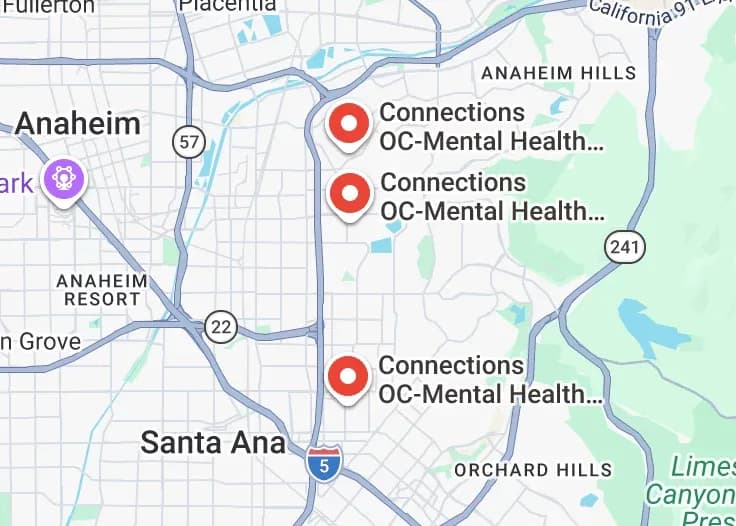
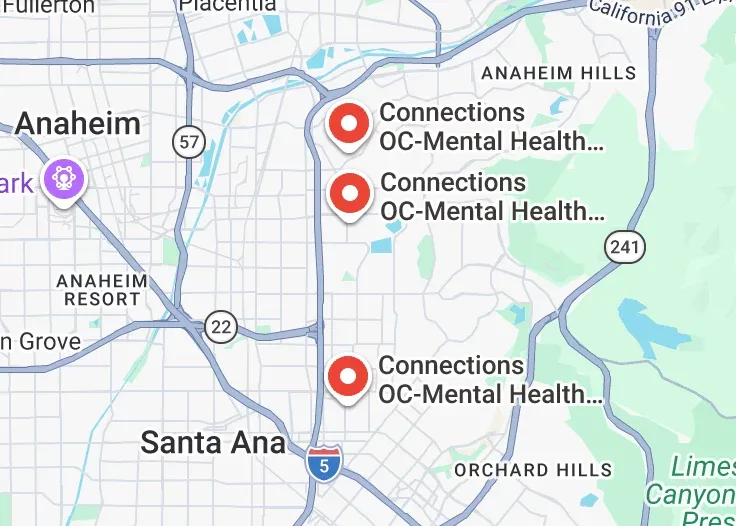
  • Orange County
    Tustin, CATustin, CAVilla Park, CAVilla Park, CAOrange, CAOrange, CA
    Location Preview
Tustin, CATustin, CAVilla Park, CAVilla Park, CAOrange, CAOrange, CA
Location Preview
Tustin, CATustin, CAVilla Park, CAVilla Park, CAOrange, CAOrange, CA
Location Preview
Areas We Serve

Why I should relocate for rehab?

Menu CTA Image
Mental Health Disorders
Anxiety Disorders
  • Generalized Anxiety Disorder
  • Panic Disorder
  • Obsessive Compulsive Disorder
  • Social Anxiety Disorder
  • Agoraphobia
Mood Disorders
  • Depression Treatment (MentalHealth National)
  • Bipolar Disorder
  • Premenstrual Dysphoric Disorder
  • Disruptive Mood Dysregulation Disorder
  • Major Depressive Disorder
  • Persistent Depressive Disorder
  • Seasonal Affective Disorder
Trauma Disorders
  • Post Traumatic Stress Disorder
  • Adjustment Disorder
Personality Disorders
  • Borderline Personality Disorder
  • Antisocial Personality Disorder
  • Dissociative Identity Disorder
  • Histrionic Personality Disorder
  • Paranoid Personality Disorder
Psychotic Disorders
  • Schizophrenia
  • Schizoaffective Disorder
Neurodevelopment Disorder Treatment (MentalHealth National)
  • ADHD
Areas We Serve

Why I should relocate for rehab?

Menu CTA Image
Mental Health Treatment

Mental Health Treatment

Get dual-diagnosis treatment for SUD and mental health

888-255-2112
  • Cognitive Behavioral TherapyCognitive Behavioral Therapy
  • Dialectical Behavioral TherapyDialectical Behavioral Therapy
  • Seeking Safety TreatmentSeeking Safety Treatment
  • Motivational InterviewingMotivational Interviewing
  • Medication ManagementMedication Management
Areas We Serve

Why I should relocate for rehab?

Menu CTA Image
Contact
657-298-1982
657-298-1982
Skip to content
Inpatient Alcohol Rehab Treatment
Outpatient Alcohol Rehab Treatment

Disruptive Mood Dysregulation Disorder (DMDD)

Picture of Written By:
Written By:

Matthew D'Ursov

Picture of Content Manager:
Content Manager:

Amy Leifeste

Picture of Editor:
Editor:

Karena Mathis

We understand recovery, we can help
  • Personalized, Addiction Treatment
    Programs for Every Individual
  • Masters-level addiction therapists
  • Most major insurance accepted
Call Now! 844-759-0999
Verify Your Insurance

Table of Contents

Disruptive mood dysregulation disorder (DMDD) is an aggravating mental health disorder that presents in childhood. DMDD is characterized by chronic and extreme irritability combined with intermittent tantrums that are disproportionate to the circumstances. Treatment options for DMDD include talk therapy (psychotherapy) combined with medication to address the symptoms and improve the child’s well-being.

Read on to discover:

  • What is DMDD?
  • What is disruptive mood dysregulation disorder in adults?
  • What are the disruptive mood dysregulation disorder criteria?
  • Is there disruptive mood dysregulation disorder medication available?
  • How to connect with treatment for DMDD in Southern California.

Get Personalized Addiction Care at The Connections Mental Health

Our rehab centers help men and women who are struggling with addictions, substance abuse and mental health disorders. We also provide treatment exclusively to International Association of Fire Fighters (IAFF) members at our Maryland facility, the IAFF Center of Excellence for Behavioral Health Treatment and Recovery.

Find a Location
See Our Admissions Process
Read Our Success Stories

woman has hands on head representing symptoms of generalized anxiety disorder

What is Disruptive Mood Dysregulation Disorder?

DMDD is a mental health disorder that is characterized by chronic irritability combined with frequent outbursts of anger in children.

While it is common for children to experience moodiness, disruptive mood dysregulation disorder is more persistent and severe, with temper outbursts that are intense and prolonged. The disorder significantly impacts a child’s daily life, affecting their ability to function well at home, school, and with friends. Academic performance, relationships with peers, and family interactions may be negatively affected by the child’s excessive irritability and seemingly unprovoked anger reactions to minor triggers.

Early diagnosis and appropriate treatment can help children manage these challenges effectively.

man looks down representing schizophrenia

Symptoms of DMDD

DMDD is characterized by specific symptoms that can dramatically impact a child’s emotional and behavioral well-being. Identifying these symptoms can streamline early detection and intervention.

These are the key disruptive mood dysregulation disorder symptoms:

  • Chronic and extreme irritability: Children with DMDD often experience persistent and severe irritability, which is more frequent and intense than typically observed in their peers. They may find it challenging to manage their emotions, leading to ongoing feelings of frustration and annoyance.
  • Regular temper outbursts: One of the hallmark features of DMDD is the occurrence of temper outbursts. These outbursts involve verbal or behavioral expressions of anger that are disproportionate to the situation at hand. The child may have difficulty controlling these outbursts, leading to disruptions in their daily life.
  • Impaired functioning: DMDD can significantly impair a child’s functioning at home, school, or social settings. The chronic irritability and temper outbursts may affect their academic performance, relationships with peers, and family dynamics.
  • Multiple environments: The symptoms of DMDD are not limited to a specific setting but manifest across different environments such as home, school, or with peers.
  • Duration and frequency: Symptoms must persist for at least 12 months with no symptom-free period longer than three consecutive months.
  • Onset before age 10: Symptoms must begin before age 10 for a DMDD diagnosis.

Recognizing these symptoms can help parents, educators, and healthcare professionals identify potential cases of DMDD and seek appropriate evaluation and treatment. Early intervention can significantly improve a child’s quality of life and overall well-being.

an image of someone who got OCD treatment in Orange County

How is DMDD Diagnosed?

Diagnosing DMDD involves a comprehensive assessment by qualified mental health professionals.

The initial step is a clinical evaluation, where a child and adolescent psychologist or psychiatrist conducts a thorough assessment of the child’s emotional and behavioral symptoms. They gather information about the child’s medical and family history, developmental milestones, and any previous psychiatric diagnoses or treatments.

Mental healthcare professionals use disruptive mood dysregulation disorder DSM-5 criteria to determine if the child’s symptoms align with DMDD. DSM-5-TR is the fifth revised edition of American Psychiatric Association’s Diagnostic and Statistical Manual of Mental Disorders.

Disruptive mood dysregulation disorder DSM 5 criteria and disruptive mood dysregulation disorder ICD 10 criteria involve duration and frequency of symptoms.

To aid in the evaluation, mental health professionals utilize specialized assessment tools tailored to assess DMDD and related conditions. These tools help gather information from different perspectives, including parents, teachers, and the child themselves.

DMDD must be differentiated from other mental health conditions that may present similar symptoms, such as bipolar disorder or ODD (oppositional defiant disorder). Mental health professionals carefully assess the child’s symptoms and history to rule out other potential diagnoses. To gain a comprehensive understanding of the child’s behavior, mental health professionals may observe the child in various settings – at home, school, or during social interactions, for instance.

DMDD FAQs

Depression symptoms can vary widely from person to person. The severity and duration of these symptoms may also differ. Experiencing occasional sadness or low moods does not necessarily indicate depression. However, when these feelings persist and significantly interfere with daily life, it may be a sign of clinical depression. If you are wondering, “Am I depressed”, here are some common signs of depression:

What does disruptive mood dysregulation disorder feel like?

Disruptive mood dysregulation disorder feels like ongoing irritability and frequent anger outbursts that are disproportionate to situations and disrupt daily life.

Is DMDD a form of bipolar disorder?

No, DMDD is not a form of bipolar disorder. It involves chronic irritability and temper outbursts, while bipolar disorder includes episodic mood and energy shifts.

Is DMDD on the autism spectrum?

No, DMDD is not part of the autism spectrum. It is a separate condition involving chronic irritability and severe temper outbursts in children.

What causes disruptive mood dysregulation disorder?

The exact cause is not fully known, but DMDD likely develops from a combination of genetic, biological, and environmental factors.

Can you outgrow DMDD?

Some children may see improvement in symptoms over time, but DMDD is not simply outgrown and usually requires proper treatment and management.

Remember:

An accurate diagnosis of DMDD sets the foundation for a targeted and effective treatment plan. Early identification and intervention can drastically improve the child’s coping abilities and overall functioning, leading to a better quality of life. If you suspect that your child may be experiencing symptoms of DMDD, seek professional evaluation and guidance to ensure timely support and care.

Diagnosis often involves a collaborative approach, where mental health professionals work closely with the child’s parents, teachers, and other caregivers to gather additional information and insights into the child’s behavior. Given the chronic and persistent nature of DMDD, mental health professionals should assess the child’s symptoms over an extended period, usually at least 12 months. This approach helps confirm the stability and consistency of the diagnosis.

man's head is in his hands representing 5 stages of depression

Get Treatment for Disruptive Mood Dysregulation Disorder at Connections

At Connections Mental Health in Southern California, we are dedicated to providing individualized and compassionate disruptive mood dysregulation disorder treatment. Our primary focus is on creating a safe and nurturing environment where individuals seeking stability can find healing and peace. With our team of expert staff committed to personalized care, we are determined to help people experience profound healing while building lasting connections.

By choosing Connections Mental Health, you are selecting a reliable partner in your journey towards managing DMDD and achieving whole-body healing. Our treatments are based on evidence-based practices and the latest psychiatric science, ensuring the best possible outcomes. You will benefit from 24/7 supervision with at least two staff members present at all times to prioritize your safety and well-being.

With a compassionate-first approach, we specialize in treating the person, not just their symptoms. Our ultimate goal is to create an environment that feels like a home rather than a hospital, where you can heal surrounded by the serene beauty of Southern California.

Whether you or a loved one is experiencing DMDD, our team is here to support you and help restore daily functioning and mental well-being. Engage in compassionate treatment that combines science-backed interventions and holistic therapies, taking the first step towards a brighter future at Connections Mental Health.

Contact us today at 888-255-2112 to learn more about our personalized treatment plans and start your journey to healing at Connections Mental Health.

Related Blogs

Check out our addiction recovery blog to learn more about substance use disorders and how to get effective treatment.

Does Insurance Cover Residential Mental Health Treatment?

Insurance may cover residential mental health treatment, but coverage depends heavily on your specific insurance plan, clinical needs, and how care is classified. In many

Why Do I Feel Like Everyone Hates Me?

Hydromorphone, marketed under the brand names Dilaudid and Exalgo, is a potent semi-synthetic opioid pain reliever utilized in hospital settings and as a component of long-term treatment plans for individuals who are tolerant to opioids and experiencing severe pain.

Overstimulated Meaning

Hydromorphone, marketed under the brand names Dilaudid and Exalgo, is a potent semi-synthetic opioid pain reliever utilized in hospital settings and as a component of long-term treatment plans for individuals who are tolerant to opioids and experiencing severe pain.

What to Expect During Inpatient Mental Health Stay

Hydromorphone, marketed under the brand names Dilaudid and Exalgo, is a potent semi-synthetic opioid pain reliever utilized in hospital settings and as a component of long-term treatment plans for individuals who are tolerant to opioids and experiencing severe pain.

Residential vs Inpatient Mental Health Treatment

Hydromorphone, marketed under the brand names Dilaudid and Exalgo, is a potent semi-synthetic opioid pain reliever utilized in hospital settings and as a component of long-term treatment plans for individuals who are tolerant to opioids and experiencing severe pain.

can I check myself into a mental hospital

Hydromorphone, marketed under the brand names Dilaudid and Exalgo, is a potent semi-synthetic opioid pain reliever utilized in hospital settings and as a component of long-term treatment plans for individuals who are tolerant to opioids and experiencing severe pain.
View Other Topics

What Our Clients Say

5 Star Google Reviews

Where You’ll Be Staying

We strive to provide a comfortable, home-like environment during your recovery journey. Browse our facility images below to take a look at our upscale residential facilities.


Tour Our Facilities
rectangle-250-1-68b941b299489.webp
rectangle-251-1-1-68b941b47d396.webp
rectangle-250-2-68b941b9428a8.webp
rectangle-251-2-68b941bad8a4b.webp
Tour Our Facilities

Paying Out Of Pocket without Insurance

Range $5,000 to $60,000

If you can’t pay your co-pay amount

Call us we will work with you

Paying Out Of Pocket with Insurance

Range $0 to $12,000

(Depending on insurance plan)

We Accept Most Major Insurance

View our wide selection of accepted providers. Don’t see yours? Call our admissions team for help.

844-759-0999
Verify Insurance

Related Pages

Best Residential Outpatient Rehab Mental Health Centers in the Country

Best Residential IOP Rehab Mental Health Centers in the Country

Best Residential Inpatient Rehab Mental Health Centers in the Country

Best Residential Addiction Therapists Counselors Rehab Mental Health Centers in the Country

California Depression Treatment (Residential Mental Health Treatment Centers)

California Bipolar Disorder Treatment (Residential Mental Health Treatment Centers)

California Neurodevelopment Disorder Treatment (Residential Mental Health Treatment Centers)

California Eating Disorders Treatment (Residential Mental Health Treatment Centers)

California Psychotic Disorders Treatment (Residential Mental Health Treatment Centers)

California Personality Disorders Treatment (Residential Mental Health Treatment Centers)

California PTSD Treatment (Residential Mental Health Treatment Centers)

California Inpatient Trauma Disorder Treatment (Residential Mental Health Treatment Centers)

California Inpatient PTSD Treatment (Residential Mental Health Treatment Centers)

California Trauma Disorder Treatment (Residential Mental Health Treatment Centers)

California IOP Rehab (Residential Mental Health Treatment Centers)

California EMDR Therapy (Residential Mental Health Treatment Centers)

California Inpatient Obsessive Compulsive Disorde Treatment (Residential Mental Health Treatment Centers)

California Anxiety Disorders Treatment (Residential Mental Health Treatment Centers)

California Outpatient Rehab (Residential Mental Health Treatment Centers)

California Inpatient Rehab (Residential Mental Health Treatment Centers)

California DBT Therapy (Residential Mental Health Treatment Centers)

California Cognitive Behavioral Therapy Therapy (Residential Mental Health Treatment Centers)

California Talk Therapy (Residential Mental Health Treatment Centers)

California Addiction Therapists Counselors Rehab (Residential Mental Health Treatment Centers)

Outpatient Rehab near Yorba Linda (Residential Mental Health Treatment Centers)

Outpatient Rehab near Westminster (Residential Mental Health Treatment Centers)

Villa Park Outpatient Rehab (Residential Mental Health Treatment Centers)

Tustin Outpatient Rehab (Residential Mental Health Treatment Centers)

Outpatient Rehab near Stanton (Residential Mental Health Treatment Centers)

Outpatient Rehab near Seal Beach (Residential Mental Health Treatment Centers)

Outpatient Rehab near Santa Ana (Residential Mental Health Treatment Centers)

Outpatient Rehab near San Juan Capistrano (Residential Mental Health Treatment Centers)

Does Insurance Cover Residential Mental Health Treatment?

What Is the Goal of Therapy?

Why Do I Feel Like Everyone Hates Me? Tips & What to Do

What Are Common Signs of Overstimulation in Adults?

What to Expect at an Inpatient Behavioral Health Hospital

Residential vs. Inpatient Mental Health Treatment

You’re Not Alone.

Get treatment from a team of expert staff who is passionate about helping you experience peace.

Call Now
an image of the Connections Mental Health logo

Tustin
DHCS # MHBL240478
Exp 1/10/27

Joint Commission HCO ID: 690880
Effective Date: 3/8/2025

Villa Park
DHCS #MHBL240509
Exp 9/4/26

Joint Commission HCO ID: 690880
Effective Date: 3/8/2025

Orange
DHCS #MHBT260570
Exp 4/8/27

Joint Commission HCO ID: 690880
Effective Date: 3/8/2025

  • 17811 Bigelow Park, Tustin, CA 92780
  • 17841 Lincoln St Villa Park, CA 92861
  • 2403 N Shady Forest Ln Orange, CA 92867
  • Privacy Policy
  • Sitemap
About Us

About Us

Effective residential inpatient mental health treatment.

Get to know us
Who We Are
  • Staff
  • Our Facilities
Resources
  • Blog
  • FAQ
  • Insurance Verification
  • Reviews
Areas We Serve

Why I should relocate for rehab?

Menu CTA Image
Locations

Locations

Choose from our beautiful locations near beaches & national parks.

888-255-2112
California
  • Orange County
    Tustin, CATustin, CAVilla Park, CAVilla Park, CAOrange, CAOrange, CA
    Location Preview
Tustin, CATustin, CAVilla Park, CAVilla Park, CAOrange, CAOrange, CA
Location Preview
Tustin, CATustin, CAVilla Park, CAVilla Park, CAOrange, CAOrange, CA
Location Preview
Areas We Serve

Why I should relocate for rehab?

Menu CTA Image
Mental Health Disorders
Anxiety Disorders
  • Generalized Anxiety Disorder
  • Panic Disorder
  • Obsessive Compulsive Disorder
  • Social Anxiety Disorder
  • Agoraphobia
Mood Disorders
  • Depression Treatment (MentalHealth National)
  • Bipolar Disorder
  • Premenstrual Dysphoric Disorder
  • Disruptive Mood Dysregulation Disorder
  • Major Depressive Disorder
  • Persistent Depressive Disorder
  • Seasonal Affective Disorder
Trauma Disorders
  • Post Traumatic Stress Disorder
  • Adjustment Disorder
Personality Disorders
  • Borderline Personality Disorder
  • Antisocial Personality Disorder
  • Dissociative Identity Disorder
  • Histrionic Personality Disorder
  • Paranoid Personality Disorder
Psychotic Disorders
  • Schizophrenia
  • Schizoaffective Disorder
Neurodevelopment Disorder Treatment (MentalHealth National)
  • ADHD
Areas We Serve

Why I should relocate for rehab?

Menu CTA Image
Mental Health Treatment

Mental Health Treatment

Get dual-diagnosis treatment for SUD and mental health

888-255-2112
  • Cognitive Behavioral TherapyCognitive Behavioral Therapy
  • Dialectical Behavioral TherapyDialectical Behavioral Therapy
  • Seeking Safety TreatmentSeeking Safety Treatment
  • Motivational InterviewingMotivational Interviewing
  • Medication ManagementMedication Management
Areas We Serve

Why I should relocate for rehab?

Menu CTA Image
Contact
Verify Insurance
Call Now

Where Lasting Mental Health Treatment Truly Begins

Connect with our compassionate clinicians to get a personalized mental health treatment plan designed around your needs.
844-759-0999

Learn more about the individual mental health disorders we treat by clicking a button below.

Schizophrenia Disorder
Schizoaffective Disorder
Premenstrual Disphoric Disorder (PMDD)
Cyclothymia
Hypomania
Major Depressive Disorder (MDD)
Disruptive Mood Disregulation Disorder (DMDD)Disorder
Persistent Depressive Disorder (PDD)
ADHD
Social Anxiety Disorder
Major Depressive Disorder (MDD)
Disruptive Mood Disregulation Disorder (DMDD)Disorder
Persistent Depressive Disorder (PDD)
ADHD
Social Anxiety Disorder
Autism Spectrum Disorder (ASD)
Generalized Anxiety Disorder
Social Anxiety Disorder
Agoraphobia
Separation Anxiety Disorder
Dissociative Panic Disorder
Antisocial Personality Disorder
Paranoid Personality Disorder
Adjustment Disorder
Borderline Personality Disorder
USERJOURNEYGUIDE
Website GuideHand-picked pages that help our visitors
0 of 11 visited
  • 1Protect your job while you come to treatment+ Recommended next step
  • 2Can Insurance cover rehab treatment?
  • 3Why Traveling or Staying Close to home can both be great options.
  • 4Locations & Galleries
  • 5Staff page
  • 6Reviews
  • 7What to bring to treatment
  • 8Treatment & Therapies we provide
  • 9Admissions Process
  • 10Contact Us
  • 11Residential Inpatient vs Hospital Inpatient