Agoraphobia is a mental health disorder characterized by an overwhelming fear of specific situations. For some people, this fear can be so intense that they may go to great lengths to avoid leaving their own home. However, agoraphobia is a manageable condition with various treatment options available. These treatments encompass medications, cognitive behavioral therapy, and lifestyle adjustments. The effectiveness of treatment is often higher when diagnosis and intervention occur early in the course of the disorder.
Get Personalized Addiction Care at The Connections Mental Health
Our rehab centers help men and women who are struggling with addictions, substance abuse and mental health disorders. We also provide treatment exclusively to International Association of Fire Fighters (IAFF) members at our Maryland facility, the IAFF Center of Excellence for Behavioral Health Treatment and Recovery.
Agoraphobia is a form of anxiety disorder prompting individuals to avoid places or situations that could trigger sensations of being:
Helpless
Panicked
Trapped
Scared
Embarrassed
Individuals grappling with agoraphobia often exhibit panic attack symptoms like rapid heartbeat and nausea when confronting stress-inducing scenarios. These symptoms may even emerge prior to entering the situation. In severe cases, the condition can lead people to refrain from routine activities like going to the bank or grocery store, confining them indoors for the majority of the day.
NIMH (National Institute of Mental Health) reports that roughly 0.8% of U.S. adults grapple with agoraphobia, with about 40% of cases categorized as severe. In advanced stages, agoraphobia can be profoundly incapacitating. Although those with agoraphobia may acknowledge the irrationality of their fear, they may find themselves powerless to overcome it. This can detrimentally impact their personal relationships and performance in work or school.
If you suspect that you are dealing with agoraphobia, seek treatment promptly. Treatment options can aid in symptom management and enhance your overall quality of life. Depending on the severity of your condition, treatment might encompass therapy, medications, and lifestyle adjustments.
Symptoms of Agoraphobia
Anxiety is a common human experience, but when it escalates into an anxiety disorder, it can lead to relentless and disproportionate worry that interferes with daily functioning. Agoraphobia, a specific form of anxiety disorder, triggers intense fear and stress, often prompting people to avoid certain situations. The symptoms of agoraphobia closely resemble those of a panic attack. When confronted with triggering circumstances or spaces, it is common to encounter the following sensations:
Chest discomfort or rapid heart rate
Intense fear or a trembling sensation
Breathing rapidly or struggling to catch your breath
Feeling lightheaded or dizzy
Sudden chills or a flushed, heated complexion
Excessive sweating (hyperhidrosis)
Upset stomach or gastrointestinal distress
These agoraphobia symptoms are characteristic of the condition, and highlight the impact it can have on overall well-being.
Although there is no dedicated agoraphobia test, diagnosis of the condition requires meeting specific criteria outlined in DSM-5-TR (fifth revised edition of Diagnostic and Statistical Manual of Mental Disorders). This manual, published by APA (American Psychiatric Association), is a reference commonly used by healthcare professionals to diagnose mental health conditions.
To be diagnosed with agoraphobia, you must experience intense fear or anxiety in two or more of the following situations:
Using public transportation (train or bus)
Being in open spaces (store or parking lot)
Being in enclosed spaces (elevator or car)
Being in a crowded place
Being away from home alone
If you are diagnosed with panic disorder with agoraphobia, additional criteria apply. You must have recurrent panic attacks, with at least one panic attack leading to:
Fear of experiencing more panic attacks
Fear of the potential consequences of panic attacks, such as heart attack or loss of control
Behavioral changes resulting from panic attacks
A proper diagnosis involves ruling out the possibility that your symptoms are caused by another illness or condition. They must also not be attributed to substance abuse or another disorder.
What Causes Agoraphobia?
The precise origins of agoraphobia are unclear. Nevertheless, a common association is observed with preexisting panic disorders. These disorders prompt brief yet intense episodes of fear without a specific cause. Interestingly, roughly one-third of individuals grappling with panic disorders also develop agoraphobia. Having said that, agoraphobia can also emerge independently, without an underlying panic disorder. The development of agoraphobia may be influenced by various factors, including:
Biology (encompassing health conditions and genetics)
Personality traits
Traumatic or stressful experiences
Learning encounters
Can Isolation Cause Agoraphobia?
Isolation, while not a direct cause, can contribute to the development or exacerbation of agoraphobia. Agoraphobia often involves a fear of situations where escape might be difficult, or help might not be readily available. When individuals isolate themselves due to anxiety, they may inadvertently reinforce their fear of these situations, as they avoid exposure to them.
Isolation can lead to a cycle where individuals avoid places or situations that trigger anxiety, which can then lead to increased feelings of fear and panic when confronted with those situations. Over time, this avoidance can result in a narrowing of their comfort zone, making it more challenging to engage in activities outside of their immediate surroundings.
Beyond this, isolation can prevent individuals from seeking social support, which is crucial for coping with anxiety and stress. Lack of social interaction and support can inflame feelings of loneliness, depression, and anxiety, all of which may contribute to the development or intensification of agoraphobic symptoms.
Treatment for Agoraphobia
Agoraphobia is a condition that can be effectively managed through a variety of treatment approaches. In many cases, a combination of different agoraphobia therapies may be indicated to achieve optimum outcomes.
Treatments for Agoraphobia include:
Therapy
Lifestyle Changes
Medications
Therapy
Psychotherapy, informally known as talk therapy, is one of the core treatments for agoraphobia. This involves regular sessions with a therapist or mental health professional. It provides a platform to discuss fears and contributing issues. Often combined with medications, psychotherapy is a short-term treatment aimed at enhancing your ability to cope with fears and anxiety.
One of the most commonly used forms of psychotherapy for treating agoraphobia is CBT (cognitive behavioral therapy). CBT helps you recognize distorted thoughts and emotions related to the condition. It guides you in replacing negative thought patterns with healthier ones, ultimately restoring a sense of control in your life.
Agoraphobia treatments may also involve exposure therapy. This technique gradually exposes you to feared situations or places in a controlled manner. Over time, this exposure can lead to a reduction in fear and anxiety.
While psychotherapy can be effective, some people also benefit from medication for agoraphobia administered in combination with CBT or other behavioral interventions.
Lifestyle changes
While not direct treatments for agoraphobia, these lifestyle changes can help alleviate general anxiety:
Regular exercise to boost the production of mood-regulating brain chemicals.
A balanced diet consisting of whole grains, vegetables, and lean proteins to enhance overall well-being.
Daily meditation or deep breathing exercises to reduce anxiety and counteract panic attacks.
Medications
There are several types of effective medication for this disorder that can be prescribed by a registered clinician. Agoraphobia medication may include:
SSRIs
(selective serotonin reuptake inhibitors) like paroxetine (Paxil) or fluoxetine (Prozac).
SNRIs
Medication for anxiety disorder includes antidepressants and anti-anxiety medications can also be prescribed to alleviate symptoms of anxiety disorders. Anxiety disorder medications may help rebalance brain chemicals and provide relief from excessive anxiety.
Tricyclic antidepressants
like amitriptyline (Elavil) or nortriptyline (Pamelor).
Lifestyle changes
Adopting a healthy lifestyle, including regular exercise, balanced diet, sufficient sleep, and avoiding excessive caffeine and alcohol consumption, can contribute to better management of anxiety.
Support groups
Joining support groups or seeking social support from friends and family can be beneficial for those with anxiety disorders. Sharing experiences and coping strategies with others can create a sense of understanding and validation.
Professional help
If anxiety symptoms significantly impact daily functioning or become unmanageable, seeking help from a mental health professional is essential. They can provide personalized treatment plans, anxiety disorder medication, and ongoing support.
Remember:
Consider avoiding dietary supplements during treatment, as they might not have proven efficacy and could potentially interfere with prescribed medications. Remember that the effectiveness of treatment can vary from person to person. Consult a mental health professional to develop a personalized treatment plan tailored to your specific needs and circumstances.
Get Treatment for Agoraphobia at Connections
At Connections Mental Health in Southern California, we offer a range of mental health treatment programs for those dealing with conditions like agoraphobia.
Our welcoming beachside facility provides a nurturing environment for anyone who is battling mental health issues and looking to initiate healing in a tranquil and inclusive setting. Our committed team blends science-backed and holistic treatments to help you begin whole-body healing and regain some stability in your life.
If you or a loved one is grappling with an aggravating condition like agoraphobia, we can help you improve daily functioning and overall well-being here at Connections Mental Health.
Reach out to our friendly team today and discover how you can engage with effective agoraphobia treatment in Southern California.
Related Blogs
Check out our addiction recovery blog to learn more about substance use disorders and how to get effective treatment.
Insurance may cover residential mental health treatment, but coverage depends heavily on your specific insurance plan, clinical needs, and how care is classified. In many
Hydromorphone, marketed under the brand names Dilaudid and Exalgo, is a potent semi-synthetic opioid pain reliever utilized in hospital settings and as a component of long-term treatment plans for individuals who are tolerant to opioids and experiencing severe pain.
Hydromorphone, marketed under the brand names Dilaudid and Exalgo, is a potent semi-synthetic opioid pain reliever utilized in hospital settings and as a component of long-term treatment plans for individuals who are tolerant to opioids and experiencing severe pain.
Hydromorphone, marketed under the brand names Dilaudid and Exalgo, is a potent semi-synthetic opioid pain reliever utilized in hospital settings and as a component of long-term treatment plans for individuals who are tolerant to opioids and experiencing severe pain.
Hydromorphone, marketed under the brand names Dilaudid and Exalgo, is a potent semi-synthetic opioid pain reliever utilized in hospital settings and as a component of long-term treatment plans for individuals who are tolerant to opioids and experiencing severe pain.
Hydromorphone, marketed under the brand names Dilaudid and Exalgo, is a potent semi-synthetic opioid pain reliever utilized in hospital settings and as a component of long-term treatment plans for individuals who are tolerant to opioids and experiencing severe pain.
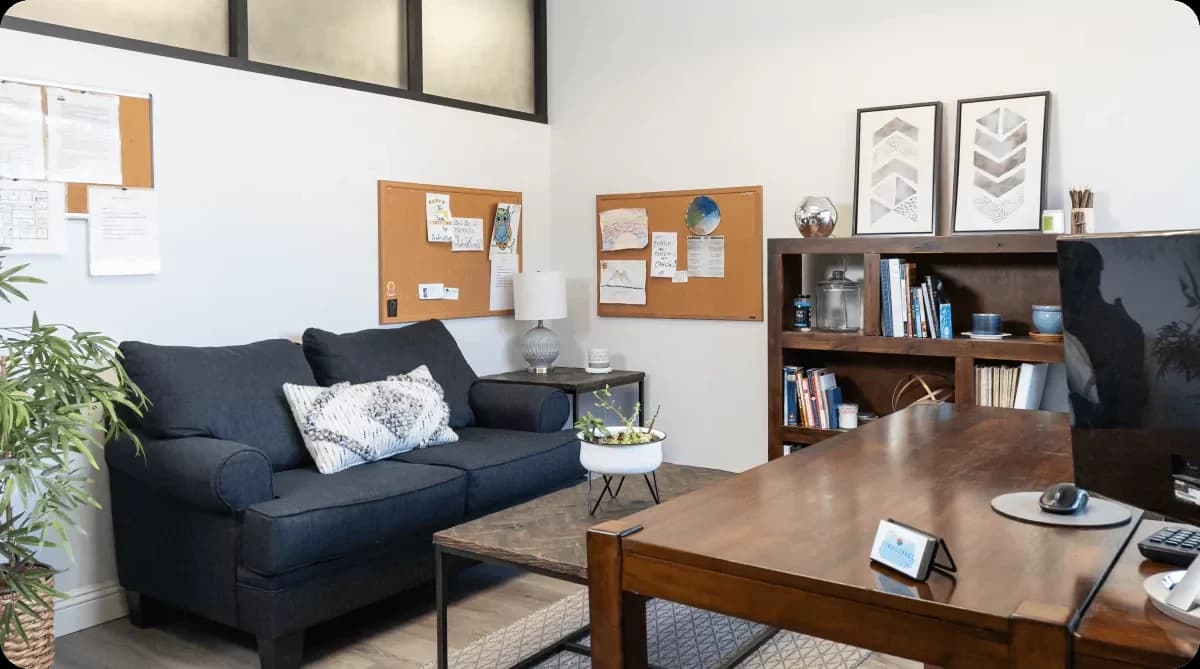
We strive to provide a comfortable, home-like environment during your recovery journey. Browse our facility images below to take a look at our upscale residential facilities.