Generalized anxiety disorder leads individuals to experience uncontrollable and excessive worry about everyday situations and occurrences. This condition goes beyond normal feelings of anxiousness.
While occasional anxiety is common, those with generalized anxiety disorder are overwhelmed by persistent worries, even when there is no apparent reason for concern. Generalized anxiety disorder can presents in childhood or adulthood, causing distress that interferes with relationships and daily functioning. Fortunately, various treatment options are available to address this distressing condition.
Read on to discover:
What is generalized anxiety disorder?
What causes generalized anxiety disorder?
What are the main general anxiety disorder symptoms?
What are the most effective treatments for generalized anxiety disorder?
How to connect with treatment for generalized anxiety disorder in Southern California.
Get Personalized Addiction Care at The Connections Mental Health
Our rehab centers help men and women who are struggling with addictions, substance abuse and mental health disorders. We also provide treatment exclusively to International Association of Fire Fighters (IAFF) members at our Maryland facility, the IAFF Center of Excellence for Behavioral Health Treatment and Recovery.
Generalized anxiety disorder, commonly abbreviated to GAD, is a common mental health condition that is characterized by persistent and excessive worry about various aspects of everyday life. People suffering from anxiety disorders experience heightened levels of anxiety and fear, often beyond what is considered normal in response to everyday stressors. This excessive worry is difficult to control and can lead to significant distress, impacting both mental and physical well-being.
Unlike regular feelings of anxiousness that may come and go, generalized anxiety disorder involves chronic and intense worry that persists for at least six months or longer. This worry can revolve around a wide range of topics from health, work and family to finances and other routine matters. Even when there is no immediate threat or reason to be concerned, individuals with generalized anxiety disorder find themselves consumed by anxious thoughts.
The onset of GAD can occur at any age, but it often becomes more pronounced in early adulthood. That said, GAD may also affect children and adolescents. The exact cause of GAD is not fully understood, but a combination of genetic, environmental, and neurological factors is believed to play a role in its development.
Living with GAD can be challenging, as the constant worrying can disrupt relationships, work, and daily activities. However, the good news is that effective treatments are available. Psychotherapies like CBT (cognitive behavioral therapy) and generalized anxiety disorder medications can help individuals manage their symptoms and regain control over their lives. With the right support and treatment, people with GAD can find relief from their excessive worrying and improve their overall quality of life.
Symptoms of Generalized Anxiety Disorder
Generalized anxiety disorder symptoms are outlined in DSM-5-TR (Diagnostic and Statistical Manual of Mental Disorders, revised Fifth Edition). According to DSM-5, to be diagnosed with GAD, an individual must experience excessive worry and anxiety about a variety of situations or events which lasts for at least six months. Additionally, the worry and anxiety should be difficult to control, and must be associated with at least three of the following symptoms:
Restlessness
Fatigue
Problems with concentration
Irritability
Muscle tension
Sleep disturbances
The symptoms should cause significant distress or impairment in social, occupational, or other important areas of functioning. A diagnosis should only be made by a qualified mental health professional based on a comprehensive assessment.
Generalized Anxiety Disorder ICD 10 Criteria
While most health professionals in the United States diagnose GAD using generalized anxiety disorder DSM 5 criteria, generalized anxiety disorder ICD 10 criteria may be found in International Classification of Diseases published by WHO (World Health Organization) and now available as an eleventh revision (ICD 11).
Generalized anxiety disorder criteria include the following physical and mental symptoms:
Overestimating the threat level of situations
Struggling to release worries
Difficulty concentrating
Sleep disturbances
Unease in uncertain circumstances
Irritability, nervousness, overthinking, and relaxation challenges
Fatigue and exhaustion
Muscle tension and trembling
Sweating, including sweaty palms
Repeated gastrointestinal issues like diarrhea or stomach aches
Feeling shaky or weak
Rapid heartbeat
Dry mouth
Easily triggered startle response
Neurological symptoms like numbness or tingling in various body parts
Childhood and adolescent anxiety symptoms include:
Concerns about fitting in with peers
Confidence and self-esteem issues
Excessive worry about or avoidance of social situations and school-related activities
Preoccupation with gaining approval from teachers and authority figures
Physical symptoms like stomach aches
Distinguishing GAD from other mental health conditions is key. While anxiety is a shared symptom among various disorders, GAD stands apart in the following ways:
Unlike occasional anxiousness in depression, GAD involves persistent worry spanning diverse topics for an extended period (at least six months).
GAD doesn’t revolve around a single fear, differentiating it from specific phobias.
The source of worry may be unclear in GAD, contrasting it from other disorders.
What Causes Generalized Anxiety Disorder?
The development of GAD may be influenced by a combination of environmental and genetic factors, as indicated by reputable sources. Some of these factors include:
Stressful experiences: Recent or prolonged exposure to stressful situations, such as personal or family illnesses, can contribute to the onset of GAD.
Caffeine and tobacco: Excessive consumption of caffeine or tobacco has been linked to exacerbating existing anxiety symptoms.
Early life adversities: Childhood abuse or bullying experiences may increase vulnerability to GAD later in life.
Health conditions: Certain health conditions like thyroid problems or heart arrhythmias have been associated with a higher risk of developing GAD.
NIMH (National Institute of Mental Health) estimates that 6% of U.S. adults will experience GAD at some stage, underscoring the prevalence of the disorder and the need for effective diagnosis and treatment.
Getting Therapy for Anxiety Disorder
Psychotherapy, informally known as talk therapy, plays a central role in anxiety disorder therapies. Our team utilizes various evidence-based therapies like CBT (cognitive behavioral therapy), DBT (dialectical behavior therapy), and IPT (interpersonal therapy) to help individuals understand their thoughts, emotions, and behaviors better.
Treatment for Generalized Anxiety Disorder
Generalized anxiety disorder treatments typically involve a combination of therapeutic approaches and, in some cases, medication. The aim of generalized anxiety disorder treatment is to alleviate symptoms, enhance coping strategies, and improve overall quality of life. Common treatment options for GAD include:
CBT (cognitive behavioral therapy): CBT is a widely used therapeutic approach and proven effective for treating GAD. It helps individuals identify and modify negative thought patterns that contribute to anxiety. Through CBT, individuals learn practical skills to manage their anxious thoughts and behaviors.
Exposure therapy: This treatment for general anxiety disorder involves the person being gradually exposed to situations that induce anxiety in a controlled manner. Over time, individuals become desensitized to these situations, reducing the associated anxiety.
Medications for generalized anxiety disorder: Medication for generalized anxiety disorder may include antidepressants and anti-anxiety medications. SSRIs (selective serotonin reuptake inhibitors) and SNRIs (serotonin-norepinephrine reuptake inhibitors) are commonly used as generalized anxiety disorder medication.
Relaxation techniques: Learning relaxation techniques like deep breathing, meditation, and progressive muscle relaxation can help manage anxiety symptoms in the moment.
Mindfulness-based therapies: Mindfulness practices cultivate awareness of the present moment and can be effective in reducing anxious thoughts and promoting emotional regulation.
Support groups: Joining support groups or group therapy sessions can provide individuals with GAD a sense of community and a platform to share their experiences and coping strategies.
Lifestyle modifications: Engaging in regular physical activity, maintaining a balanced diet, ensuring sufficient sleep, and avoiding excessive caffeine and alcohol consumption can contribute to overall anxiety management.
Self-care practices: Participating in joyful or relaxing activities like hobbies, spending time with loved ones, and engaging in creative outlets can play a significant role in reducing anxiety.
Treatment plans should be individualized based on the severity of symptoms, personal preferences, and response to various interventions. Individuals with GAD should work closely with mental health professionals to determine the most suitable treatment approach for their specific needs.
FAQs
How is generalized anxiety disorder diagnosed?
Generalized anxiety disorder is diagnosed through a mental health screening, typically involving questions about symptoms, medical history, and sometimes medical tests to rule out other conditions.
Is generalized anxiety disorder a disability?
While generalized anxiety disorder itself is not categorized as a disability, severe cases might impact a person’s ability to work, study, or interact, leading to potential disability accommodations.
What causes generalized anxiety disorder?
The causes of generalized anxiety disorder are multifactorial and can include a combination of genetic, environmental, and neurological factors, as well as traumatic experiences or stressors.
Can people with generalized anxiety disorder have a normal life?
Yes, with proper treatment and management, people with generalized anxiety disorder can lead a normal life and improve their quality of life.
Is generalized anxiety disorder considered a mental illness?
Yes, generalized anxiety disorder is considered a mental illness. It is an anxiety disorder characterized by excessive worry and fear that can significantly affect daily functioning.
Get Treatment for Generalized Anxiety Disorder at Connections
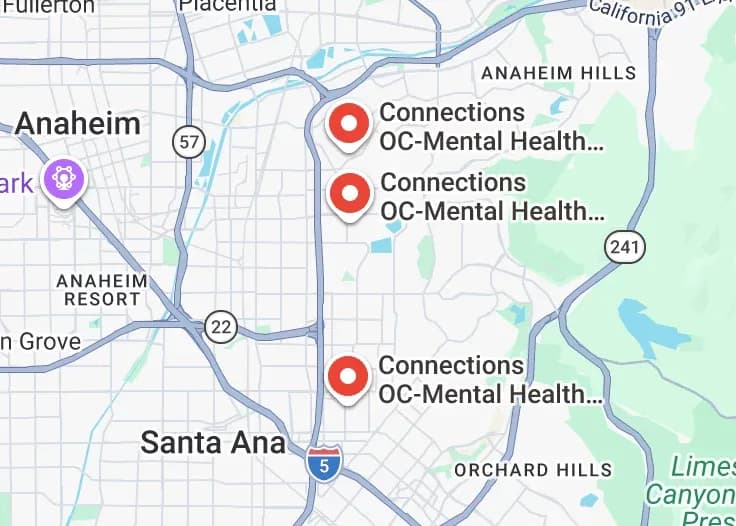
At Connections Mental Health in Southern California, we specialize in the treatment of generalized anxiety disorder and offer compassionate and personalized treatment for individuals dealing with anxiety and other mental health conditions.
Nestled by the beach, our facility creates a nurturing environment for those seeking stability, tranquility, and healing. Our dedicated team integrates holistic and evidence-based treatments, aiming to provide an atmosphere that feels like home rather than a clinical setting.
Whether you’re facing anxiety or know someone who is, we’re here to provide guidance and support to enhance functioning and mental well-being at Connections Mental Health.
Contact admissions today at 888-861-1658 to explore how you can initiate your journey towards recovery in Southern California, focusing on anxiety treatment in Orange County, that blends holistic and science-based interventions for a comprehensive approach to healing.
Related Blogs
Check out our addiction recovery blog to learn more about substance use disorders and how to get effective treatment.
Insurance may cover residential mental health treatment, but coverage depends heavily on your specific insurance plan, clinical needs, and how care is classified. In many
Hydromorphone, marketed under the brand names Dilaudid and Exalgo, is a potent semi-synthetic opioid pain reliever utilized in hospital settings and as a component of long-term treatment plans for individuals who are tolerant to opioids and experiencing severe pain.
Hydromorphone, marketed under the brand names Dilaudid and Exalgo, is a potent semi-synthetic opioid pain reliever utilized in hospital settings and as a component of long-term treatment plans for individuals who are tolerant to opioids and experiencing severe pain.
Hydromorphone, marketed under the brand names Dilaudid and Exalgo, is a potent semi-synthetic opioid pain reliever utilized in hospital settings and as a component of long-term treatment plans for individuals who are tolerant to opioids and experiencing severe pain.
Hydromorphone, marketed under the brand names Dilaudid and Exalgo, is a potent semi-synthetic opioid pain reliever utilized in hospital settings and as a component of long-term treatment plans for individuals who are tolerant to opioids and experiencing severe pain.
Hydromorphone, marketed under the brand names Dilaudid and Exalgo, is a potent semi-synthetic opioid pain reliever utilized in hospital settings and as a component of long-term treatment plans for individuals who are tolerant to opioids and experiencing severe pain.
We strive to provide a comfortable, home-like environment during your recovery journey. Browse our facility images below to take a look at our upscale residential facilities.