For those wondering what schizoaffective disorder is, it is a mental health condition characterized by a combination of psychotic symptoms from schizophrenia and mood changes from mood disorders.
Schizo relates to altered thinking, emotions, and perception of reality
Affective pertains to mood shifts
While no cure exists for schizoaffective disorder, treatment helps manage symptoms and improve quality of life. Read on to learn how individuals can engage with treatment for conditions like schizoaffective disorder.
Get Personalized Addiction Care at The Connections Mental Health
Our rehab centers help men and women who are struggling with addictions, substance abuse and mental health disorders. We also provide treatment exclusively to International Association of Fire Fighters (IAFF) members at our Maryland facility, the IAFF Center of Excellence for Behavioral Health Treatment and Recovery.
The symptoms of schizoaffective disorder depend on the subtype of the disorder. Schizoaffective disorder is categorized into two types: bipolar schizoaffective disorder and depressive schizoaffective disorder, differentiated by the accompanying mood disorder.
Bipolar disorder type: Schizoaffective disorder bipolar type involves distinct mood shifts, including manic highs and depressive lows, often leading to intense emotional changes.
Depressive type: Depressive schizoaffective disorder involves persistent feelings of sadness, worthlessness, and hopelessness, which may lead to suicidal thoughts. It can also include concentration and memory difficulties.
Schizoaffective disorder criteria include psychotic symptoms along with depressive and manic symptoms.
Psychotic symptoms
Hallucinations (perceived sensations that are not real, such as hearing voices or seeing shadows)
Delusions (false beliefs with no basis in reality that the person will not relinquish, even when given evidence to the contrary)
Disorganized speech (difficulty producing clear and coherent sentences)
Inability to distinguish real from imaginary
Odd or unusual behavior
Paranoia
Unclear thinking
Lack of emotion in facial expression and speech
Poor motivation
Slow movements or inability to move
Depressive symptoms
Low or sad mood
Feelings of worthlessness or hopelessness
Guilt or self-blame
Lack of energy and low mood
Loss of interest in usual activities
Poor appetite
Trouble thinking or concentrating
Changes in sleeping patterns (sleeping a little or a lot)
Weight loss or gain
Thoughts of death or suicide
Manic symptoms
Agitation
Distractibility
Increased work, social and sexual activity
Inflated self-esteem
Rapid or racing thoughts
Not sleeping enough
Self-destructive or dangerous behaviors (spending sprees, reckless driving, unsafe sex)
Symptoms of schizoaffective disorder vary widely, ranging from mild to severe. Individuals experience a combination of psychotic symptoms along with intense mood changes like depression, mania, or both.
Schizoaffective Disorder vs. Schizophrenia
Schizoaffective disorder and schizophrenia are both complex mental health conditions, but they have distinctive features and symptom profiles.
Schizoaffective disorder
Schizoaffective disorder is characterized by a fusion of symptoms from schizophrenia and mood disorder. Individuals experience both psychotic symptoms such as hallucinations, delusions, and disorganized thinking, along with significant mood changes like depression or mania.
The defining aspect is the co-occurrence of psychotic and mood-related symptoms. Psychotic symptoms may also appear independently from mood changes. It is divided into bipolar type and depressive type, depending on mood patterns.
Schizophrenia
Schizophrenia mainly revolves around psychotic symptoms such as hallucinations, delusions, disorganized speech, and distorted perception of reality. Mood disturbances are not the central focus.
Unlike schizoaffective disorder, schizophrenia does not include clear manic or depressive episodes as primary symptoms. It can significantly affect daily functioning and quality of life.
Both conditions require comprehensive treatment including medication, therapy, and support services to manage symptoms and improve overall well-being.
ADHD FAQ
What is the difference between schizophrenia and schizoaffective disorder?
Schizophrenia mainly involves hallucinations, delusions, and disorganized thinking, while schizoaffective disorder combines these symptoms with prominent mood disturbances like depression or mania.
What causes schizoaffective disorder?
The exact cause of schizoaffective disorder is not fully understood, but it is believed to result from a combination of genetic, brain chemistry, and environmental factors.
What triggers schizoaffective disorder?
Schizoaffective disorder can be triggered by genetic predisposition, brain chemistry imbalances, life stressors, substance use, and other environmental factors.
Is schizoaffective disorder curable?
Schizoaffective disorder is treatable, but not generally considered curable. A combination of therapies, medications, and support can help manage symptoms and improve functioning
Schizoaffective Disorder Treatment
For individuals with schizoaffective disorder, a comprehensive approach involving medications, psychotherapy, and life skills training is often most effective. Treatment strategies are tailored to symptom type, severity, and whether the disorder is depressive or bipolar. In some instances, hospitalization might be required, and long-term treatment aids symptom management.
Medications
Medications for schizoaffective disorder play a key role in treating the condition by addressing psychotic symptoms, mood stabilization, and depression. Schizoaffective disorder medication may include:
Antipsychotics: Paliperidone (Invega) is FDA-approved for schizoaffective disorder, while other antipsychotics can manage symptoms like delusions and hallucinations.
Mood-stabilizing medications: Bipolar type cases benefit from mood stabilizers, which help regulate mania and depression fluctuations.
Antidepressants: When depression is the primary mood disorder, antidepressants address sadness, hopelessness, and sleep or concentration challenges.
Psychotherapy
Psychotherapy (talk therapy) complements medication and may consist of:
Individual therapy: Normalizing thought patterns and symptom reduction are targeted, with an emphasis on real-life situations, relationships, coping mechanisms, and understanding the disorder.
Family or group therapy: Sharing experiences with peers can enhance treatment effectiveness, reduce isolation, offer reality checks during psychosis, and promote better social skills.
Life skills training
Training in social and vocational skills enhances quality of life and diminishes isolation. This may include:
Social skills training: Enhancing communication, social interactions, and daily activity participation is a focus, adapting to different settings like home or work.
Vocational rehabilitation and supported employment: Assisting individuals with schizoaffective disorder in job preparation, search, and retention.
Hospitalization
During crisis periods or severe symptoms, hospitalization ensures safety, proper care, and basic necessities like nutrition and sleep.
ECT (electroconvulsive therapy)
In adults resistant to psychotherapy and medication, treatment for schizoaffective disorder
may involve ECT (electroconvulsive therapy).
Get Treatment for Schizoaffective Disorder at Connections
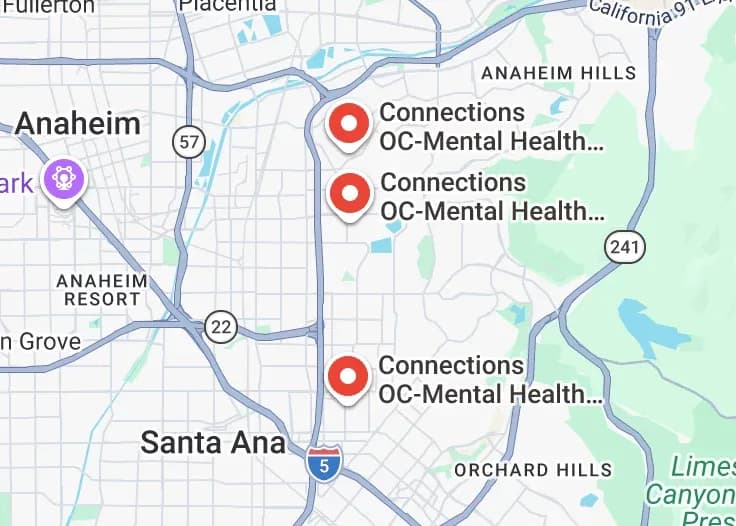
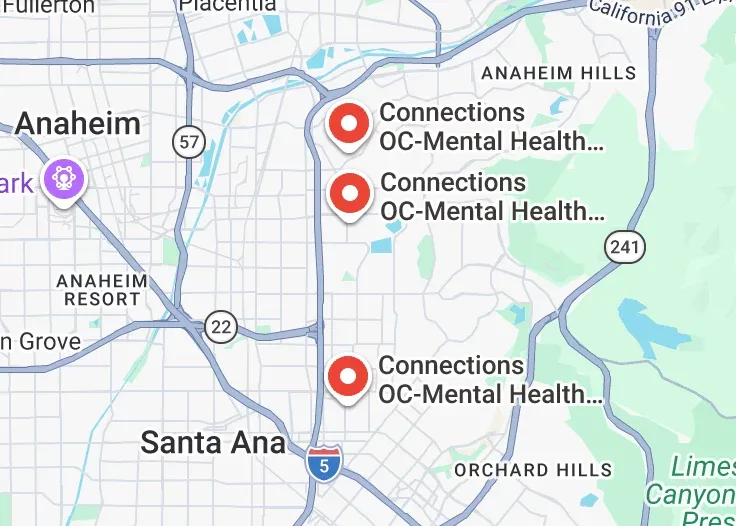
The best mental health treatment is personalized, and you can access customized care for schizoaffective disorder at Connections Mental Health in Southern California.
We have created an inclusive and nurturing environment where you can work with a committed team of experts and draw support from peers with lived experience of mental health issues.
Our compassionate-first treatment approach blends holistic and evidence-based interventions to promote whole-body healing.
Personality disorders like schizoaffective disorder do not need to define you. That said, if things feel overwhelming and you require stability and guidance, reach out to our friendly team any time to discuss your various options for schizoaffective disorder treatment by calling 888-255-2112.
Related Blogs
Check out our addiction recovery blog to learn more about substance use disorders and how to get effective treatment.
Insurance may cover residential mental health treatment, but coverage depends heavily on your specific insurance plan, clinical needs, and how care is classified. In many
Hydromorphone, marketed under the brand names Dilaudid and Exalgo, is a potent semi-synthetic opioid pain reliever utilized in hospital settings and as a component of long-term treatment plans for individuals who are tolerant to opioids and experiencing severe pain.
Hydromorphone, marketed under the brand names Dilaudid and Exalgo, is a potent semi-synthetic opioid pain reliever utilized in hospital settings and as a component of long-term treatment plans for individuals who are tolerant to opioids and experiencing severe pain.
Hydromorphone, marketed under the brand names Dilaudid and Exalgo, is a potent semi-synthetic opioid pain reliever utilized in hospital settings and as a component of long-term treatment plans for individuals who are tolerant to opioids and experiencing severe pain.
Hydromorphone, marketed under the brand names Dilaudid and Exalgo, is a potent semi-synthetic opioid pain reliever utilized in hospital settings and as a component of long-term treatment plans for individuals who are tolerant to opioids and experiencing severe pain.
Hydromorphone, marketed under the brand names Dilaudid and Exalgo, is a potent semi-synthetic opioid pain reliever utilized in hospital settings and as a component of long-term treatment plans for individuals who are tolerant to opioids and experiencing severe pain.
We strive to provide a comfortable, home-like environment during your recovery journey. Browse our facility images below to take a look at our upscale residential facilities.