About Us

About Us

Effective residential inpatient mental health treatment.

Get to know us
Who We Are
  • Staff
  • Our Facilities
Resources
  • Blog
  • FAQ
  • Insurance Verification
  • Reviews
Areas We Serve

Why I should relocate for rehab?

Menu CTA Image
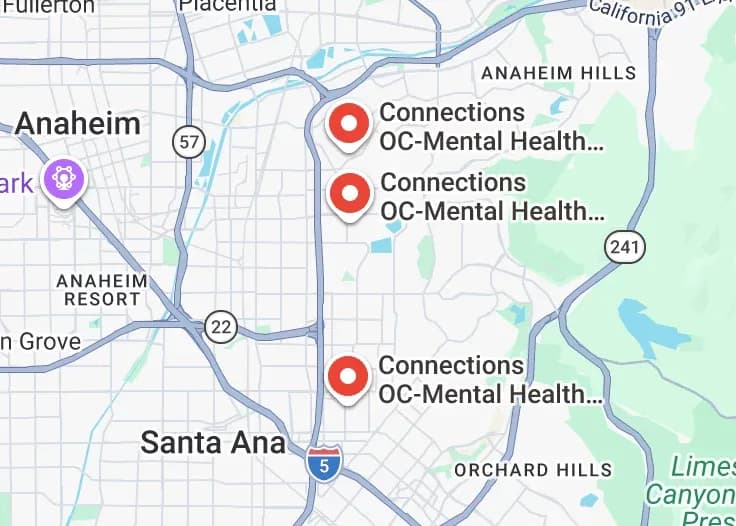
Locations

Locations

Choose from our beautiful locations near beaches & national parks.

888-255-2112
California
  • Orange County
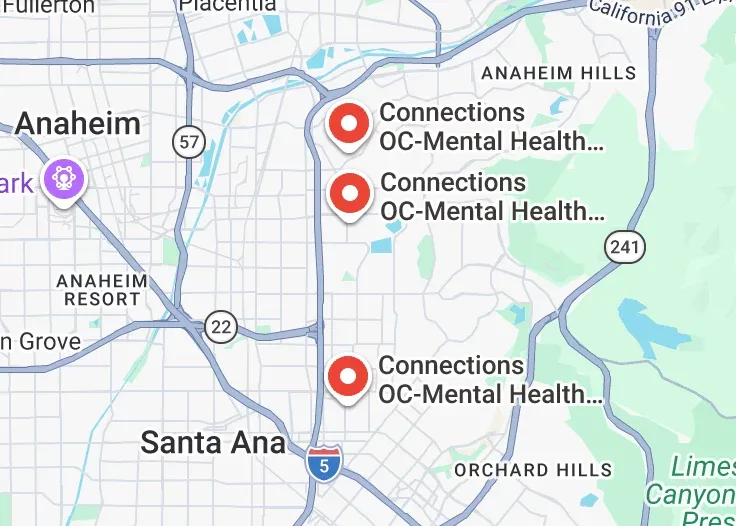
    Tustin, CATustin, CAVilla Park, CAVilla Park, CAOrange, CAOrange, CA
    Location Preview
Tustin, CATustin, CAVilla Park, CAVilla Park, CAOrange, CAOrange, CA
Location Preview
Tustin, CATustin, CAVilla Park, CAVilla Park, CAOrange, CAOrange, CA
Location Preview
Areas We Serve

Why I should relocate for rehab?

Menu CTA Image
Mental Health Disorders
Anxiety Disorders
  • Generalized Anxiety Disorder
  • Panic Disorder
  • Obsessive Compulsive Disorder
  • Social Anxiety Disorder
  • Agoraphobia
Mood Disorders
  • Depression Treatment (MentalHealth National)
  • Bipolar Disorder
  • Premenstrual Dysphoric Disorder
  • Disruptive Mood Dysregulation Disorder
  • Major Depressive Disorder
  • Persistent Depressive Disorder
  • Seasonal Affective Disorder
Trauma Disorders
  • Post Traumatic Stress Disorder
  • Adjustment Disorder
Personality Disorders
  • Borderline Personality Disorder
  • Antisocial Personality Disorder
  • Dissociative Identity Disorder
  • Histrionic Personality Disorder
  • Paranoid Personality Disorder
Psychotic Disorders
  • Schizophrenia
  • Schizoaffective Disorder
Neurodevelopment Disorder Treatment (MentalHealth National)
  • ADHD
Areas We Serve

Why I should relocate for rehab?

Menu CTA Image
Mental Health Treatment

Mental Health Treatment

Get dual-diagnosis treatment for SUD and mental health

888-255-2112
  • Cognitive Behavioral TherapyCognitive Behavioral Therapy
  • Dialectical Behavioral TherapyDialectical Behavioral Therapy
  • Seeking Safety TreatmentSeeking Safety Treatment
  • Motivational InterviewingMotivational Interviewing
  • Medication ManagementMedication Management
Areas We Serve

Why I should relocate for rehab?

Menu CTA Image
Contact
657-298-1982
657-298-1982
Skip to content
Inpatient Alcohol Rehab Treatment
Outpatient Alcohol Rehab Treatment

Social Anxiety Disorder

Picture of Written By:
Written By:

Matthew D'Ursov

Picture of Content Manager:
Content Manager:

Amy Leifeste

Picture of Editor:
Editor:

Karena Mathis

We understand recovery, we can help
  • Personalized, Addiction Treatment
    Programs for Every Individual
  • Masters-level addiction therapists
  • Most major insurance accepted
Call Now! 844-759-0999
Verify Your Insurance

Table of Contents

Social anxiety disorder, otherwise called social phobia, is an anxiety disorder that is characterized by intense feelings of anxiety or fear in social situations. Individuals with this disorder struggle to engage in conversations, meet new people, or participate in social events due to the fear of being judged.

Although they recognize that their fears are irrational, they find it challenging to overcome them. Unlike shyness, which can create difficulties in social situations, school, and work, social anxiety is more persistent and overwhelming. It can impact daily activities, such as grocery shopping and household tasks.

Approximately 15 million American adults experience social anxiety disorders, as reported by ADAA (Anxiety and Depression Association of America). This disorder frequently emerges during teenage years.

This guide addresses issues including:

  • Is there a social anxiety disorder test?
  • What are the main social anxiety causes?
  • Is there medication for social anxiety disorder?
  • Which social anxiety disorder therapies are most effective?
  • How to connect with therapy for social anxiety disorder in Southern California.

ADAA reference link

Get Personalized Addiction Care at The Connections Mental Health

Our rehab centers help men and women who are struggling with addictions, substance abuse and mental health disorders. We also provide treatment exclusively to International Association of Fire Fighters (IAFF) members at our Maryland facility, the IAFF Center of Excellence for Behavioral Health Treatment and Recovery.

Find a Location
See Our Admissions Process
Read Our Success Stories

woman representing borderline personality disorder

What is Social Anxiety Disorder?

Social anxiety disorder is an anxiety disorder associated with extreme fear or anxiety in social situations. Individuals with this disorder may have difficulty interacting with others, meeting new people, and participating in social activities. The fear is often centered around being judged, criticized, or embarrassed by others. This anxiety can lead to avoidance of social situations or enduring them with extreme distress. Unlike normal shyness, social anxiety disorder is persistent and can significantly impact a person’s daily life and well-being.

While it might feel isolating, social anxiety is a prevalent issue affecting numerous individuals. Many people grapple with these anxieties, although the specific situations that provoke symptoms of social anxiety disorder can vary.

For some, anxiety emerges across most social scenarios. Others associate anxiety with specific social contexts, such as conversing with strangers, mingling at gatherings, or performing on stage. Frequent triggers for social anxiety encompass:

  • Interacting with new individuals
  • Engaging in small talk
  • Delivering public speeches
  • Performing onstage
  • Being the focal point of attention
  • Facing observation during an activity
  • Experiencing teasing or criticism
  • Conversing with individuals seen as important or authoritative
  • Responding in class
  • Going on dates
  • Participating in meetings
  • Utilizing public restrooms
  • Taking exams
  • Eating or drinking in public
  • Making phone calls
  • Attending parties or other social events

an image of someone who got OCD treatment in Orange County

Symptoms of Social Anxiety Disorder

There is no direct medical test for social anxiety disorder, but doctors often rely on criteria outlined in DSM-5-TR (Diagnostic and Statistical Manual of Mental Disorders, revised Fifth Edition) to determine its likelihood. ICD 10 social anxiety disorder is diagnosed in line with symptoms in World Health Organization’s International Classification of Diseases.

Typically, healthcare professionals will inquire about:

  • Social anxiety disorder symptoms
  • Family history
  • Other health conditions

Doctors may also seek to exclude other conditions, such as:

  • Substance-related problems
  • Personality disorders
  • Concerns related to health, obesity, or physical characteristics, like facial burns

Social anxiety disorder DSM 5 symptoms for assessing social anxiety disorder include:

Fear of social situations

A strong fear of one or more social situations where scrutiny from others might occur.

Apprehension of negative evaluation

An apprehension of acting in ways that could lead to negative evaluation, upsetting others, or causing offense.

Consistent fear or anxiety

Fear or anxiety is consistently triggered by specific social situations.

Avoidance or endurance

The person either avoids these situations or endures them with intense anxiety or fear.

Disproportionate fear

The level of fear experienced is disproportionate to the actual threat posed by the situation.

Duration

The fear or anxiety persists for approximately 6 months or longer.

Daily disruption

Fear and anxiety significantly disrupt the person’s daily life and functioning.

Exclusion of other causes

Other symptoms or health issues cannot adequately explain the experienced fear and anxiety.

Social Anxiety Disorder Treatments

Various treatment options are available for social anxiety disorder, and their effectiveness varies from person to person. Some individuals may require a single type of treatment, while others might benefit from a combination of therapies.

Primary care doctors can provide treatment recommendations or refer patients to psychologists or mental health specialists. Choosing the right treatment involves discussing benefits, risks, and preferences with a healthcare provider. It’s important to address anxiety through a holistic approach for improved overall well-being.

Treatment options encompass:

Counseling therapy

Counseling involves discussions, either one-on-one or in groups, which can be conducted face-to-face or online. CBT (cognitive behavioral therapy) teaches techniques to manage anxiety by replacing negative thoughts with positive ones. ACT (acceptance and commitment therapy) focuses on mindfulness and behavioral strategies to live in accordance with your values despite negative emotions.

Group therapy or support groups

These settings help individuals learn social skills and strategies for interacting in social situations. Group dynamics offer mutual support and role-playing for practical solutions.

Exposure therapy

With professional guidance, exposure therapy involves gradual confrontation of feared social situations to reduce anxiety responses.

Medication

Social anxiety disorder medication can alleviate symptoms and improve daily functioning. Medications like SSRIs (selective serotonin reuptake inhibitors) and SNRIs (selective norepinephrine reuptake inhibitors) like paroxetine (Paxil), Sertraline (Zoloft), and venlafaxine (Effexor), are common pharmacological options. Propanolol, a short-acting drug, can also be used as needed.

Home remedies

Supporting prescribed treatment, home remedies include stress-reduction techniques like breathing exercises, mindfulness, yoga, and tai chi. Avoiding stimulants like caffeine, establishing a regular sleep routine, and maintaining a balanced diet are also beneficial.

woman holding hand representing social anxiety disorder treatment

FAQs

What is social anxiety disorder like?

Social anxiety disorder involves feeling extreme fear or anxiety in social situations, leading to avoidance of interactions, physical symptoms like sweating or trembling, and concerns about being judged.

How do you cope with social anxiety?

Coping with social anxiety can involve counseling, CBT (cognitive behavioral therapy), exposure therapy, and medication. Developing relaxation techniques, practicing mindfulness, and engaging in gradual exposure to feared situations can also be helpful.

What triggers social anxiety?

Social anxiety can be triggered by situations involving public speaking, meeting new people, performance evaluations, or any scenario where you feel observed and judged by others.

Is social anxiety a mental disorder?

Yes, social anxiety disorder is a recognized mental disorder characterized by intense anxiety or fear in social settings that impacts daily life and functioning.

Is social anxiety a disability?

While social anxiety itself is not categorized as a disability, severe cases might affect a person’s ability to work, study, or interact with others, potentially leading to disability accommodations in some situations.

Get Treatment for Social Anxiety Disorder at Connections Mental Health

At Connections Mental Health in Southern California, we offer compassionate and personalized social anxiety disorder therapy.

Nestled by the beach, our facility provides a nurturing haven for those seeking stability, tranquility, and healing. Our dedicated team integrates holistic and evidence-based therapies, creating a space that feels like home rather than a clinical setting.

Whether you or a loved one is struggling with social anxiety, we’re here to provide guidance and support to enhance functioning and mental well-being at Connections Mental Health.

Contact admissions today at 888-255-2112 to explore how you can initiate your journey towards recovery in Southern California with social anxiety disorder treatment that blends holistic and science-based interventions for a whole-body approach to healing.

Related Blogs

Check out our addiction recovery blog to learn more about substance use disorders and how to get effective treatment.

Does Insurance Cover Residential Mental Health Treatment?

Insurance may cover residential mental health treatment, but coverage depends heavily on your specific insurance plan, clinical needs, and how care is classified. In many

Why Do I Feel Like Everyone Hates Me?

Hydromorphone, marketed under the brand names Dilaudid and Exalgo, is a potent semi-synthetic opioid pain reliever utilized in hospital settings and as a component of long-term treatment plans for individuals who are tolerant to opioids and experiencing severe pain.

Overstimulated Meaning

Hydromorphone, marketed under the brand names Dilaudid and Exalgo, is a potent semi-synthetic opioid pain reliever utilized in hospital settings and as a component of long-term treatment plans for individuals who are tolerant to opioids and experiencing severe pain.

What to Expect During Inpatient Mental Health Stay

Hydromorphone, marketed under the brand names Dilaudid and Exalgo, is a potent semi-synthetic opioid pain reliever utilized in hospital settings and as a component of long-term treatment plans for individuals who are tolerant to opioids and experiencing severe pain.

Residential vs Inpatient Mental Health Treatment

Hydromorphone, marketed under the brand names Dilaudid and Exalgo, is a potent semi-synthetic opioid pain reliever utilized in hospital settings and as a component of long-term treatment plans for individuals who are tolerant to opioids and experiencing severe pain.

can I check myself into a mental hospital

Hydromorphone, marketed under the brand names Dilaudid and Exalgo, is a potent semi-synthetic opioid pain reliever utilized in hospital settings and as a component of long-term treatment plans for individuals who are tolerant to opioids and experiencing severe pain.
View Other Topics

What Our Clients Say

5 Star Google Reviews

Where You’ll Be Staying

We strive to provide a comfortable, home-like environment during your recovery journey. Browse our facility images below to take a look at our upscale residential facilities.


Tour Our Facilities
rectangle-250-1-68b941b299489.webp
rectangle-251-1-1-68b941b47d396.webp
rectangle-250-2-68b941b9428a8.webp
rectangle-251-2-68b941bad8a4b.webp
Tour Our Facilities

Paying Out Of Pocket without Insurance

Range $5,000 to $60,000

If you can’t pay your co-pay amount

Call us we will work with you

Paying Out Of Pocket with Insurance

Range $0 to $12,000

(Depending on insurance plan)

We Accept Most Major Insurance

View our wide selection of accepted providers. Don’t see yours? Call our admissions team for help.

844-759-0999
Verify Insurance

Related Pages

Best Residential Outpatient Rehab Mental Health Centers in the Country

Best Residential IOP Rehab Mental Health Centers in the Country

Best Residential Inpatient Rehab Mental Health Centers in the Country

Best Residential Addiction Therapists Counselors Rehab Mental Health Centers in the Country

California Depression Treatment (Residential Mental Health Treatment Centers)

California Bipolar Disorder Treatment (Residential Mental Health Treatment Centers)

California Neurodevelopment Disorder Treatment (Residential Mental Health Treatment Centers)

California Eating Disorders Treatment (Residential Mental Health Treatment Centers)

California Psychotic Disorders Treatment (Residential Mental Health Treatment Centers)

California Personality Disorders Treatment (Residential Mental Health Treatment Centers)

California PTSD Treatment (Residential Mental Health Treatment Centers)

California Inpatient Trauma Disorder Treatment (Residential Mental Health Treatment Centers)

California Inpatient PTSD Treatment (Residential Mental Health Treatment Centers)

California Trauma Disorder Treatment (Residential Mental Health Treatment Centers)

California IOP Rehab (Residential Mental Health Treatment Centers)

California EMDR Therapy (Residential Mental Health Treatment Centers)

California Inpatient Obsessive Compulsive Disorde Treatment (Residential Mental Health Treatment Centers)

California Anxiety Disorders Treatment (Residential Mental Health Treatment Centers)

California Outpatient Rehab (Residential Mental Health Treatment Centers)

California Inpatient Rehab (Residential Mental Health Treatment Centers)

California DBT Therapy (Residential Mental Health Treatment Centers)

California Cognitive Behavioral Therapy Therapy (Residential Mental Health Treatment Centers)

California Talk Therapy (Residential Mental Health Treatment Centers)

California Addiction Therapists Counselors Rehab (Residential Mental Health Treatment Centers)

Outpatient Rehab near Yorba Linda (Residential Mental Health Treatment Centers)

Outpatient Rehab near Westminster (Residential Mental Health Treatment Centers)

Villa Park Outpatient Rehab (Residential Mental Health Treatment Centers)

Tustin Outpatient Rehab (Residential Mental Health Treatment Centers)

Outpatient Rehab near Stanton (Residential Mental Health Treatment Centers)

Outpatient Rehab near Seal Beach (Residential Mental Health Treatment Centers)

Outpatient Rehab near Santa Ana (Residential Mental Health Treatment Centers)

Outpatient Rehab near San Juan Capistrano (Residential Mental Health Treatment Centers)

Does Insurance Cover Residential Mental Health Treatment?

What Is the Goal of Therapy?

Why Do I Feel Like Everyone Hates Me? Tips & What to Do

What Are Common Signs of Overstimulation in Adults?

What to Expect at an Inpatient Behavioral Health Hospital

Residential vs. Inpatient Mental Health Treatment

You’re Not Alone.

Get treatment from a team of expert staff who is passionate about helping you experience peace.

Call Now
an image of the Connections Mental Health logo

Tustin
DHCS # MHBL240478
Exp 1/10/27

Joint Commission HCO ID: 690880
Effective Date: 3/8/2025

Villa Park
DHCS #MHBL240509
Exp 9/4/26

Joint Commission HCO ID: 690880
Effective Date: 3/8/2025

Orange
DHCS #MHBT260570
Exp 4/8/27

Joint Commission HCO ID: 690880
Effective Date: 3/8/2025

  • 17811 Bigelow Park, Tustin, CA 92780
  • 17841 Lincoln St Villa Park, CA 92861
  • 2403 N Shady Forest Ln Orange, CA 92867
  • Privacy Policy
  • Sitemap
About Us

About Us

Effective residential inpatient mental health treatment.

Get to know us
Who We Are
  • Staff
  • Our Facilities
Resources
  • Blog
  • FAQ
  • Insurance Verification
  • Reviews
Areas We Serve

Why I should relocate for rehab?

Menu CTA Image
Locations

Locations

Choose from our beautiful locations near beaches & national parks.

888-255-2112
California
  • Orange County
    Tustin, CATustin, CAVilla Park, CAVilla Park, CAOrange, CAOrange, CA
    Location Preview
Tustin, CATustin, CAVilla Park, CAVilla Park, CAOrange, CAOrange, CA
Location Preview
Tustin, CATustin, CAVilla Park, CAVilla Park, CAOrange, CAOrange, CA
Location Preview
Areas We Serve

Why I should relocate for rehab?

Menu CTA Image
Mental Health Disorders
Anxiety Disorders
  • Generalized Anxiety Disorder
  • Panic Disorder
  • Obsessive Compulsive Disorder
  • Social Anxiety Disorder
  • Agoraphobia
Mood Disorders
  • Depression Treatment (MentalHealth National)
  • Bipolar Disorder
  • Premenstrual Dysphoric Disorder
  • Disruptive Mood Dysregulation Disorder
  • Major Depressive Disorder
  • Persistent Depressive Disorder
  • Seasonal Affective Disorder
Trauma Disorders
  • Post Traumatic Stress Disorder
  • Adjustment Disorder
Personality Disorders
  • Borderline Personality Disorder
  • Antisocial Personality Disorder
  • Dissociative Identity Disorder
  • Histrionic Personality Disorder
  • Paranoid Personality Disorder
Psychotic Disorders
  • Schizophrenia
  • Schizoaffective Disorder
Neurodevelopment Disorder Treatment (MentalHealth National)
  • ADHD
Areas We Serve

Why I should relocate for rehab?

Menu CTA Image
Mental Health Treatment

Mental Health Treatment

Get dual-diagnosis treatment for SUD and mental health

888-255-2112
  • Cognitive Behavioral TherapyCognitive Behavioral Therapy
  • Dialectical Behavioral TherapyDialectical Behavioral Therapy
  • Seeking Safety TreatmentSeeking Safety Treatment
  • Motivational InterviewingMotivational Interviewing
  • Medication ManagementMedication Management
Areas We Serve

Why I should relocate for rehab?

Menu CTA Image
Contact
Verify Insurance
Call Now

Where Lasting Mental Health Treatment Truly Begins

Connect with our compassionate clinicians to get a personalized mental health treatment plan designed around your needs.
844-759-0999

Learn more about the individual mental health disorders we treat by clicking a button below.

Schizophrenia Disorder
Schizoaffective Disorder
Premenstrual Disphoric Disorder (PMDD)
Cyclothymia
Hypomania
Major Depressive Disorder (MDD)
Disruptive Mood Disregulation Disorder (DMDD)Disorder
Persistent Depressive Disorder (PDD)
ADHD
Social Anxiety Disorder
Major Depressive Disorder (MDD)
Disruptive Mood Disregulation Disorder (DMDD)Disorder
Persistent Depressive Disorder (PDD)
ADHD
Social Anxiety Disorder
Autism Spectrum Disorder (ASD)
Generalized Anxiety Disorder
Social Anxiety Disorder
Agoraphobia
Separation Anxiety Disorder
Dissociative Panic Disorder
Antisocial Personality Disorder
Paranoid Personality Disorder
Adjustment Disorder
Borderline Personality Disorder
USERJOURNEYGUIDE
Website GuideHand-picked pages that help our visitors
0 of 11 visited
  • 1Protect your job while you come to treatment+ Recommended next step
  • 2Can Insurance cover rehab treatment?
  • 3Why Traveling or Staying Close to home can both be great options.
  • 4Locations & Galleries
  • 5Staff page
  • 6Reviews
  • 7What to bring to treatment
  • 8Treatment & Therapies we provide
  • 9Admissions Process
  • 10Contact Us
  • 11Residential Inpatient vs Hospital Inpatient