About Us

About Us

Effective residential inpatient mental health treatment.

Get to know us
Who We Are
  • Staff
  • Our Facilities
Resources
  • Blog
  • FAQ
  • Insurance Verification
  • Reviews
Areas We Serve

Why I should relocate for rehab?

Menu CTA Image
Locations

Locations

Choose from our beautiful locations near beaches & national parks.

888-255-2112
California
  • Orange County
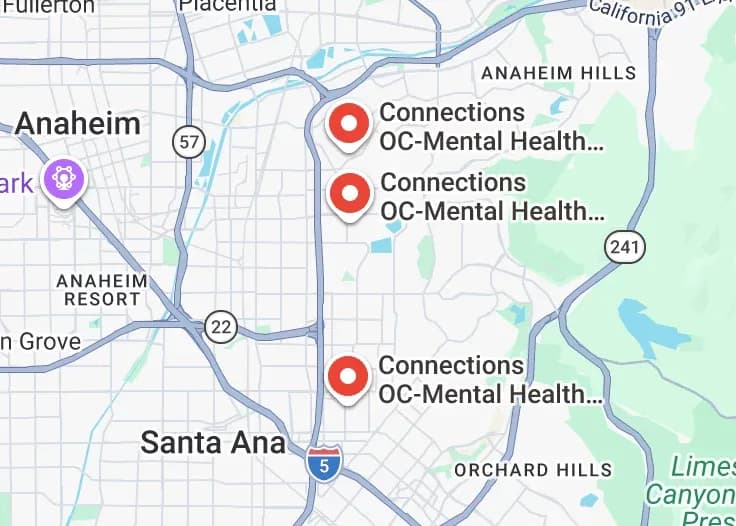
    Tustin, CATustin, CAVilla Park, CAVilla Park, CAOrange, CAOrange, CA
    Location Preview
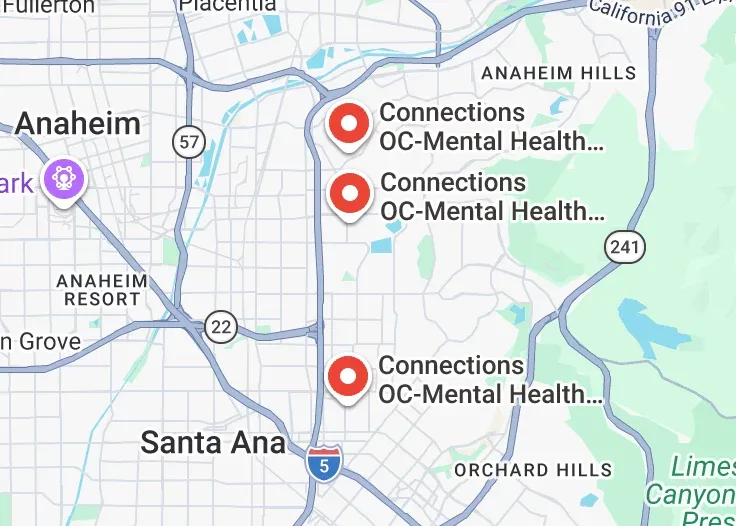
Tustin, CATustin, CAVilla Park, CAVilla Park, CAOrange, CAOrange, CA
Location Preview
Tustin, CATustin, CAVilla Park, CAVilla Park, CAOrange, CAOrange, CA
Location Preview
Areas We Serve

Why I should relocate for rehab?

Menu CTA Image
Mental Health Disorders
Anxiety Disorders
  • Generalized Anxiety Disorder
  • Panic Disorder
  • Obsessive Compulsive Disorder
  • Social Anxiety Disorder
  • Agoraphobia
Mood Disorders
  • Depression Treatment (MentalHealth National)
  • Bipolar Disorder
  • Premenstrual Dysphoric Disorder
  • Disruptive Mood Dysregulation Disorder
  • Major Depressive Disorder
  • Persistent Depressive Disorder
  • Seasonal Affective Disorder
Trauma Disorders
  • Post Traumatic Stress Disorder
  • Adjustment Disorder
Personality Disorders
  • Borderline Personality Disorder
  • Antisocial Personality Disorder
  • Dissociative Identity Disorder
  • Histrionic Personality Disorder
  • Paranoid Personality Disorder
Psychotic Disorders
  • Schizophrenia
  • Schizoaffective Disorder
Neurodevelopment Disorder Treatment (MentalHealth National)
  • ADHD
Areas We Serve

Why I should relocate for rehab?

Menu CTA Image
Mental Health Treatment

Mental Health Treatment

Get dual-diagnosis treatment for SUD and mental health

888-255-2112
  • Cognitive Behavioral TherapyCognitive Behavioral Therapy
  • Dialectical Behavioral TherapyDialectical Behavioral Therapy
  • Seeking Safety TreatmentSeeking Safety Treatment
  • Motivational InterviewingMotivational Interviewing
  • Medication ManagementMedication Management
Areas We Serve

Why I should relocate for rehab?

Menu CTA Image
Contact
657-298-1982
657-298-1982
Skip to content
Inpatient Alcohol Rehab Treatment
Outpatient Alcohol Rehab Treatment

Paranoid Personality Disorder: Definition, Symptoms, & Treatment

Picture of Written By:
Written By:

Matthew D'Ursov

Picture of Content Manager:
Content Manager:

Amy Leifeste

Picture of Editor:
Editor:

Karena Mathis

We understand recovery, we can help
  • Personalized, Addiction Treatment
    Programs for Every Individual
  • Masters-level addiction therapists
  • Most major insurance accepted
Call Now! 844-759-0999
Verify Your Insurance

Table of Contents

Have you noticed someone in your life exhibiting acute mistrust and suspicion toward others, with their paranoia altering their perception of the world?

If so, this guide will help you to recognize and address PPD (paranoid personality disorder). Read on to discover:

  • What is paranoid personality disorder?
  • What are the causes of paranoid personality disorder?
  • Loving someone with paranoid personality disorder: how to communicate with someone with paranoid personality disorder effectively.
  • How to treat paranoid personality disorder effectively.
  • How to engage with evidence-based treatments for paranoid personality disorder in Southern California.

Get Personalized Addiction Care at The Connections Mental Health

Our rehab centers help men and women who are struggling with addictions, substance abuse and mental health disorders. We also provide treatment exclusively to International Association of Fire Fighters (IAFF) members at our Maryland facility, the IAFF Center of Excellence for Behavioral Health Treatment and Recovery.

Find a Location
See Our Admissions Process
Read Our Success Stories

What is Paranoid Personality Disorder?

Paranoid personality disorder is a mental health condition characterized by a persistent inclination toward distrust and suspicion of others, even in situations where there is no substantial basis for such suspicions — this is the definition of paranoia. Individuals with PPD often believe that others intend to degrade, harm, or threaten them.

Interestingly, those with PPD frequently do not perceive their paranoid behavior or thought patterns as problematic. This is a hallmark of the condition.

Paranoid personality disorder, sometimes referred to as a paranoia disorder, belongs to a group known as cluster A personality disorders, which includes individuals who show unusual or eccentric thinking patterns and behaviors.

Unlike conditions such as schizophrenia, schizoaffective disorder, or severe manic episodes in bipolar disorder, people with paranoid personality disorder do not experience delusions or hallucinations as part of their paranoia. This distinction separates PPD from these other disorders.

an image representing paranoid personality disorder

Paranoid Personality Disorder Symptoms

There is no paranoid personality disorder test. Instead, PPD is diagnosed according to the criteria for paranoid personality disorder outlined in the latest edition of APA’s Diagnostic and Statistical Manual of Mental Disorders – DSM-5-TR (https://www.psychiatry.org/psychiatrists/practice/dsm).

Individuals grappling with paranoid personality disorder maintain an ongoing sense of vigilance, convinced that others are consistently engaged in efforts to belittle, harm, or menace them. These convictions, although generally unfounded, coupled with their inclination to assign blame and foster distrust, obstruct their capacity to cultivate meaningful relationships and even functional interactions. As a result, those with PPD significantly curtail their social interactions.

Common signs of paranoid personality disorder include:

Questioning the intentions of others

Harbor doubts about the commitment, loyalty, or reliability of others, suspecting ulterior motives or deceitful actions.

Reluctance to share

Hesitate to confide in others or divulge personal details, fearing that this information could be exploited against them.

Grudge-bearing

Display an inclination to hold grudges and reluctance to forgive.

Sensitive to criticism

React intensely to criticism, displaying hypersensitivity.

Unearth hidden meanings

Interpret innocent remarks or casual glances as harboring concealed meanings.

Perceive attacks

Sense character assaults that evade detection by others.

Unjustified jealousy

Foster unwarranted suspicions of infidelity in their romantic partners.

Distance and control

Adopt a distant, chilly demeanor in relationships and may resort to controlling behavior out of a fear of betrayal.

Self-righteousness

Blinded to their contribution in conflicts, firmly believing in their perpetual correctness

Restlessness

Struggle with relaxation and ease.

Hostility and argumentativeness

Display traits of hostility, stubbornness, and a tendency for argumentation.

Understanding the intricate traits and tendencies associated with PPD can help you provide support and empathy for individuals facing this challenge.

Ensuring that the person connects with professional guidance can help them navigate the complexities of this disorder and its impact on relationships and daily life.

img src=”IMAGE_URL” alt=”therapy session representing adjustment disorder symptoms”>

Helping a Loved One with Paranoid Personality Disorder

Assisting a loved one who grapples with paranoid personality disorder requires understanding, patience, and empathy. Here are some compassionate strategies to help support them.

Educate yourself

Learn about PPD to gain insights into the disorder, its symptoms, and potential challenges. This knowledge can promote understanding and diminish misconceptions.

Maintain open communication

Establish a safe space for open dialogue. Encourage your loved one to express their thoughts and feelings without judgment. Listen attentively and validate their experiences.

Respect boundaries

Individuals with PPD may have heightened boundaries. Respect their need for personal space and privacy, while also expressing your willingness to support them.

Avoid confrontation

Engaging in confrontational discussions might escalate tension. Instead, choose a non-confrontational approach when addressing sensitive topics.

Offer reassurance

Gently reassure your loved one that your intentions are genuine and supportive. Reiterate your commitment to the relationship..

Encourage professional help

Suggest seeking guidance from mental health professionals experienced in treating personality disorders. Encourage therapy as a safe environment for addressing their concerns.

Promote self-care

Suggest self-care practices that contribute to emotional well-being. This might include engaging in hobbies, practicing relaxation techniques, and maintaining a healthy lifestyle.

Avoid enabling

While providing support, avoid enabling behaviors that reinforce unhealthy patterns. Encourage growth while maintaining appropriate boundaries.

Focus on shared activities

Engage in activities that foster positive interactions and shared interests. This can help strengthen your bond and create enjoyable moments together.

Seek support for yourself

Caring for someone with PPD can be challenging. Consider seeking support for yourself through therapy, support groups, or confiding in trusted friends or family members..

Remain non-judgmental

Offer empathy and understanding without passing judgment on their thoughts or behaviors. Validate their emotions even if you don’t fully comprehend their perspective.

Treatment for Paranoid Personality Disorder

Finding appropriate paranoid personality disorder treatment can be a transformative step toward managing its challenges. While treatment may not entirely eliminate PPD traits, it can help individuals enhance their quality of life and relationships.

Effective treatment for PPD primarily centers around psychotherapy – informally known as talk therapy – in the absence of any effective paranoid personality disorder medication. Psychotherapy can offer valuable tools and strategies for individuals facing this challenge. Collaborating with a therapist can empower your loved one, enhance trust, refine communication skills, and manage PPD symptoms. Considering the potential amplification of paranoid thoughts in group settings, individual therapy is often recommended.

CBT (cognitive behavioral therapy) serves as a cornerstone for treating PPD by facilitating essential changes in thought processes. A therapist proficient in CBT can guide your loved one in recognizing and challenging detrimental beliefs and thought patterns. By altering the influence of these beliefs on behavior, CBT contributes to diminishing paranoia and improving interpersonal interactions. Beyond this, CBT equips people with healthier mechanisms to navigate emotions, steering clear of impulsive reactions.

While addressing PPD demands patience and dedication, integrating psychotherapy like CBT can lead to transformative progress, improving their ability to navigate relationships and manage their condition effectively.

an image of someone dealing with depression

Get Treatment for Paranoid Personality Disorder at Connections

For those seeking whole-body healing from personality disorders like PPD, we specialize in the treatment of mental health disorders at Connections Mental Health in Southern California.

Paranoid personality disorder can lead to a disruptive and jarring experience. Our compassionate team of experts believes in treating the whole person rather than the symptoms, so place your trust in Connections and you will be rewarded with a welcoming, inclusive beachside setting that feels more like a home than a hospital.

Despite the tranquil and relaxed backdrop, you can access cutting edge psychiatric care blended with holistic treatments at our beachside facility.

If paranoid personality disorder is compromising the life of you or a loved one, engage with inpatient treatment at Connections to make lasting behavioral changes and improve overall functioning. Call admissions when you are ready to live unconstrained by paranoid personality disorder.

image of woman representing paranoia disorders

Related Blogs

Check out our addiction recovery blog to learn more about substance use disorders and how to get effective treatment.

Does Insurance Cover Residential Mental Health Treatment?

Insurance may cover residential mental health treatment, but coverage depends heavily on your specific insurance plan, clinical needs, and how care is classified. In many

Why Do I Feel Like Everyone Hates Me?

Hydromorphone, marketed under the brand names Dilaudid and Exalgo, is a potent semi-synthetic opioid pain reliever utilized in hospital settings and as a component of long-term treatment plans for individuals who are tolerant to opioids and experiencing severe pain.

Overstimulated Meaning

Hydromorphone, marketed under the brand names Dilaudid and Exalgo, is a potent semi-synthetic opioid pain reliever utilized in hospital settings and as a component of long-term treatment plans for individuals who are tolerant to opioids and experiencing severe pain.

What to Expect During Inpatient Mental Health Stay

Hydromorphone, marketed under the brand names Dilaudid and Exalgo, is a potent semi-synthetic opioid pain reliever utilized in hospital settings and as a component of long-term treatment plans for individuals who are tolerant to opioids and experiencing severe pain.

Residential vs Inpatient Mental Health Treatment

Hydromorphone, marketed under the brand names Dilaudid and Exalgo, is a potent semi-synthetic opioid pain reliever utilized in hospital settings and as a component of long-term treatment plans for individuals who are tolerant to opioids and experiencing severe pain.

can I check myself into a mental hospital

Hydromorphone, marketed under the brand names Dilaudid and Exalgo, is a potent semi-synthetic opioid pain reliever utilized in hospital settings and as a component of long-term treatment plans for individuals who are tolerant to opioids and experiencing severe pain.
View Other Topics

What Our Clients Say

5 Star Google Reviews

Where You’ll Be Staying

We strive to provide a comfortable, home-like environment during your recovery journey. Browse our facility images below to take a look at our upscale residential facilities.


Tour Our Facilities
rectangle-250-1-68b941b299489.webp
rectangle-251-1-1-68b941b47d396.webp
rectangle-250-2-68b941b9428a8.webp
rectangle-251-2-68b941bad8a4b.webp
Tour Our Facilities

Paying Out Of Pocket without Insurance

Range $5,000 to $60,000

If you can’t pay your co-pay amount

Call us we will work with you

Paying Out Of Pocket with Insurance

Range $0 to $12,000

(Depending on insurance plan)

We Accept Most Major Insurance

View our wide selection of accepted providers. Don’t see yours? Call our admissions team for help.

844-759-0999
Verify Insurance

Related Pages

Best Residential Outpatient Rehab Mental Health Centers in the Country

Best Residential IOP Rehab Mental Health Centers in the Country

Best Residential Inpatient Rehab Mental Health Centers in the Country

Best Residential Addiction Therapists Counselors Rehab Mental Health Centers in the Country

California Depression Treatment (Residential Mental Health Treatment Centers)

California Bipolar Disorder Treatment (Residential Mental Health Treatment Centers)

California Neurodevelopment Disorder Treatment (Residential Mental Health Treatment Centers)

California Eating Disorders Treatment (Residential Mental Health Treatment Centers)

California Psychotic Disorders Treatment (Residential Mental Health Treatment Centers)

California Personality Disorders Treatment (Residential Mental Health Treatment Centers)

California PTSD Treatment (Residential Mental Health Treatment Centers)

California Inpatient Trauma Disorder Treatment (Residential Mental Health Treatment Centers)

California Inpatient PTSD Treatment (Residential Mental Health Treatment Centers)

California Trauma Disorder Treatment (Residential Mental Health Treatment Centers)

California IOP Rehab (Residential Mental Health Treatment Centers)

California EMDR Therapy (Residential Mental Health Treatment Centers)

California Inpatient Obsessive Compulsive Disorde Treatment (Residential Mental Health Treatment Centers)

California Anxiety Disorders Treatment (Residential Mental Health Treatment Centers)

California Outpatient Rehab (Residential Mental Health Treatment Centers)

California Inpatient Rehab (Residential Mental Health Treatment Centers)

California DBT Therapy (Residential Mental Health Treatment Centers)

California Cognitive Behavioral Therapy Therapy (Residential Mental Health Treatment Centers)

California Talk Therapy (Residential Mental Health Treatment Centers)

California Addiction Therapists Counselors Rehab (Residential Mental Health Treatment Centers)

Outpatient Rehab near Yorba Linda (Residential Mental Health Treatment Centers)

Outpatient Rehab near Westminster (Residential Mental Health Treatment Centers)

Villa Park Outpatient Rehab (Residential Mental Health Treatment Centers)

Tustin Outpatient Rehab (Residential Mental Health Treatment Centers)

Outpatient Rehab near Stanton (Residential Mental Health Treatment Centers)

Outpatient Rehab near Seal Beach (Residential Mental Health Treatment Centers)

Outpatient Rehab near Santa Ana (Residential Mental Health Treatment Centers)

Outpatient Rehab near San Juan Capistrano (Residential Mental Health Treatment Centers)

Does Insurance Cover Residential Mental Health Treatment?

What Is the Goal of Therapy?

Why Do I Feel Like Everyone Hates Me? Tips & What to Do

What Are Common Signs of Overstimulation in Adults?

What to Expect at an Inpatient Behavioral Health Hospital

Residential vs. Inpatient Mental Health Treatment

You’re Not Alone.

Get treatment from a team of expert staff who is passionate about helping you experience peace.

Call Now
an image of the Connections Mental Health logo

Tustin
DHCS # MHBL240478
Exp 1/10/27

Joint Commission HCO ID: 690880
Effective Date: 3/8/2025

Villa Park
DHCS #MHBL240509
Exp 9/4/26

Joint Commission HCO ID: 690880
Effective Date: 3/8/2025

Orange
DHCS #MHBT260570
Exp 4/8/27

Joint Commission HCO ID: 690880
Effective Date: 3/8/2025

  • 17811 Bigelow Park, Tustin, CA 92780
  • 17841 Lincoln St Villa Park, CA 92861
  • 2403 N Shady Forest Ln Orange, CA 92867
  • Privacy Policy
  • Sitemap
About Us

About Us

Effective residential inpatient mental health treatment.

Get to know us
Who We Are
  • Staff
  • Our Facilities
Resources
  • Blog
  • FAQ
  • Insurance Verification
  • Reviews
Areas We Serve

Why I should relocate for rehab?

Menu CTA Image
Locations

Locations

Choose from our beautiful locations near beaches & national parks.

888-255-2112
California
  • Orange County
    Tustin, CATustin, CAVilla Park, CAVilla Park, CAOrange, CAOrange, CA
    Location Preview
Tustin, CATustin, CAVilla Park, CAVilla Park, CAOrange, CAOrange, CA
Location Preview
Tustin, CATustin, CAVilla Park, CAVilla Park, CAOrange, CAOrange, CA
Location Preview
Areas We Serve

Why I should relocate for rehab?

Menu CTA Image
Mental Health Disorders
Anxiety Disorders
  • Generalized Anxiety Disorder
  • Panic Disorder
  • Obsessive Compulsive Disorder
  • Social Anxiety Disorder
  • Agoraphobia
Mood Disorders
  • Depression Treatment (MentalHealth National)
  • Bipolar Disorder
  • Premenstrual Dysphoric Disorder
  • Disruptive Mood Dysregulation Disorder
  • Major Depressive Disorder
  • Persistent Depressive Disorder
  • Seasonal Affective Disorder
Trauma Disorders
  • Post Traumatic Stress Disorder
  • Adjustment Disorder
Personality Disorders
  • Borderline Personality Disorder
  • Antisocial Personality Disorder
  • Dissociative Identity Disorder
  • Histrionic Personality Disorder
  • Paranoid Personality Disorder
Psychotic Disorders
  • Schizophrenia
  • Schizoaffective Disorder
Neurodevelopment Disorder Treatment (MentalHealth National)
  • ADHD
Areas We Serve

Why I should relocate for rehab?

Menu CTA Image
Mental Health Treatment

Mental Health Treatment

Get dual-diagnosis treatment for SUD and mental health

888-255-2112
  • Cognitive Behavioral TherapyCognitive Behavioral Therapy
  • Dialectical Behavioral TherapyDialectical Behavioral Therapy
  • Seeking Safety TreatmentSeeking Safety Treatment
  • Motivational InterviewingMotivational Interviewing
  • Medication ManagementMedication Management
Areas We Serve

Why I should relocate for rehab?

Menu CTA Image
Contact
Verify Insurance
Call Now

Where Lasting Mental Health Treatment Truly Begins

Connect with our compassionate clinicians to get a personalized mental health treatment plan designed around your needs.
844-759-0999

Learn more about the individual mental health disorders we treat by clicking a button below.

Schizophrenia Disorder
Schizoaffective Disorder
Premenstrual Disphoric Disorder (PMDD)
Cyclothymia
Hypomania
Major Depressive Disorder (MDD)
Disruptive Mood Disregulation Disorder (DMDD)Disorder
Persistent Depressive Disorder (PDD)
ADHD
Social Anxiety Disorder
Major Depressive Disorder (MDD)
Disruptive Mood Disregulation Disorder (DMDD)Disorder
Persistent Depressive Disorder (PDD)
ADHD
Social Anxiety Disorder
Autism Spectrum Disorder (ASD)
Generalized Anxiety Disorder
Social Anxiety Disorder
Agoraphobia
Separation Anxiety Disorder
Dissociative Panic Disorder
Antisocial Personality Disorder
Paranoid Personality Disorder
Adjustment Disorder
Borderline Personality Disorder
USERJOURNEYGUIDE
Website GuideHand-picked pages that help our visitors
0 of 11 visited
  • 1Protect your job while you come to treatment+ Recommended next step
  • 2Can Insurance cover rehab treatment?
  • 3Why Traveling or Staying Close to home can both be great options.
  • 4Locations & Galleries
  • 5Staff page
  • 6Reviews
  • 7What to bring to treatment
  • 8Treatment & Therapies we provide
  • 9Admissions Process
  • 10Contact Us
  • 11Residential Inpatient vs Hospital Inpatient