About Us

About Us

Effective residential inpatient mental health treatment.

Get to know us
Who We Are
  • Staff
  • Our Facilities
Resources
  • Blog
  • FAQ
  • Insurance Verification
  • Reviews
Areas We Serve

Why I should relocate for rehab?

Menu CTA Image
Locations

Locations

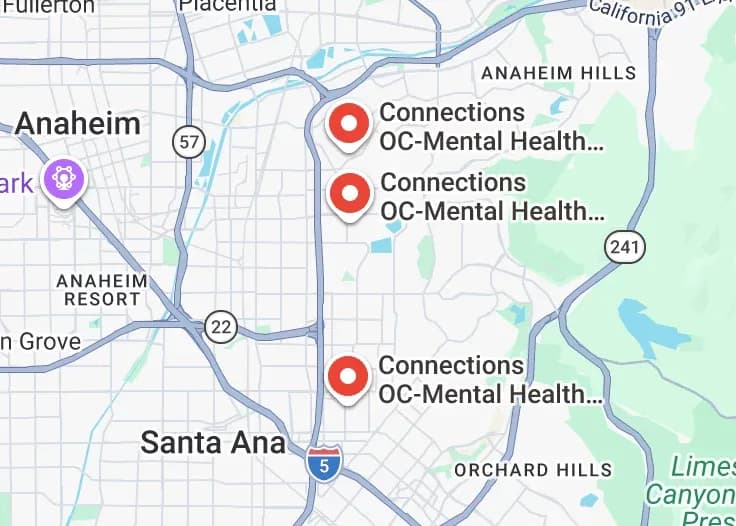
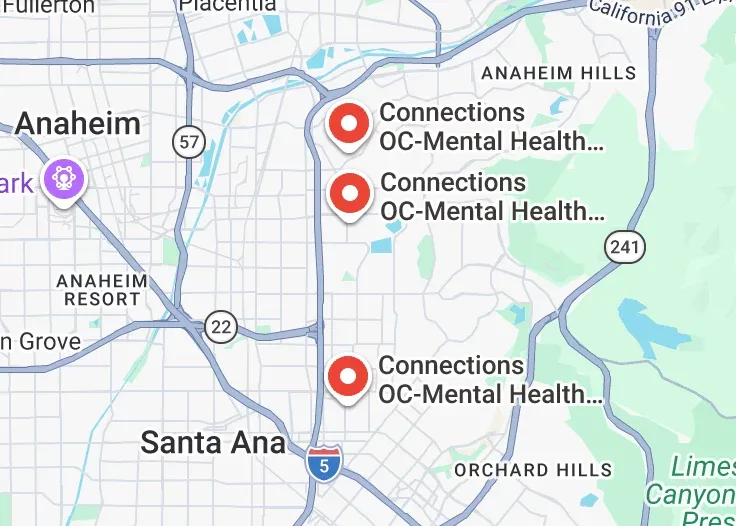
Choose from our beautiful locations near beaches & national parks.

888-255-2112
California
  • Orange County
    Tustin, CATustin, CAVilla Park, CAVilla Park, CAOrange, CAOrange, CA
    Location Preview
Tustin, CATustin, CAVilla Park, CAVilla Park, CAOrange, CAOrange, CA
Location Preview
Tustin, CATustin, CAVilla Park, CAVilla Park, CAOrange, CAOrange, CA
Location Preview
Areas We Serve

Why I should relocate for rehab?

Menu CTA Image
Mental Health Disorders
Anxiety Disorders
  • Generalized Anxiety Disorder
  • Panic Disorder
  • Obsessive Compulsive Disorder
  • Social Anxiety Disorder
  • Agoraphobia
Mood Disorders
  • Depression Treatment (MentalHealth National)
  • Bipolar Disorder
  • Premenstrual Dysphoric Disorder
  • Disruptive Mood Dysregulation Disorder
  • Major Depressive Disorder
  • Persistent Depressive Disorder
  • Seasonal Affective Disorder
Trauma Disorders
  • Post Traumatic Stress Disorder
  • Adjustment Disorder
Personality Disorders
  • Borderline Personality Disorder
  • Antisocial Personality Disorder
  • Dissociative Identity Disorder
  • Histrionic Personality Disorder
  • Paranoid Personality Disorder
Psychotic Disorders
  • Schizophrenia
  • Schizoaffective Disorder
Neurodevelopment Disorder Treatment (MentalHealth National)
  • ADHD
Areas We Serve

Why I should relocate for rehab?

Menu CTA Image
Mental Health Treatment

Mental Health Treatment

Get dual-diagnosis treatment for SUD and mental health

888-255-2112
  • Cognitive Behavioral TherapyCognitive Behavioral Therapy
  • Dialectical Behavioral TherapyDialectical Behavioral Therapy
  • Seeking Safety TreatmentSeeking Safety Treatment
  • Motivational InterviewingMotivational Interviewing
  • Medication ManagementMedication Management
Areas We Serve

Why I should relocate for rehab?

Menu CTA Image
Contact
657-298-1982
657-298-1982
Skip to content
Inpatient Alcohol Rehab Treatment
Outpatient Alcohol Rehab Treatment

Mood Disorders

Picture of Written By:
Written By:

Matthew D'Ursov

Picture of Content Manager:
Content Manager:

Amy Leifeste

Picture of Editor:
Editor:

Karena Mathis

We understand recovery, we can help
  • Personalized, Addiction Treatment
    Programs for Every Individual
  • Masters-level addiction therapists
  • Most major insurance accepted
Call Now! 844-759-0999
Verify Your Insurance

Table of Contents

Mood disorders encompass a category of severe mental health conditions. A list of mood disorders would include all types of depression and bipolar disorders.

These conditions can affect individuals of all ages, including children, teenagers, and adults. However, diagnosing mood disorders in children can be challenging due to their difficulty in expressing their emotions.

Thankfully, mood disorders can be effectively treated through various approaches, including therapy, medication, support systems, and self-care. With the right combination of treatments and compassionate care, individuals can manage and improve their mood disorder symptoms.

Get Personalized Addiction Care at The Connections Mental Health

Our rehab centers help men and women who are struggling with addictions, substance abuse and mental health disorders. We also provide treatment exclusively to International Association of Fire Fighters (IAFF) members at our Maryland facility, the IAFF Center of Excellence for Behavioral Health Treatment and Recovery.

Find a Location
See Our Admissions Process
Read Our Success Stories

What Are Mood Disorders?

What is mood disorder, then? Mood disorders, also known as affective disorders, encompass a broad range of conditions that profoundly affect mood and overall functioning. This inclusive term covers depressive disorders, as well as bipolar disorder, all of which significantly impact emotional state and overall well-being.

Within the realm of mood disorders, individuals may experience a spectrum of moods, ranging from persistent low mood (depression) to elevated or irritable moods (mania), as observed in the case of bipolar disorder. These conditions are characterized by dramatic shifts between these emotional extremes.

an image of someone with symptoms of persistent depressive disorder

Types of Mood Disorders

There are many types of mood disorder. Consider this mood disorders list:

Major depressive disorder

Affecting roughly 8% of the U.S. population, major depressive disorder is characterized by prolonged periods of profound sadness and despair

Persistent depressive disorder

This new diagnosis is another mood disorder example that encompasses chronic major depressive disorder, as well as depression lasting for two years or more, previously known as dysthymia.

Depression associated with physical illness

This form of depression manifests in response to the physical symptoms associated with an underlying medical condition.

Bipolar disorder

Formerly known as manic depression, bipolar disorder involves alternating periods of mania (elevated mood) and depression. Surprisingly common, bipolar affects nearly 1% of the U.S. population.

Cyclothymia

Characterized by emotional ups and downs, cyclothymia is a milder form of mood disturbance than bipolar disorders.

SAD (seasonal affective disorder)

Seasonal affective disorder is a type of depression that occurs in conjunction with reduced daylight hours, typically observed from fall to spring.

Disruptive mood dysregulation disorder

Dispruptive mood dysregulation disorder mainly affects children. Disruptive mood dysregulation disorder symptoms include chronic irritability and temper outbursts that are inconsistent with their age.

Premenstrual dysphoric disorder

Mood changes associated with a woman’s menstrual cycle, presenting in the week leading up to menstruation.

an image of someone dealing with a mental health disorder

Symptoms of Mood Disorders

Mood disorders encompass a wide range of conditions that can manifest with various emotional and behavioral symptoms. The specific symptoms experienced can vary depending on the type of mood disorder, but some common mood disorder symptoms include:

Persistent sadness

Prolonged and intense feelings of sadness, emptiness, or hopelessness that persist over time.

Loss of interest

Reduced interest or pleasure in activities that were once enjoyable, leading to a decreased desire to participate in social or recreational activities.

Changes in sleep patterns

Insomnia or excessive sleeping can be common symptoms of mood disorders.

Fatigue and low energy

A constant feeling of tiredness or lack of energy, even after adequate rest.

Appetite changes

Significant weight loss or gain due to changes in appetite and eating habits.

Difficulty concentrating

Trouble focusing, making decisions, or remembering details.

Feelings of worthlessness or guilt

Experiencing excessive guilt or feeling worthless, even when there is no apparent reason for such emotions.

Irritability or agitation

Frequent irritability, restlessness, or feelings of being on edge.

Suicidal thoughts

Persistent thoughts of death, self-harm, or suicidal ideation. Any mention of such thoughts should be taken seriously, and immediate professional help should be sought.

Mood swing

Rapid shifts between extreme emotional states, such as euphoria and depression, as seen in bipolar disorder.

Changes in activity levels

Increased agitation, restlessness, or slowed movements and speech.

Difficulty in relationships

Troubled interpersonal relationships, withdrawal from social interactions, or difficulty in maintaining personal connections.

Remember:

The intensity and duration of these symptoms can vary from person to person and depend on the specific mood disorder they are experiencing. If you or someone you know is experiencing these symptoms, seeking professional help will help ensure proper diagnosis and treatment. Early intervention and effective management can significantly improve the quality of life for individuals living with mood disorders.

Treatment for Mood Disorders

an image of an individual dealing with depression

While there is no specific mood disorder test, mood disorders are diagnosed according to the symptoms in DSM-5-TR (Diagnostic and Statistical Manual of Mental Disorders) or ICD 10 for mood disorder.

Effective treatment for mood disorders can help individuals manage their symptoms, improve their emotional well-being, and enhance their overall quality of life. The treatment approach may vary depending on the type and severity of the mood disorder, as well as the individual’s specific needs and circumstances.

Also known as talk therapy or counseling, psychotherapy is a fundamental component of mood disorder treatment. Different types of therapy, such as CBT (cognitive-behavioral therapy), interpersonal therapy, and DBT (dialectical behavior therapy), are tailored to address specific symptoms and thought patterns associated with the disorder. Through therapy, individuals can gain valuable coping skills, explore emotional challenges, and develop healthier ways to manage stress and negative emotions.

How Does Medication Help With Mood Disorder?

For some individuals, medications may be prescribed to help alleviate mood disorder symptoms. Antidepressants, mood stabilizers, and antipsychotic medications are commonly used to address depression, mania, and mood swings. It’s essential to work closely with a qualified healthcare professional to find the most suitable medication and dosage based on individual needs and potential side effects.

Group therapy sessions can provide a supportive and understanding environment where individuals with mood disorders can connect with others facing similar challenges. Sharing experiences and coping strategies can reduce feelings of isolation.

Adopting a healthy lifestyle plays a central role in managing mood disorders. Regular exercise, balanced nutrition, proper sleep, and stress-reduction techniques like mindfulness can improve overall well-being. Family involvement in treatment can also strengthen support systems and communication.

In cases where mood disorders co-occur with substance use or other mental health conditions, integrated treatment is essential. Recovery is an ongoing process, and continued care such as therapy sessions and follow-ups helps prevent relapse and maintain progress.

Get Compassionate Care for Mood Disorders at Connections Mental Health

an image of people learning about Connections mental health

At Connections Mental Health, we offer compassionate support to individuals facing mood disorders. Our primary objective is creating a secure and nurturing environment where healing and stability can be achieved through personalized care.

Our treatments are evidence-based and grounded in psychiatric science. We maintain around-the-clock supervision with trained staff to ensure safety and support.

We focus on treating the individual rather than just symptoms, providing a homely environment in Southern California. For more information or immediate assistance, call 888-255-2112.

Related Blogs

Check out our addiction recovery blog to learn more about substance use disorders and how to get effective treatment.

Does Insurance Cover Residential Mental Health Treatment?

Insurance may cover residential mental health treatment, but coverage depends heavily on your specific insurance plan, clinical needs, and how care is classified. In many

Why Do I Feel Like Everyone Hates Me?

Hydromorphone, marketed under the brand names Dilaudid and Exalgo, is a potent semi-synthetic opioid pain reliever utilized in hospital settings and as a component of long-term treatment plans for individuals who are tolerant to opioids and experiencing severe pain.

Overstimulated Meaning

Hydromorphone, marketed under the brand names Dilaudid and Exalgo, is a potent semi-synthetic opioid pain reliever utilized in hospital settings and as a component of long-term treatment plans for individuals who are tolerant to opioids and experiencing severe pain.

What to Expect During Inpatient Mental Health Stay

Hydromorphone, marketed under the brand names Dilaudid and Exalgo, is a potent semi-synthetic opioid pain reliever utilized in hospital settings and as a component of long-term treatment plans for individuals who are tolerant to opioids and experiencing severe pain.

Residential vs Inpatient Mental Health Treatment

Hydromorphone, marketed under the brand names Dilaudid and Exalgo, is a potent semi-synthetic opioid pain reliever utilized in hospital settings and as a component of long-term treatment plans for individuals who are tolerant to opioids and experiencing severe pain.

can I check myself into a mental hospital

Hydromorphone, marketed under the brand names Dilaudid and Exalgo, is a potent semi-synthetic opioid pain reliever utilized in hospital settings and as a component of long-term treatment plans for individuals who are tolerant to opioids and experiencing severe pain.
View Other Topics

What Our Clients Say

5 Star Google Reviews

Where You’ll Be Staying

We strive to provide a comfortable, home-like environment during your recovery journey. Browse our facility images below to take a look at our upscale residential facilities.


Tour Our Facilities
rectangle-250-1-68b941b299489.webp
rectangle-251-1-1-68b941b47d396.webp
rectangle-250-2-68b941b9428a8.webp
rectangle-251-2-68b941bad8a4b.webp
Tour Our Facilities

Paying Out Of Pocket without Insurance

Range $5,000 to $60,000

If you can’t pay your co-pay amount

Call us we will work with you

Paying Out Of Pocket with Insurance

Range $0 to $12,000

(Depending on insurance plan)

We Accept Most Major Insurance

View our wide selection of accepted providers. Don’t see yours? Call our admissions team for help.

844-759-0999
Verify Insurance

Related Pages

Best Residential Outpatient Rehab Mental Health Centers in the Country

Best Residential IOP Rehab Mental Health Centers in the Country

Best Residential Inpatient Rehab Mental Health Centers in the Country

Best Residential Addiction Therapists Counselors Rehab Mental Health Centers in the Country

California Depression Treatment (Residential Mental Health Treatment Centers)

California Bipolar Disorder Treatment (Residential Mental Health Treatment Centers)

California Neurodevelopment Disorder Treatment (Residential Mental Health Treatment Centers)

California Eating Disorders Treatment (Residential Mental Health Treatment Centers)

California Psychotic Disorders Treatment (Residential Mental Health Treatment Centers)

California Personality Disorders Treatment (Residential Mental Health Treatment Centers)

California PTSD Treatment (Residential Mental Health Treatment Centers)

California Inpatient Trauma Disorder Treatment (Residential Mental Health Treatment Centers)

California Inpatient PTSD Treatment (Residential Mental Health Treatment Centers)

California Trauma Disorder Treatment (Residential Mental Health Treatment Centers)

California IOP Rehab (Residential Mental Health Treatment Centers)

California EMDR Therapy (Residential Mental Health Treatment Centers)

California Inpatient Obsessive Compulsive Disorde Treatment (Residential Mental Health Treatment Centers)

California Anxiety Disorders Treatment (Residential Mental Health Treatment Centers)

California Outpatient Rehab (Residential Mental Health Treatment Centers)

California Inpatient Rehab (Residential Mental Health Treatment Centers)

California DBT Therapy (Residential Mental Health Treatment Centers)

California Cognitive Behavioral Therapy Therapy (Residential Mental Health Treatment Centers)

California Talk Therapy (Residential Mental Health Treatment Centers)

California Addiction Therapists Counselors Rehab (Residential Mental Health Treatment Centers)

Outpatient Rehab near Yorba Linda (Residential Mental Health Treatment Centers)

Outpatient Rehab near Westminster (Residential Mental Health Treatment Centers)

Villa Park Outpatient Rehab (Residential Mental Health Treatment Centers)

Tustin Outpatient Rehab (Residential Mental Health Treatment Centers)

Outpatient Rehab near Stanton (Residential Mental Health Treatment Centers)

Outpatient Rehab near Seal Beach (Residential Mental Health Treatment Centers)

Outpatient Rehab near Santa Ana (Residential Mental Health Treatment Centers)

Outpatient Rehab near San Juan Capistrano (Residential Mental Health Treatment Centers)

Does Insurance Cover Residential Mental Health Treatment?

What Is the Goal of Therapy?

Why Do I Feel Like Everyone Hates Me? Tips & What to Do

What Are Common Signs of Overstimulation in Adults?

What to Expect at an Inpatient Behavioral Health Hospital

Residential vs. Inpatient Mental Health Treatment

You’re Not Alone.

Get treatment from a team of expert staff who is passionate about helping you experience peace.

Call Now
an image of the Connections Mental Health logo

Tustin
DHCS # MHBL240478
Exp 1/10/27

Joint Commission HCO ID: 690880
Effective Date: 3/8/2025

Villa Park
DHCS #MHBL240509
Exp 9/4/26

Joint Commission HCO ID: 690880
Effective Date: 3/8/2025

Orange
DHCS #MHBT260570
Exp 4/8/27

Joint Commission HCO ID: 690880
Effective Date: 3/8/2025

  • 17811 Bigelow Park, Tustin, CA 92780
  • 17841 Lincoln St Villa Park, CA 92861
  • 2403 N Shady Forest Ln Orange, CA 92867
  • Privacy Policy
  • Sitemap
About Us

About Us

Effective residential inpatient mental health treatment.

Get to know us
Who We Are
  • Staff
  • Our Facilities
Resources
  • Blog
  • FAQ
  • Insurance Verification
  • Reviews
Areas We Serve

Why I should relocate for rehab?

Menu CTA Image
Locations

Locations

Choose from our beautiful locations near beaches & national parks.

888-255-2112
California
  • Orange County
    Tustin, CATustin, CAVilla Park, CAVilla Park, CAOrange, CAOrange, CA
    Location Preview
Tustin, CATustin, CAVilla Park, CAVilla Park, CAOrange, CAOrange, CA
Location Preview
Tustin, CATustin, CAVilla Park, CAVilla Park, CAOrange, CAOrange, CA
Location Preview
Areas We Serve

Why I should relocate for rehab?

Menu CTA Image
Mental Health Disorders
Anxiety Disorders
  • Generalized Anxiety Disorder
  • Panic Disorder
  • Obsessive Compulsive Disorder
  • Social Anxiety Disorder
  • Agoraphobia
Mood Disorders
  • Depression Treatment (MentalHealth National)
  • Bipolar Disorder
  • Premenstrual Dysphoric Disorder
  • Disruptive Mood Dysregulation Disorder
  • Major Depressive Disorder
  • Persistent Depressive Disorder
  • Seasonal Affective Disorder
Trauma Disorders
  • Post Traumatic Stress Disorder
  • Adjustment Disorder
Personality Disorders
  • Borderline Personality Disorder
  • Antisocial Personality Disorder
  • Dissociative Identity Disorder
  • Histrionic Personality Disorder
  • Paranoid Personality Disorder
Psychotic Disorders
  • Schizophrenia
  • Schizoaffective Disorder
Neurodevelopment Disorder Treatment (MentalHealth National)
  • ADHD
Areas We Serve

Why I should relocate for rehab?

Menu CTA Image
Mental Health Treatment

Mental Health Treatment

Get dual-diagnosis treatment for SUD and mental health

888-255-2112
  • Cognitive Behavioral TherapyCognitive Behavioral Therapy
  • Dialectical Behavioral TherapyDialectical Behavioral Therapy
  • Seeking Safety TreatmentSeeking Safety Treatment
  • Motivational InterviewingMotivational Interviewing
  • Medication ManagementMedication Management
Areas We Serve

Why I should relocate for rehab?

Menu CTA Image
Contact
Verify Insurance
Call Now

Where Lasting Mental Health Treatment Truly Begins

Connect with our compassionate clinicians to get a personalized mental health treatment plan designed around your needs.
844-759-0999

Learn more about the individual mental health disorders we treat by clicking a button below.

Schizophrenia Disorder
Schizoaffective Disorder
Premenstrual Disphoric Disorder (PMDD)
Cyclothymia
Hypomania
Major Depressive Disorder (MDD)
Disruptive Mood Disregulation Disorder (DMDD)Disorder
Persistent Depressive Disorder (PDD)
ADHD
Social Anxiety Disorder
Major Depressive Disorder (MDD)
Disruptive Mood Disregulation Disorder (DMDD)Disorder
Persistent Depressive Disorder (PDD)
ADHD
Social Anxiety Disorder
Autism Spectrum Disorder (ASD)
Generalized Anxiety Disorder
Social Anxiety Disorder
Agoraphobia
Separation Anxiety Disorder
Dissociative Panic Disorder
Antisocial Personality Disorder
Paranoid Personality Disorder
Adjustment Disorder
Borderline Personality Disorder
USERJOURNEYGUIDE
Website GuideHand-picked pages that help our visitors
0 of 11 visited
  • 1Protect your job while you come to treatment+ Recommended next step
  • 2Can Insurance cover rehab treatment?
  • 3Why Traveling or Staying Close to home can both be great options.
  • 4Locations & Galleries
  • 5Staff page
  • 6Reviews
  • 7What to bring to treatment
  • 8Treatment & Therapies we provide
  • 9Admissions Process
  • 10Contact Us
  • 11Residential Inpatient vs Hospital Inpatient