Seeking Safety is a contemporary, research-backed treatment approach designed to simultaneously address PTSD (post-traumatic stress disorder) and substance use disorder (addiction). Developed in the 1990s and supported by NIDA (National Institute on Drug Abuse), this model was formalized with the publication of its evidence-based treatment manual in 2002.
If you are unfamiliar with this approach to dual diagnosis treatment, read on to discover:
What is Seeking Safety therapy?
Is the Seeking Safety model evidence-based?
How to engage with mental health treatment in California.
Get Personalized Addiction Care at The Connections Mental Health
Our rehab centers help men and women who are struggling with addictions, substance abuse and mental health disorders. We also provide treatment exclusively to International Association of Fire Fighters (IAFF) members at our Maryland facility, the IAFF Center of Excellence for Behavioral Health Treatment and Recovery.
Seeking Safety therapy is an innovative treatment approach that addresses the unique challenges faced by individuals coping with PTSD and co-occurring substance use disorders. This therapy is grounded in science-backed practices and was developed with a focus on practicality and effectiveness.
At its core, Seeking Safety therapy is structured to provide a safe space where individuals can learn to manage their PTSD symptoms without resorting to self-medication with addictive substances. The treatment emphasizes coping skills, emotion regulation, and resilience-building techniques. It is designed to be highly flexible, making it adaptable to various settings and suitable for a diverse range of clients.
Integration of treatment
It uniquely combines treatments for PTSD and substance abuse, due to the interconnected nature of these two conditions and the proven superiority of integrated, coordinated treatment over treating each condition separately.
Present-focused therapy
The therapy emphasizes dealing with current issues and behavior, rather than probing past traumatic events. This approach helps in reducing the risk of re-traumatization and maintains a focus on current stability and safety.
Safety as the priority
The primary goal is to establish safety in the person’s thinking, behaviors, relationships, and emotions.
Coping skills
Seeking Safety therapy equips people with practical skills to deal with PTSD symptoms and the cravings associated with substance abuse. These skills are designed to be applicable in everyday life, aiding in long-term recovery and stability – Seeking Safety grounding exercises, for instance.
Flexibility and accessibility
Seeking Safety therapy is structured to be adaptable for different populations, settings, and treatment formats, whether in individual or group therapy settings.
What is the Primary Emphasis in the Seeking Safety Model?
The primary emphasis in the Seeking Safety model is on establishing safety from trauma and substance abuse. This foundational principle is seen as the first step in the healing process for both trauma and addiction.
Seeking Safety groups teach coping techniques to manage PTSD symptoms and substance use urges. These skills are practical and can be applied in everyday situations, helping individuals handle triggers without turning to substance use.
Rather than focusing on traumatic past events, Seeking Safety is present-focused. This approach reduces the risk of re-traumatization and emphasizes immediate stability and safe coping strategies.
The model also aims to build self-efficacy by encouraging individuals to recognize their strengths, practice self-care, and develop autonomy in their recovery journey.
Is Seeking Safety an Evidence Based Practice?
Seeking Safety is recognized as an evidence-based practice. The development of the model was based on extensive research. Many clinical trials and studies have been conducted to evaluate the effectiveness of the Seeking Safety model. These studies have consistently shown positive outcomes, particularly in helping individuals improve coping skills, reduce symptoms of PTSD and substance abuse, and enhance overall quality of life.
Here’s a brief summary of three of these studies:
In 2016, a study looked at how trauma passed down through generations and substance abuse affected Aboriginal people in Canada. It found that combining traditional healing with Seeking Safety methods improved their health and well-being.
A 2017 study tested how well Seeking Safety works alongside a traditional 12-step recovery program. The results showed that it significantly helped clients improve their coping skills.
A 2008 study indicated that Seeking Safety might be helpful for homeless women and could be used by caseworkers. However, it was not clear if the benefits were unique compared to other therapies.
The model has been featured in peer-reviewed publications and is widely used by mental health and addiction treatment professionals.
Benefits of Seeking Safety Therapy
Seeking Safety therapy offers many benefits for people dealing with PTSD and substance abuse. It is designed to support recovery and improve overall well-being.
Focus on practical coping skills
The therapy equips people with practical and effective coping strategies to manage PTSD symptoms and substance abuse cravings. These skills are invaluable for navigating daily challenges and reducing the risk of relapse.
Improvement in safety and stability
By prioritizing safety in thoughts, behaviors, relationships, and emotions, people can learn to establish a more stable and secure life. This focus on safety is crucial for individuals who have experienced trauma and addiction.
Empowerment and self-efficacy
Seeking Safety empowers people by enhancing their sense of self-efficacy. It encourages them to recognize their strengths and capabilities, promoting more confidence and independence in managing their recovery independently.
Reduction in symptoms of PTSD
Many studies have shown that individuals who engage with Seeking Safety therapy experience a significant reduction in the symptoms of both PTSD, leading to improved quality of life
Flexibility and adaptability
The therapy is adaptable to various settings and populations, making it accessible to a wide range of people. It can be implemented in individual or group formats, in outpatient or inpatient settings, and is suitable for diverse demographics.
Enhanced relationship skills
Seeking Safety therapy often includes components that focus on improving relationship skills, which is always beneficial for individuals who have experienced trauma and struggle with interpersonal relationships.
Promotion of healthy lifestyle choices
People are encouraged to adopt healthier lifestyle choices, including self-care practices and grounding techniques. Seeking Safety therapy helps people to maintain long-term mental well-being.
Non-traumatizing approach
As a present-focused therapy, Seeking Safety avoids dwelling on past traumatic events, minimizing the risk of re-traumatization and making it a safer choice for many people.
Seeking Safety Treatment at Connections Mental Health
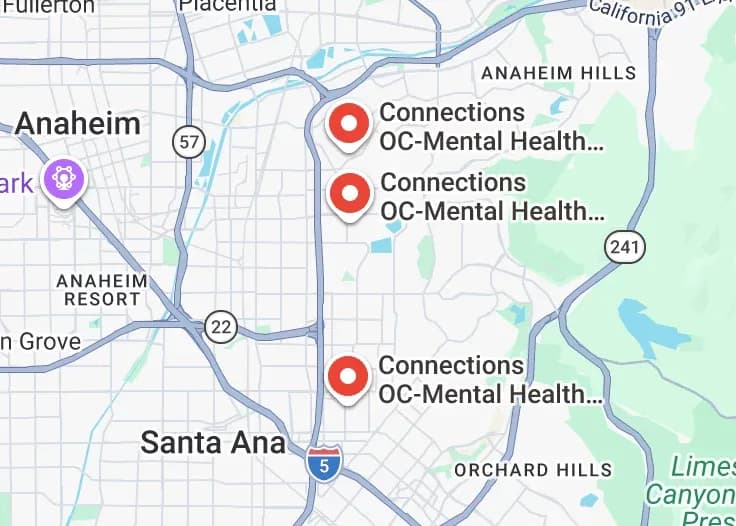
If you need support for PTSD-related issues, we offer residential treatment programs at Connections Mental Health in Southern California.
Our team provides science-backed mental health treatment, including Seeking Safety therapy, to help improve well-being and daily functioning.
You can receive care alongside peers with similar challenges in a small group setting to ensure individual attention.
Call 888-255-2112 to learn more about Seeking Safety treatment in California.
Related Blogs
Check out our addiction recovery blog to learn more about substance use disorders and how to get effective treatment.
Insurance may cover residential mental health treatment, but coverage depends heavily on your specific insurance plan, clinical needs, and how care is classified. In many
Hydromorphone, marketed under the brand names Dilaudid and Exalgo, is a potent semi-synthetic opioid pain reliever utilized in hospital settings and as a component of long-term treatment plans for individuals who are tolerant to opioids and experiencing severe pain.
Hydromorphone, marketed under the brand names Dilaudid and Exalgo, is a potent semi-synthetic opioid pain reliever utilized in hospital settings and as a component of long-term treatment plans for individuals who are tolerant to opioids and experiencing severe pain.
Hydromorphone, marketed under the brand names Dilaudid and Exalgo, is a potent semi-synthetic opioid pain reliever utilized in hospital settings and as a component of long-term treatment plans for individuals who are tolerant to opioids and experiencing severe pain.
Hydromorphone, marketed under the brand names Dilaudid and Exalgo, is a potent semi-synthetic opioid pain reliever utilized in hospital settings and as a component of long-term treatment plans for individuals who are tolerant to opioids and experiencing severe pain.
Hydromorphone, marketed under the brand names Dilaudid and Exalgo, is a potent semi-synthetic opioid pain reliever utilized in hospital settings and as a component of long-term treatment plans for individuals who are tolerant to opioids and experiencing severe pain.
We strive to provide a comfortable, home-like environment during your recovery journey. Browse our facility images below to take a look at our upscale residential facilities.