About Us

About Us

Effective residential inpatient mental health treatment.

Get to know us
Who We Are
  • Staff
  • Our Facilities
Resources
  • Blog
  • FAQ
  • Insurance Verification
  • Reviews
Areas We Serve

Why I should relocate for rehab?

Menu CTA Image
Locations

Locations

Choose from our beautiful locations near beaches & national parks.

888-255-2112
California
  • Orange County
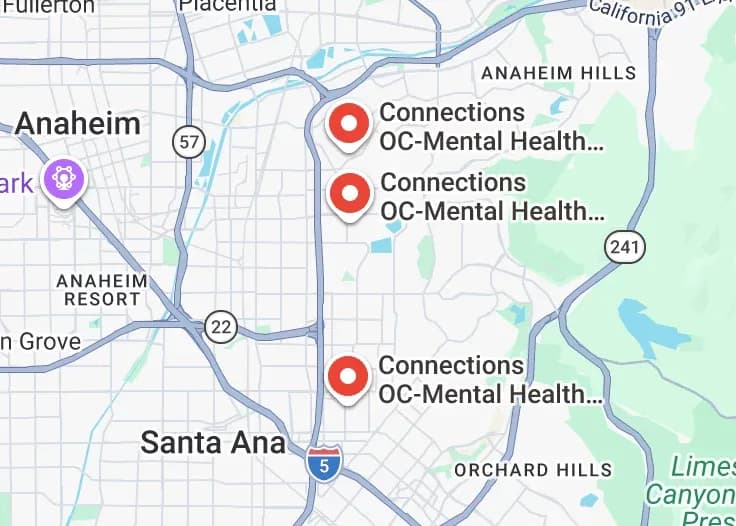
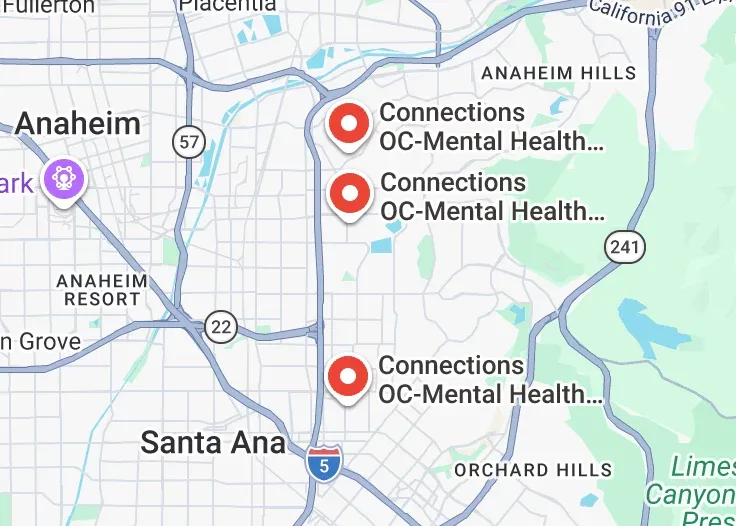
    Tustin, CATustin, CAVilla Park, CAVilla Park, CAOrange, CAOrange, CA
    Location Preview
Tustin, CATustin, CAVilla Park, CAVilla Park, CAOrange, CAOrange, CA
Location Preview
Tustin, CATustin, CAVilla Park, CAVilla Park, CAOrange, CAOrange, CA
Location Preview
Areas We Serve

Why I should relocate for rehab?

Menu CTA Image
Mental Health Disorders
Anxiety Disorders
  • Generalized Anxiety Disorder
  • Panic Disorder
  • Obsessive Compulsive Disorder
  • Social Anxiety Disorder
  • Agoraphobia
Mood Disorders
  • Depression Treatment (MentalHealth National)
  • Bipolar Disorder
  • Premenstrual Dysphoric Disorder
  • Disruptive Mood Dysregulation Disorder
  • Major Depressive Disorder
  • Persistent Depressive Disorder
  • Seasonal Affective Disorder
Trauma Disorders
  • Post Traumatic Stress Disorder
  • Adjustment Disorder
Personality Disorders
  • Borderline Personality Disorder
  • Antisocial Personality Disorder
  • Dissociative Identity Disorder
  • Histrionic Personality Disorder
  • Paranoid Personality Disorder
Psychotic Disorders
  • Schizophrenia
  • Schizoaffective Disorder
Neurodevelopment Disorder Treatment (MentalHealth National)
  • ADHD
Areas We Serve

Why I should relocate for rehab?

Menu CTA Image
Mental Health Treatment

Mental Health Treatment

Get dual-diagnosis treatment for SUD and mental health

888-255-2112
  • Cognitive Behavioral TherapyCognitive Behavioral Therapy
  • Dialectical Behavioral TherapyDialectical Behavioral Therapy
  • Seeking Safety TreatmentSeeking Safety Treatment
  • Motivational InterviewingMotivational Interviewing
  • Medication ManagementMedication Management
Areas We Serve

Why I should relocate for rehab?

Menu CTA Image
Contact
657-298-1982
657-298-1982
Skip to content

Can You Heal from Complex PTSD?

Picture of Written By:
Written By:

Matthew D'Ursov

Picture of Content Manager:
Content Manager:

Amy Leifeste

Picture of Editor:
Editor:

Karena Mathis

Posted On
May 9, 2024

Treatment Guidance Website Tour

After reading this current page, click on the next page we recommend here, or at the bottom of this page.

C-PTSD (complex post-traumatic stress disorder) often develops as a result of prolonged periods of trauma like ongoing domestic violence or sustained child abuse.

This condition shares many similarities with PTSD and BPD (borderline personality disorder). While complex PTSD can be aggravating and disruptive, it’s also treatable with talk therapies and medications.

What Is Complex PTSD?

Complex PTSD is a mental health condition that may develop from enduring long-term traumatic events. The disorder is characterized by stress-related responses, such as:

  • Anxiety
  • Flashbacks
  • Nightmares
  • Avoiding situations, places, or objects related to traumatic events
  • Intense emotional reactions like impulsiveness or aggression
  • Ongoing challenges in maintaining personal relationships

Chronic traumas often associated with the development of C-PTSD include:

  • Prolonged physical or sexual abuse during childhood
  • Extended exposure to domestic violence
  • Being a victim of human trafficking or sexual exploitation
  • Experiencing warfare
  • Regular exposure to violence in the community

Although CPTSD is frequently linked to trauma experienced in childhood, adults exposed at long-term traumatic events are also at risk of developing this condition.

Complex PTSD Symptoms

Symptoms of complex PTSD include the symptoms of post-traumatic stress disorder alongside additional symptoms unique to the experience of prolonged trauma.

PTSD symptoms include:

  • Reliving the traumatic experience: Experiencing nightmares or flashbacks of the trauma.
  • Avoidance: Steering clear of situations or activities—like large crowds or driving—that evoke memories of the trauma. This may also involve engaging in distractions to avoid thinking about the traumatic event.
  • Altered perceptions and beliefs: This could manifest as avoiding relationships, a lack of trust in others, or viewing the world as inherently dangerous.
  • Hyperarousal: A state of being perpetually on edge, which can disrupt sleep or concentration and may cause a heightened startle response to loud or sudden noises.
  • Somatic symptoms: Physical reactions without a medical basis, such as dizziness or nausea, triggered by reminders of the trauma.

Additional symptoms of C-PTSD include:

  • Emotional dysregulation: Experiencing overwhelming emotions, like intense anger or persistent sadness, that are difficult to manage.
  • Changes in consciousness: This may involve forgetting the trauma or feeling disconnected from emotions or physical self, a state described clinically as dissociation.
  • Negative self-perception: Feelings of guilt or shame that can lead to feeling fundamentally different from others.
  • Relationship challenges: Difficulty in forming or maintaining relationships due to mistrust or uncertainty about how to interact, or conversely, entering relationships that may be harmful because they feel familiar.
  • Distorted perception of the abuser: An obsession with the relationship to the abuser, which could also extend to thoughts of revenge or attributing excessive power to the abuser.
  • Loss of belief systems: A crisis of faith or belief systems, potentially leading to despair or a pervasive sense of hopelessness.

The manifestation of PTSD and C-PTSD symptoms can vary significantly from person to person, and even within the same individual over time – a person may oscillate between avoiding social interactions and seeking out potentially harmful situations, for example.

image depicting complex ptsd symptoms

Can Complex PTSD Be Treated?

There is no specific test to diagnose complex PTSD. Rather, a determination of the condition is made by a healthcare provider who evaluates symptoms, experiences of trauma, and mental health history. C-PTSD is diagnosed using the criteria outlined in the World Health Organization’s ICD-11 (International Classification of Diseases, 11th revised text).

Complex PTSD was only recognized as a distinct condition relatively recently, awareness of the condition among healthcare providers may vary, potentially complicating the process of obtaining an accurate diagnosis.

C-PTSD is treatable with a variety of evidence-based interventions. TF-CBT (trauma-focused cognitive behavioral therapy) is highly effective for managing complex PTSD. This form of talk therapy is delivered by mental health professionals to help those with C-PTSD alleviate symptoms, improve functioning, and enhance overall well-being. Therapy involves the following core components:

  • Understanding how your body reacts to stress and trauma.
  • Developing skills to manage symptoms effectively.
  • Identifying and altering harmful thought patterns.
  • Utilizing exposure therapy to gradually confront and cope with trauma-related fears.

Exposure therapy is especially beneficial for individuals with PTSD and C-PTSD who tend to avoid reminders of their trauma, so missing out on opportunities to learn coping mechanisms in the presence of these triggers.

CPT (cognitive processing therapy) is also beneficial to treating C-PTSD, targeting distressing thoughts and emotions stemming from the trauma, and helping people to process and reshape these perceptions.

EMDR (eye movement desensitization and reprocessing) is another therapeutic intervention that helps people heal from complex PTSD. Individuals focus on sounds or gestures delivered by the therapist while recalling traumatic events. This aims to reduce the distress associated with traumatic memories over time.

FDA (U.S. Food and Drug Administration) has not approved medications to treat PTSD or complex PTSD. That said, healthcare providers may prescribe medications to manage symptoms. C-PTSD medications include:

  • Antidepressants like SSRIs (selective serotonin reuptake inhibitors) or SNRIs (serotonin and norepinephrine reuptake inhibitors), to mitigate symptoms of depression or anxiety.
  • Anti-anxiety medications to reduce anxiety levels.
  • Sleep aids to address insomnia.

These treatments, whether therapeutic or pharmacological, aim to provide relief from the symptoms of C-PTSD, enhancing the quality of life for those affected by this condition. 

Treatment Solutions for Complex PTSD

If you feel that you or someone you care about would benefit from C-PTSD treatment, inpatient treatment is often covered by health insurance. Most people suffering from complex post-traumatic stress disorder find that symptoms become intrusive and unmanageable. This means that inpatient treatment will often be deemed medically necessary for recovery and eligible for health insurance coverage.

Call Connections today at 844-759-0999 to explore treatment solutions for complex PTSD and learn more about how insurance can help cover the cost of recovery.

an image of two people who got help at our complex ptsd treatment center in Orange County

Get Inpatient Treatment for Complex PTSD at Connections

Complex PTSD treatment can help anyone troubled by past traumas recalibrate their lives and stop living in fear of traumatic memories. At Connections, we treat PTSD and other mental health conditions in an inpatient setting, providing a welcoming and inclusive environment in which people can address trauma in a safe space.

When you engage with treatment at our luxury beachside facility, you’ll join a small number of peers dealing with similar issues. We admit just six people at one time to our beachside treatment center. This enables you to take advantage of peer support and encouragement while still benefiting from personal attention.

During a month at Connections, you’ll engage with a highly structured treatment program to help you deal with complex PTSD. This may include medication management, counseling, psychotherapies, trauma-focused care, and holistic therapies. You can expect to restore well-being, improve functioning, and acquire healthy coping skills for ongoing recovery.

Call 844-759-0999 today and start dealing with trauma-related issues right away.

PrevPrevious Post
Next PostNext

Related Articles

January 16, 2026

Does Insurance Cover Residential Mental Health Treatment?

October 7, 2025

Why Do I Feel Like Everyone Hates Me?

September 18, 2025

Overstimulated Meaning

Share This Article

Related Blogs

Check out our addiction recovery blog to learn more about substance use disorders and how to get effective treatment.

Does Insurance Cover Residential Mental Health Treatment?

What Is the Goal of Therapy?

Why Do I Feel Like Everyone Hates Me? Tips & What to Do

What Are Common Signs of Overstimulation in Adults?

What to Expect at an Inpatient Behavioral Health Hospital

Residential vs. Inpatient Mental Health Treatment

How to Admit Yourself to a Mental Hospital?

When To Seek Inpatient Mental Health Treatment At A Hospital

Inpatient Mental Health Crisis Treatment

How Long is Residential Mental Health Treatment?

What is Real Event OCD? Signs, Symptoms, and Treatment

What Is Harm OCD? Signs, Symptoms, and Treatment

Why Do I Zone Out So Much? Causes & What To Do

Sertraline (Zoloft) - Uses, Side Effects, and More

What is existential OCD: Signs, Symptoms, Triggers, & Treatment

Hyperfixation vs. Obsession: What’s the difference?

Am I Going Crazy? Understanding Your Mental Health Concerns

Are Your Nightmares Actually Trying to Warn You About Something?

What Is Obsessive Love Disorder? Symptoms, Causes, & Treatment

What Is Hyperfixations? How to Manage It

Best Residential Outpatient Rehab Mental Health Centers in the Country

Best Residential IOP Rehab Mental Health Centers in the Country

Best Residential DBT Therapy Mental Health Centers in the Country

Best Residential EMDR Therapy Mental Health Centers in the Country

Best Residential Depression Treatment Mental Health Centers in the Country

Depression Treatment near Yorba Linda (Residential Mental Health Treatment Centers)

Depression Treatment near Westminster (Residential Mental Health Treatment Centers)

Villa Park Depression Treatment (Residential Mental Health Treatment Centers)

Tustin Depression Treatment (Residential Mental Health Treatment Centers)

Depression Treatment near Stanton (Residential Mental Health Treatment Centers)

Depression Treatment near Seal Beach (Residential Mental Health Treatment Centers)

Depression Treatment near Santa Ana (Residential Mental Health Treatment Centers)

Depression Treatment near San Juan Capistrano (Residential Mental Health Treatment Centers)

Depression Treatment near San Clemente (Residential Mental Health Treatment Centers)

Depression Treatment near Rancho Santa Margarita (Residential Mental Health Treatment Centers)

Rehabs near Orange County FAQs

What types of mental health programs are available in Orange County?

Mental health programs near Orange County offer a full continuum of care, including inpatient treatment, partial hospitalization (PHP), intensive outpatient (IOP), and standard outpatient (OP) services. Whether you’re looking for structured care or flexible support, mental health treatment programs are designed to meet a range of needs.

How do I know if I need mental health treatment near Orange County?

If you’re experiencing persistent feelings of anxiety, depression, stress, mood changes, difficulty coping with daily responsibilities, or emotional challenges that are affecting your work, relationships, or overall well-being, it may be time to seek professional support. A mental health assessment can help determine the level of care that’s right for you and connect you with the appropriate treatment options.

What mental health conditions are treated at Orange County mental health centers?

Mental health treatment centers in Orange County commonly provide care for conditions such as anxiety disorders, depression, bipolar disorder, PTSD, trauma-related disorders, OCD, mood disorders, and other emotional or behavioral health concerns. Treatment plans are personalized to each individual’s unique needs, goals, and clinical recommendations.

Will my insurance cover mental health treatment in Orange County?

Many major insurance providers offer coverage for mental health services, including partial hospitalization (PHP), intensive outpatient (IOP), and outpatient treatment programs. Coverage varies by plan, so verifying your benefits with the treatment center can help you understand your available options and any potential out-of-pocket costs.


Website Guide Progress...

What most patients want to know before they book

1Protect your job while you come to treatmentNEXT2Can Insurance cover rehab treatment?NEXT3Why Traveling or Staying Close to home can both be great options.NEXT4Locations & GalleriesNEXT5Staff pageNEXT6ReviewsNEXT7What to bring to treatmentNEXT8Treatment & Therapies we provideNEXT9Admissions ProcessNEXT10Contact UsNEXT11Residential Inpatient vs Hospital InpatientNEXT

You’re Not Alone.

Get treatment from a team of expert staff who is passionate about helping you experience peace.

Call Now
an image of the Connections Mental Health logo

Tustin
DHCS # MHBL240478
Exp 1/10/27

Joint Commission HCO ID: 690880
Effective Date: 3/8/2025

Villa Park
DHCS #MHBL240509
Exp 9/4/26

Joint Commission HCO ID: 690880
Effective Date: 3/8/2025

Orange
DHCS #MHBT260570
Exp 4/8/27

Joint Commission HCO ID: 690880
Effective Date: 3/8/2025

  • 17811 Bigelow Park, Tustin, CA 92780
  • 17841 Lincoln St Villa Park, CA 92861
  • 2403 N Shady Forest Ln Orange, CA 92867
  • Privacy Policy
  • Sitemap
About Us

About Us

Effective residential inpatient mental health treatment.

Get to know us
Who We Are
  • Staff
  • Our Facilities
Resources
  • Blog
  • FAQ
  • Insurance Verification
  • Reviews
Areas We Serve

Why I should relocate for rehab?

Menu CTA Image
Locations

Locations

Choose from our beautiful locations near beaches & national parks.

888-255-2112
California
  • Orange County
    Tustin, CATustin, CAVilla Park, CAVilla Park, CAOrange, CAOrange, CA
    Location Preview
Tustin, CATustin, CAVilla Park, CAVilla Park, CAOrange, CAOrange, CA
Location Preview
Tustin, CATustin, CAVilla Park, CAVilla Park, CAOrange, CAOrange, CA
Location Preview
Areas We Serve

Why I should relocate for rehab?

Menu CTA Image
Mental Health Disorders
Anxiety Disorders
  • Generalized Anxiety Disorder
  • Panic Disorder
  • Obsessive Compulsive Disorder
  • Social Anxiety Disorder
  • Agoraphobia
Mood Disorders
  • Depression Treatment (MentalHealth National)
  • Bipolar Disorder
  • Premenstrual Dysphoric Disorder
  • Disruptive Mood Dysregulation Disorder
  • Major Depressive Disorder
  • Persistent Depressive Disorder
  • Seasonal Affective Disorder
Trauma Disorders
  • Post Traumatic Stress Disorder
  • Adjustment Disorder
Personality Disorders
  • Borderline Personality Disorder
  • Antisocial Personality Disorder
  • Dissociative Identity Disorder
  • Histrionic Personality Disorder
  • Paranoid Personality Disorder
Psychotic Disorders
  • Schizophrenia
  • Schizoaffective Disorder
Neurodevelopment Disorder Treatment (MentalHealth National)
  • ADHD
Areas We Serve

Why I should relocate for rehab?

Menu CTA Image
Mental Health Treatment

Mental Health Treatment

Get dual-diagnosis treatment for SUD and mental health

888-255-2112
  • Cognitive Behavioral TherapyCognitive Behavioral Therapy
  • Dialectical Behavioral TherapyDialectical Behavioral Therapy
  • Seeking Safety TreatmentSeeking Safety Treatment
  • Motivational InterviewingMotivational Interviewing
  • Medication ManagementMedication Management
Areas We Serve

Why I should relocate for rehab?

Menu CTA Image
Contact
Verify Insurance
Call Now

Where Lasting Mental Health Treatment Truly Begins

Connect with our compassionate clinicians to get a personalized mental health treatment plan designed around your needs.
844-759-0999

Learn more about the individual mental health disorders we treat by clicking a button below.

Schizophrenia Disorder
Schizoaffective Disorder
Premenstrual Disphoric Disorder (PMDD)
Cyclothymia
Hypomania
Major Depressive Disorder (MDD)
Disruptive Mood Disregulation Disorder (DMDD)Disorder
Persistent Depressive Disorder (PDD)
ADHD
Social Anxiety Disorder
Major Depressive Disorder (MDD)
Disruptive Mood Disregulation Disorder (DMDD)Disorder
Persistent Depressive Disorder (PDD)
ADHD
Social Anxiety Disorder
Autism Spectrum Disorder (ASD)
Generalized Anxiety Disorder
Social Anxiety Disorder
Agoraphobia
Separation Anxiety Disorder
Dissociative Panic Disorder
Antisocial Personality Disorder
Paranoid Personality Disorder
Adjustment Disorder
Borderline Personality Disorder
USERJOURNEYGUIDE
Website GuideHand-picked pages that help our visitors
0 of 11 visited
  • 1Protect your job while you come to treatment+ Recommended next step
  • 2Can Insurance cover rehab treatment?
  • 3Why Traveling or Staying Close to home can both be great options.
  • 4Locations & Galleries
  • 5Staff page
  • 6Reviews
  • 7What to bring to treatment
  • 8Treatment & Therapies we provide
  • 9Admissions Process
  • 10Contact Us
  • 11Residential Inpatient vs Hospital Inpatient