
About Us

About Us

Effective residential inpatient mental health treatment.

Get to know us
Who We Are
  • Staff
  • Our Facilities
Resources
  • Blog
  • FAQ
  • Insurance Verification
  • Reviews
Areas We Serve

Why I should relocate for rehab?

Menu CTA Image
Locations

Locations

Choose from our beautiful locations near beaches & national parks.

888-255-2112
California
  • Orange County
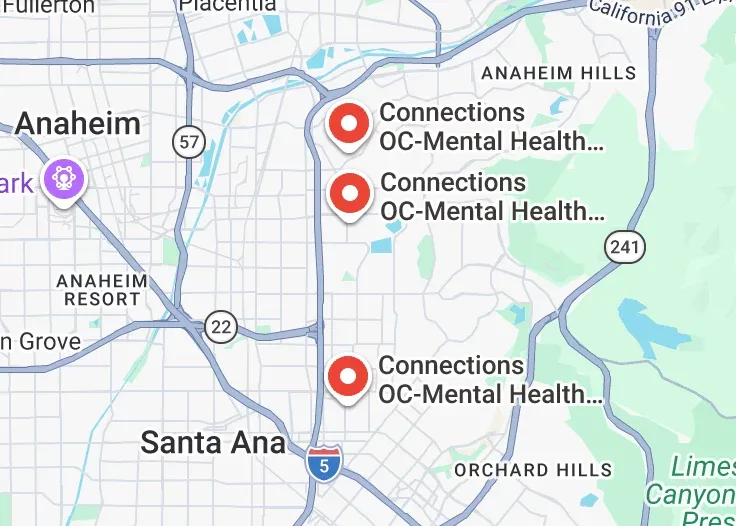
    Tustin, CATustin, CAVilla Park, CAVilla Park, CAOrange, CAOrange, CA
    Location Preview
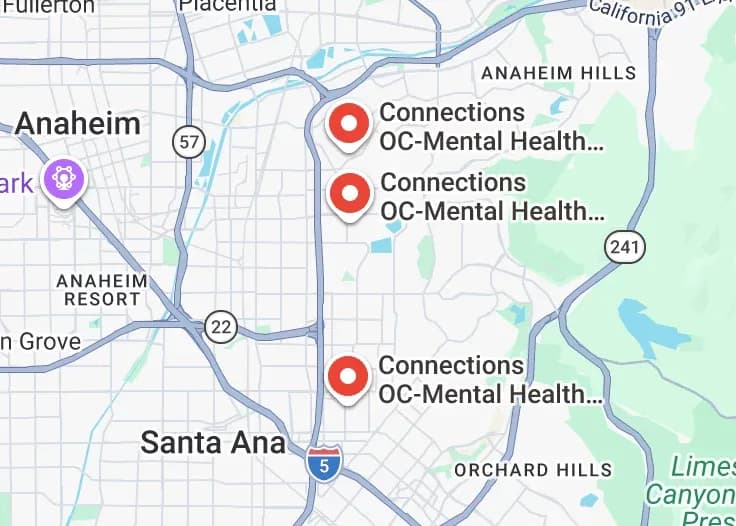
Tustin, CATustin, CAVilla Park, CAVilla Park, CAOrange, CAOrange, CA
Location Preview
Tustin, CATustin, CAVilla Park, CAVilla Park, CAOrange, CAOrange, CA
Location Preview
Areas We Serve

Why I should relocate for rehab?

Menu CTA Image
Mental Health Disorders
Anxiety Disorders
  • Generalized Anxiety Disorder
  • Panic Disorder
  • Obsessive Compulsive Disorder
  • Social Anxiety Disorder
  • Agoraphobia
Mood Disorders
  • Depression Treatment (MentalHealth National)
  • Bipolar Disorder
  • Premenstrual Dysphoric Disorder
  • Disruptive Mood Dysregulation Disorder
  • Major Depressive Disorder
  • Persistent Depressive Disorder
  • Seasonal Affective Disorder
Trauma Disorders
  • Post Traumatic Stress Disorder
  • Adjustment Disorder
Personality Disorders
  • Borderline Personality Disorder
  • Antisocial Personality Disorder
  • Dissociative Identity Disorder
  • Histrionic Personality Disorder
  • Paranoid Personality Disorder
Psychotic Disorders
  • Schizophrenia
  • Schizoaffective Disorder
Neurodevelopment Disorder Treatment (MentalHealth National)
  • ADHD
Areas We Serve

Why I should relocate for rehab?

Menu CTA Image
Mental Health Treatment

Mental Health Treatment

Get dual-diagnosis treatment for SUD and mental health

888-255-2112
  • Cognitive Behavioral TherapyCognitive Behavioral Therapy
  • Dialectical Behavioral TherapyDialectical Behavioral Therapy
  • Seeking Safety TreatmentSeeking Safety Treatment
  • Motivational InterviewingMotivational Interviewing
  • Medication ManagementMedication Management
Areas We Serve

Why I should relocate for rehab?

Menu CTA Image
Contact
657-298-1982
657-298-1982
Skip to content

10 Stress Management Tools

Picture of Written By:
Written By:

Matthew D'Ursov

Picture of Content Manager:
Content Manager:

Amy Leifeste

Picture of Editor:
Editor:

Karena Mathis

Posted On
March 13, 2024

Treatment Guidance Website Tour

After reading this current page, click on the next page we recommend here, or at the bottom of this page.

Stress is an unavoidable aspect of everyday life. Although you may not have the power to alter the situations you encounter, you do have the ability to manage your reaction to them. When stress escalates or persists over time, it can have a damaging impact on your health. This means that learning how to relieve stress can soothe your body and mind. Read on to learn more about identifying and acting on the signs of stress rather than allowing your life to be derailed by stress symptoms.

Understanding Chronic Stress

Chronic stress definition is a state of ongoing, persistent stress that can significantly affect physical health, mental well-being, and overall quality of life. Unlike acute stress, which is short-lived and often related to specific situations, chronic stress lingers for extended periods, potentially leading to a host of health issues. Recognizing and understanding the nature of chronic stress is central to managing its impact effectively.

Chronic stress can stem from numerous sources, including prolonged work pressure, ongoing relationship difficulties, financial strains, or continuous exposure to stressful environments. Sometimes, it’s the accumulation of small stressors rather than one major issue that leads to chronic stress.

The prolonged activation of the body’s stress response system can wreak havoc on the body. Potential health problems associated with chronic stress include heart disease, diabetes, anxiety disorders, depression, obesity, and immune system suppression. Chronic stress can also inflame existing health conditions.

A man pauses to meditate, showing an example of how to reduce stress

Symptoms of Stress

Stress manifests in various forms and can impact every aspect of your life, from your emotions and thought patterns to your physical health and behaviors. Symptoms of stress can vary widely from person to person due to the different ways in which people handle stress. Recognizing the symptoms of stress is a crucial step in managing it effectively. Here are common signs that you might be experiencing stress:

Emotional symptoms

  • Feelings of frustration, irritability, or anger
  • Feeling overwhelmed
  • Anxiety or nervousness
  • Depression or general unhappiness
  • Feeling unmotivated or unfocused

Physical symptoms

  • Headaches or dizziness
  • Muscle tension or pain
  • Stomach problems
  • Chest pain
  • Accelerated heartbeat
  • Fatigue
  • Sleep problems

Cognitive symptoms

  • Racing thoughts
  • Continuous worrying
  • Forgetfulness
  • Inability to focus
  • Disorganization
  • Impaired judgment
  • Being negative or pessimistic

Behavioral symptoms

  • Appetite changes
  • Procrastinating
  • Neglecting responsibilities
  • Increased use of addictive substances
  • Nail-biting, pacing, or fidgeting

Understanding and recognizing the signs of stress can help you identify when you need to take steps to manage your stress levels. Effective stress management can lead to improved health, mood, productivity, relationships, and overall quality of life.

10 Stress Management Techniques

Here’s how to reduce stress using 10 straightforward techniques:

  1. Deep breathing exercises: Integrating deep breathing techniques into your routine can help lower stress levels and induce calmness. Taking slow, deep breaths can activate the body’s relaxation response.
  2. Mindfulness meditation: Engage in mindfulness meditation to enhance present-moment awareness, reducing stress and anxiety by focusing on the here and now, rather than worrying about the future.
  3. Express gratitude: Regularly acknowledging and expressing gratitude for the good in your life can shift focus away from stressors and toward positive aspects, enhancing mental health and reducing stress.
  4. Regular physical activity: Participate in consistent exercise, such as cycling, swimming, or yoga, to release endorphins, the body’s natural stress relievers, and improve your mood.
  5. Balanced nutrition: Adopt a nutritious diet emphasizing fruits, vegetables, and whole grains to bolster your health and resilience against stress.
  6. Prioritize sleep: Ensure you get adequate, quality sleep by sticking to a regular bedtime routine and creating a peaceful sleeping environment, as good sleep is beneficial for stress management.
  7. Effective time management: Utilize time management techniques to organize and prioritize your tasks, helping reduce the overwhelm that can lead to stress.
  8. Build a support network: Lean on the support of friends and family for sharing concerns and reducing stress. Connecting with others can offer new perspectives and decrease feelings of isolation.
  9. Cultivate positive self-talk: Shift to a more positive and compassionate internal dialogue. Challenge negative thoughts and replace them with affirming messages to ease stress.
  10. Practice yoga: Yoga merges movement, breath control, and meditation to provide stress relief and improve physical and mental well-being. Consistent practice can yield both immediate and long-term benefits.

Incorporating these stress management techniques into your life can significantly enhance your ability to cope with stress, leading to improved overall health and well-being.

Man meditating representing can stress make you sick

Can Stress Make You Sick?

It is possible for stress to make you sick. Prolonged or chronic stress has a significant impact on the body’s immune system, rendering a person more susceptible to illnesses. When under stress, the body’s ability to fight off antigens is reduced, making it easier for infections and diseases to take hold. This vulnerability can lead to a wide range of health issues, both acute and chronic.

Chronic stress can contribute to several serious physical health conditions, including:

  • Cardiovascular diseases: Stress can increase blood pressure and heart rate, elevating the risk for hypertension, stroke, and heart attacks.
  • Weakened immune system: Stress suppresses the immune system, increasing susceptibility to colds, flu, and other infections.
  • Digestive problems: Stress can cause or exacerbate gastrointestinal issues, such as gastritis, ulcerative colitis, and IBS (irritable bowel syndrome ).
  • Weight fluctuations: Stress can affect appetite and metabolism, leading to weight gain or loss.
  • Diabetes: Stress can increase the likelihood of developing type 2 diabetes by affecting glucose levels.

Stress doesn’t only affect the body – it also has profound effects on mental health, potentially leading to:

  • Anxiety and depression: Chronic stress is a significant risk factor for anxiety disorders and depression.
  • Sleep disorders: Stress can disrupt sleep patterns, leading to insomnia and other sleep disorders.
  • Cognitive and memory problems: High levels of stress can impair concentration, decision-making, and memory.

To minimize the risk of stress-related illness, consider the following strategies:

  • Exercise can help reduce stress levels and improve physical health.
  • A balanced diet can support the body’s defense against stress.
  • Ensuring enough quality sleep can help mitigate the effects of stress.
  • Practices such as mindfulness, meditation, and deep breathing exercises can reduce stress.
  • For chronic stress, consulting with a healthcare provider or therapist can offer strategies to manage stress and its associated health risks.

FAQs

Can stress cause high blood pressure?

Yes, stress can temporarily increase blood pressure by causing the heart to beat faster and narrowing the blood vessels. If stress is constant, it may contribute to long-term high blood pressure.

What are chronic stress symptoms?

Chronic stress symptoms may include anxiety, depression irritability, insomnia, headaches, and changes to appetite. It can also lead to physical health problems like high blood pressure or heart disease.

Who can help with stress management?

Professionals like psychiatrists, psychologists, and licensed counselors can help with stress management. Primary care physicians can provide guidance and referrals to specialists if needed.

an image of people who learning about stress management

Get Treatment for Chronic Stress at Connections

Whether you have been waking up feeling anxious or suffering from any other manifestations of chronic stress, we can help you recalibrate your life at Connections Mental Health. We offer immersive inpatient treatment for all types of mental health issues at our luxury beachside facility in Southern California.

Our treatment center is designed to provide a welcoming and inclusive environment for anyone looking to combat mental health conditions that are disrupting their lives. We limit intake to just six people at any one time. This allows you to receive individualized care alongside the support of peers grappling with similar issues.

Expect to access a personalized blend of science-backed and holistic treatments as you develop healthy coping mechanisms to help you deal with stress more effectively. Call 844-759-0999 today and start managing stress in your life right away.

PrevPrevious Post
Next PostNext

Related Articles

January 16, 2026

Does Insurance Cover Residential Mental Health Treatment?

October 7, 2025

Why Do I Feel Like Everyone Hates Me?

September 18, 2025

Overstimulated Meaning

Share This Article

Related Blogs

Check out our addiction recovery blog to learn more about substance use disorders and how to get effective treatment.

Rehabs near Orange County FAQs

What types of mental health programs are available in Orange County?

Mental health programs near Orange County offer a full continuum of care, including inpatient treatment, partial hospitalization (PHP), intensive outpatient (IOP), and standard outpatient (OP) services. Whether you’re looking for structured care or flexible support, mental health treatment programs are designed to meet a range of needs.

How do I know if I need mental health treatment near Orange County?

If you’re experiencing persistent feelings of anxiety, depression, stress, mood changes, difficulty coping with daily responsibilities, or emotional challenges that are affecting your work, relationships, or overall well-being, it may be time to seek professional support. A mental health assessment can help determine the level of care that’s right for you and connect you with the appropriate treatment options.

What mental health conditions are treated at Orange County mental health centers?

Mental health treatment centers in Orange County commonly provide care for conditions such as anxiety disorders, depression, bipolar disorder, PTSD, trauma-related disorders, OCD, mood disorders, and other emotional or behavioral health concerns. Treatment plans are personalized to each individual’s unique needs, goals, and clinical recommendations.

Will my insurance cover mental health treatment in Orange County?

Many major insurance providers offer coverage for mental health services, including partial hospitalization (PHP), intensive outpatient (IOP), and outpatient treatment programs. Coverage varies by plan, so verifying your benefits with the treatment center can help you understand your available options and any potential out-of-pocket costs.

Website Guide Progress...

What most patients want to know before they book

1Protect your job while you come to treatmentNEXT2Can Insurance cover rehab treatment?NEXT3Why Traveling or Staying Close to home can both be great options.NEXT4Locations & GalleriesNEXT5Staff pageNEXT6ReviewsNEXT7What to bring to treatmentNEXT8Treatment & Therapies we provideNEXT9Admissions ProcessNEXT10Contact UsNEXT11Residential Inpatient vs Hospital InpatientNEXT

You’re Not Alone.

Get treatment from a team of expert staff who is passionate about helping you experience peace.

Call Now
an image of the Connections Mental Health logo

Tustin
DHCS # MHBL240478
Exp 1/10/27

Joint Commission HCO ID: 690880
Effective Date: 3/8/2025

Villa Park
DHCS #MHBL240509
Exp 9/4/26

Joint Commission HCO ID: 690880
Effective Date: 3/8/2025

Orange
DHCS #MHBT260570
Exp 4/8/27

Joint Commission HCO ID: 690880
Effective Date: 3/8/2025

  • 17811 Bigelow Park, Tustin, CA 92780
  • 17841 Lincoln St Villa Park, CA 92861
  • 2403 N Shady Forest Ln Orange, CA 92867
  • Privacy Policy
  • Sitemap
About Us

About Us

Effective residential inpatient mental health treatment.

Get to know us
Who We Are
  • Staff
  • Our Facilities
Resources
  • Blog
  • FAQ
  • Insurance Verification
  • Reviews
Areas We Serve

Why I should relocate for rehab?

Menu CTA Image
Locations

Locations

Choose from our beautiful locations near beaches & national parks.

888-255-2112
California
  • Orange County
    Tustin, CATustin, CAVilla Park, CAVilla Park, CAOrange, CAOrange, CA
    Location Preview
Tustin, CATustin, CAVilla Park, CAVilla Park, CAOrange, CAOrange, CA
Location Preview
Tustin, CATustin, CAVilla Park, CAVilla Park, CAOrange, CAOrange, CA
Location Preview
Areas We Serve

Why I should relocate for rehab?

Menu CTA Image
Mental Health Disorders
Anxiety Disorders
  • Generalized Anxiety Disorder
  • Panic Disorder
  • Obsessive Compulsive Disorder
  • Social Anxiety Disorder
  • Agoraphobia
Mood Disorders
  • Depression Treatment (MentalHealth National)
  • Bipolar Disorder
  • Premenstrual Dysphoric Disorder
  • Disruptive Mood Dysregulation Disorder
  • Major Depressive Disorder
  • Persistent Depressive Disorder
  • Seasonal Affective Disorder
Trauma Disorders
  • Post Traumatic Stress Disorder
  • Adjustment Disorder
Personality Disorders
  • Borderline Personality Disorder
  • Antisocial Personality Disorder
  • Dissociative Identity Disorder
  • Histrionic Personality Disorder
  • Paranoid Personality Disorder
Psychotic Disorders
  • Schizophrenia
  • Schizoaffective Disorder
Neurodevelopment Disorder Treatment (MentalHealth National)
  • ADHD
Areas We Serve

Why I should relocate for rehab?

Menu CTA Image
Mental Health Treatment

Mental Health Treatment

Get dual-diagnosis treatment for SUD and mental health

888-255-2112
  • Cognitive Behavioral TherapyCognitive Behavioral Therapy
  • Dialectical Behavioral TherapyDialectical Behavioral Therapy
  • Seeking Safety TreatmentSeeking Safety Treatment
  • Motivational InterviewingMotivational Interviewing
  • Medication ManagementMedication Management
Areas We Serve

Why I should relocate for rehab?

Menu CTA Image
Contact
Verify Insurance
Call Now

Where Lasting Mental Health Treatment Truly Begins

Connect with our compassionate clinicians to get a personalized mental health treatment plan designed around your needs.
844-759-0999

Learn more about the individual mental health disorders we treat by clicking a button below.

Schizophrenia Disorder
Schizoaffective Disorder
Premenstrual Disphoric Disorder (PMDD)
Cyclothymia
Hypomania
Major Depressive Disorder (MDD)
Disruptive Mood Disregulation Disorder (DMDD)Disorder
Persistent Depressive Disorder (PDD)
ADHD
Social Anxiety Disorder
Major Depressive Disorder (MDD)
Disruptive Mood Disregulation Disorder (DMDD)Disorder
Persistent Depressive Disorder (PDD)
ADHD
Social Anxiety Disorder
Autism Spectrum Disorder (ASD)
Generalized Anxiety Disorder
Social Anxiety Disorder
Agoraphobia
Separation Anxiety Disorder
Dissociative Panic Disorder
Antisocial Personality Disorder
Paranoid Personality Disorder
Adjustment Disorder
Borderline Personality Disorder
USERJOURNEYGUIDE
Website GuideHand-picked pages that help our visitors
0 of 11 visited
  • 1Protect your job while you come to treatment+ Recommended next step
  • 2Can Insurance cover rehab treatment?
  • 3Why Traveling or Staying Close to home can both be great options.
  • 4Locations & Galleries
  • 5Staff page
  • 6Reviews
  • 7What to bring to treatment
  • 8Treatment & Therapies we provide
  • 9Admissions Process
  • 10Contact Us
  • 11Residential Inpatient vs Hospital Inpatient