About Us

About Us

Effective residential inpatient mental health treatment.

Get to know us
Who We Are
  • Staff
  • Our Facilities
Resources
  • Blog
  • FAQ
  • Insurance Verification
  • Reviews
Areas We Serve

Why I should relocate for rehab?

Menu CTA Image
Locations

Locations

Choose from our beautiful locations near beaches & national parks.

888-255-2112
California
  • Orange County
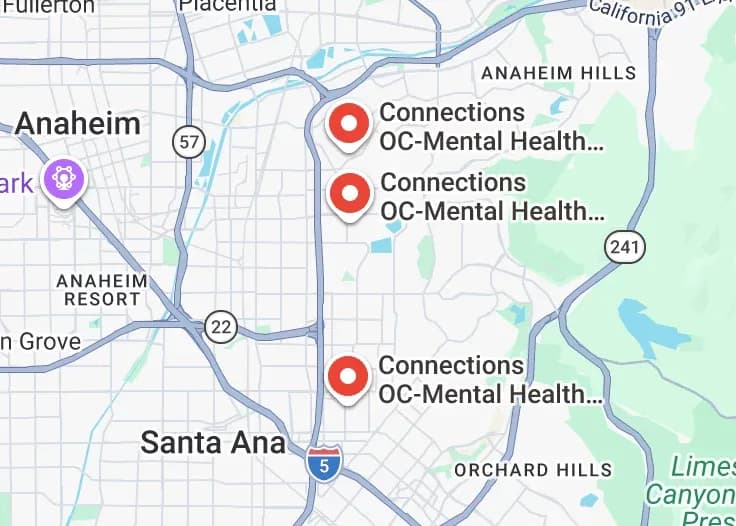
    Tustin, CATustin, CAVilla Park, CAVilla Park, CAOrange, CAOrange, CA
    Location Preview
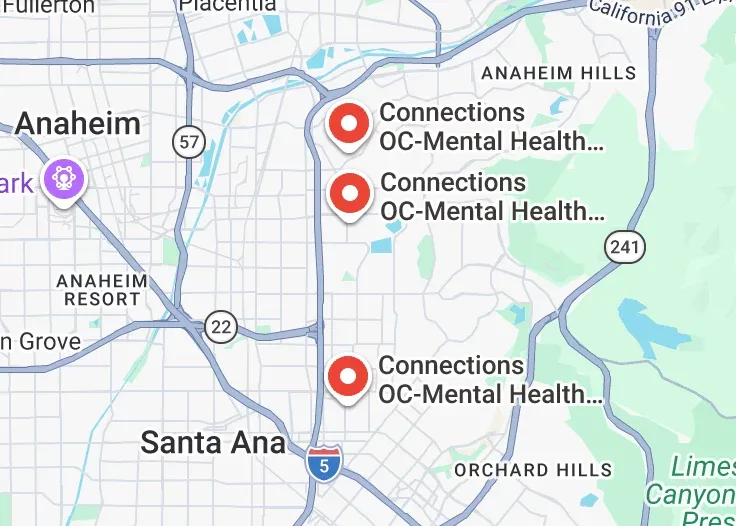
Tustin, CATustin, CAVilla Park, CAVilla Park, CAOrange, CAOrange, CA
Location Preview
Tustin, CATustin, CAVilla Park, CAVilla Park, CAOrange, CAOrange, CA
Location Preview
Areas We Serve

Why I should relocate for rehab?

Menu CTA Image
Mental Health Disorders
Anxiety Disorders
  • Generalized Anxiety Disorder
  • Panic Disorder
  • Obsessive Compulsive Disorder
  • Social Anxiety Disorder
  • Agoraphobia
Mood Disorders
  • Depression Treatment (MentalHealth National)
  • Bipolar Disorder
  • Premenstrual Dysphoric Disorder
  • Disruptive Mood Dysregulation Disorder
  • Major Depressive Disorder
  • Persistent Depressive Disorder
  • Seasonal Affective Disorder
Trauma Disorders
  • Post Traumatic Stress Disorder
  • Adjustment Disorder
Personality Disorders
  • Borderline Personality Disorder
  • Antisocial Personality Disorder
  • Dissociative Identity Disorder
  • Histrionic Personality Disorder
  • Paranoid Personality Disorder
Psychotic Disorders
  • Schizophrenia
  • Schizoaffective Disorder
Neurodevelopment Disorder Treatment (MentalHealth National)
  • ADHD
Areas We Serve

Why I should relocate for rehab?

Menu CTA Image
Mental Health Treatment

Mental Health Treatment

Get dual-diagnosis treatment for SUD and mental health

888-255-2112
  • Cognitive Behavioral TherapyCognitive Behavioral Therapy
  • Dialectical Behavioral TherapyDialectical Behavioral Therapy
  • Seeking Safety TreatmentSeeking Safety Treatment
  • Motivational InterviewingMotivational Interviewing
  • Medication ManagementMedication Management
Areas We Serve

Why I should relocate for rehab?

Menu CTA Image
Contact
657-298-1982
657-298-1982
Skip to content

Night Terrors: Causes, Symptoms, & Treatment

Picture of Written By:
Written By:

Matthew D'Ursov

Picture of Content Manager:
Content Manager:

Amy Leifeste

Picture of Editor:
Editor:

Karena Mathis

Posted On
April 4, 2024

Treatment Guidance Website Tour

After reading this current page, click on the next page we recommend here, or at the bottom of this page.

Night terrors trigger an intense fear response, abruptly waking individuals from sleep. Studies show that roughly one in three young children will experience night terrors. Although the occurrence of night terrors decreases after the age of ten, adults may also experience this phenomenon. This guide explores the causes of night terrors, compares this condition to nightmares, and shows you how to get help managing sleep-related issues that are impacting your mental health.

What Are Night Terrors?

Night terrors, sometimes described as sleep terrors, induce an extreme sense of panic or fear in individuals, abruptly rousing them from sleep. Those undergoing a night terror episode often sit upright, leap out of bed, or scream. Other signs of night terrors include sweating, accelerated heart rate, and enlarged pupils.

Episodes can persist for between 10 and 30 minutes. During this time, it’s often difficult for others to soothe the person experiencing the night terror. In most cases, the person has no memory of the event afterward.

Night terrors are classified as parasomnias, sleep disorders characterized by abnormal movements or behaviors during sleep. Night terrors usually manifest during the NREM (non-rapid eye movement) phase of sleep. This phase includes both light sleep and deep sleep stages but excludes the REM (rapid eye movement) phase, which is known for intense dreaming. Night terrors are mainly observed during the first third of the night, especially in children.

Night Terrors vs. Nightmares

Night terrors and nightmares are distinct experiences. When someone has nightmares, they usually wake feeling scared and can often recall the disturbing dream in vivid detail. Someone experiencing night terrors, by contrast, may wake in a state of fear, but they usually have no recall of the dream and may not even remember waking during the night.

Night terrors manifest during the NREM stages of sleep, while nightmares usually happen during the REM phase. This timing means that night terrors normally occur during the first part of the night when NREM sleep predominates. Nightmares, on the other hand, are more likely to occur in the latter part of the night.

What Causes Night Terrors?

Night terrors are believed to occur during a partial awakening where a person is caught in a liminal state – that is, hovering between sleep and full consciousness. This transitional phase is why night terrors are sometimes referred to as an NREM disorder of arousal parasomnia. Possible causes of night terrors include:

  • Age: Night terrors are most commonly observed in young children and tend to decrease in frequency with age, often disappearing by adolescence.
  • Genetic predisposition: There is evidence to suggest that genetics may play a part in someone’s tendency toward parasomnias.
  • Sleep disorders: Conditions that disrupt sleep, causing brief awakenings throughout the night, such as obstructive sleep apnea and periodic limb movement disorder (which may be related to restless legs syndrome), are associated with night terrors.
  • Anxiety: In children, night terrors have been linked to separation anxiety. Adults suffering from PTSD (post-traumatic stress disorder) or other mood disorders may also have an increased susceptibility to night terrors.
  • Sleep deprivation: Lack of sleep can lead to an increase in the amount of deep sleep on subsequent nights. As night terrors are more common during deep sleep, sleep deprivation can heighten the risk of experiencing them.
  • Fever: Fevers can induce more deep sleep, potentially increasing the likelihood of night terrors occurring.

man waking up representing night terror symptoms

Night Terror Symptoms

The characteristics signs of night terrors episodes may include:

  • Loud screaming and shouting
  • Getting up from bed
  • Sleepwalking
  • Limbs flailing
  • Rapid breathing
  • Accelerated heartbeat
  • Heavy sweating
  • Eyes dilated
  • Difficulty awakening the sleeper
  • Appearing awake with wide-open eyes but not reacting to surroundings
  • Disorientation upon awakening
  • No memory of the episode

In the rare instances where someone remembers a dream following a night terror, it’s typically centered around intensely fearful content.

Night Terrors Treatment

While night terrors can seem alarming, especially in children, they generally don’t cause lasting harm and often resolve on their own without medications. Gently holding the child’s hand and speaking in soothing tones can often help diminish the intensity of an episode.

Intervention is usually only considered necessary if night terrors significantly impact the individual’s safety or if they interfere with daytime functioning.

If treatment is required, the following approaches can be beneficial:

  • Addressing underlying conditions: Treatment for conditions like sleep apnea or mental health issues may alleviate night terrors.
  • Improving sleep practices: Adjusting sleep routines or the sleeping environment can enhance sleep quality and reduce the occurrence of night terrors.
  • Medication: In certain situations, medications such as benzodiazepines or SSRIs (serotonin reuptake inhibitors) might be beneficial.
  • Stress management: Therapy or counseling can be effective in managing stress, which may in turn reduce the frequency of night terrors.

FAQs

What is a night terror?

A night terror is an intense sleep disturbance which causes feelings of dread or terror, usually occurring during non-REM sleep stages. Those experiencing night terrors may scream, thrash around, or appear frightened while still asleep, yet they often have little or no recall of the event when they wake up. Although this phenomenon mainly occurs in children, night terrors in adults may also occur.

Why do night terrors happen?

Night terrors, a type of sleep disorder, manifest due to over-arousal the central nervous system during sleep. They may be triggered by fatigue, stress, sleep deprivation, and certain medications.

An image of a group of friends together at sunset representing night terrors treatment

Get Treatment for Night Terrors at Connections

If anxiety and sleep issues have been complicating your life, reach out to Connections Mental Health for compassionate, evidence-based treatment.

Sleep issues can permeate all areas of life, so we can help you improve sleep hygiene during inpatient treatment at our luxury beachside facility. We can also help you combat anxiety through personalized treatments that may include medications, counseling, psychotherapies, and holistic interventions.

When you are ready to address night terrors and anxiety, improve well-being, and restore everyday functioning, call Connections at 844-759-0999.

PrevPrevious Post
Next PostNext

Related Articles

January 16, 2026

Does Insurance Cover Residential Mental Health Treatment?

October 7, 2025

Why Do I Feel Like Everyone Hates Me?

September 18, 2025

Overstimulated Meaning

Share This Article

Related Blogs

Check out our addiction recovery blog to learn more about substance use disorders and how to get effective treatment.

Does Insurance Cover Residential Mental Health Treatment?

What Is the Goal of Therapy?

Why Do I Feel Like Everyone Hates Me? Tips & What to Do

What Are Common Signs of Overstimulation in Adults?

What to Expect at an Inpatient Behavioral Health Hospital

Residential vs. Inpatient Mental Health Treatment

How to Admit Yourself to a Mental Hospital?

When To Seek Inpatient Mental Health Treatment At A Hospital

Inpatient Mental Health Crisis Treatment

How Long is Residential Mental Health Treatment?

What is Real Event OCD? Signs, Symptoms, and Treatment

What Is Harm OCD? Signs, Symptoms, and Treatment

Why Do I Zone Out So Much? Causes & What To Do

Sertraline (Zoloft) - Uses, Side Effects, and More

What is existential OCD: Signs, Symptoms, Triggers, & Treatment

Hyperfixation vs. Obsession: What’s the difference?

Am I Going Crazy? Understanding Your Mental Health Concerns

Are Your Nightmares Actually Trying to Warn You About Something?

What Is Obsessive Love Disorder? Symptoms, Causes, & Treatment

What Is Hyperfixations? How to Manage It

Best Residential Outpatient Rehab Mental Health Centers in the Country

Best Residential IOP Rehab Mental Health Centers in the Country

Best Residential DBT Therapy Mental Health Centers in the Country

Best Residential EMDR Therapy Mental Health Centers in the Country

Best Residential Depression Treatment Mental Health Centers in the Country

Depression Treatment near Yorba Linda (Residential Mental Health Treatment Centers)

Depression Treatment near Westminster (Residential Mental Health Treatment Centers)

Villa Park Depression Treatment (Residential Mental Health Treatment Centers)

Tustin Depression Treatment (Residential Mental Health Treatment Centers)

Depression Treatment near Stanton (Residential Mental Health Treatment Centers)

Depression Treatment near Seal Beach (Residential Mental Health Treatment Centers)

Depression Treatment near Santa Ana (Residential Mental Health Treatment Centers)

Depression Treatment near San Juan Capistrano (Residential Mental Health Treatment Centers)

Depression Treatment near San Clemente (Residential Mental Health Treatment Centers)

Depression Treatment near Rancho Santa Margarita (Residential Mental Health Treatment Centers)

Rehabs near Orange County FAQs

What types of mental health programs are available in Orange County?

Mental health programs near Orange County offer a full continuum of care, including inpatient treatment, partial hospitalization (PHP), intensive outpatient (IOP), and standard outpatient (OP) services. Whether you’re looking for structured care or flexible support, mental health treatment programs are designed to meet a range of needs.

How do I know if I need mental health treatment near Orange County?

If you’re experiencing persistent feelings of anxiety, depression, stress, mood changes, difficulty coping with daily responsibilities, or emotional challenges that are affecting your work, relationships, or overall well-being, it may be time to seek professional support. A mental health assessment can help determine the level of care that’s right for you and connect you with the appropriate treatment options.

What mental health conditions are treated at Orange County mental health centers?

Mental health treatment centers in Orange County commonly provide care for conditions such as anxiety disorders, depression, bipolar disorder, PTSD, trauma-related disorders, OCD, mood disorders, and other emotional or behavioral health concerns. Treatment plans are personalized to each individual’s unique needs, goals, and clinical recommendations.

Will my insurance cover mental health treatment in Orange County?

Many major insurance providers offer coverage for mental health services, including partial hospitalization (PHP), intensive outpatient (IOP), and outpatient treatment programs. Coverage varies by plan, so verifying your benefits with the treatment center can help you understand your available options and any potential out-of-pocket costs.


Website Guide Progress...

What most patients want to know before they book

1Protect your job while you come to treatmentNEXT2Can Insurance cover rehab treatment?NEXT3Why Traveling or Staying Close to home can both be great options.NEXT4Locations & GalleriesNEXT5Staff pageNEXT6ReviewsNEXT7What to bring to treatmentNEXT8Treatment & Therapies we provideNEXT9Admissions ProcessNEXT10Contact UsNEXT11Residential Inpatient vs Hospital InpatientNEXT

You’re Not Alone.

Get treatment from a team of expert staff who is passionate about helping you experience peace.

Call Now
an image of the Connections Mental Health logo

Tustin
DHCS # MHBL240478
Exp 1/10/27

Joint Commission HCO ID: 690880
Effective Date: 3/8/2025

Villa Park
DHCS #MHBL240509
Exp 9/4/26

Joint Commission HCO ID: 690880
Effective Date: 3/8/2025

Orange
DHCS #MHBT260570
Exp 4/8/27

Joint Commission HCO ID: 690880
Effective Date: 3/8/2025

  • 17811 Bigelow Park, Tustin, CA 92780
  • 17841 Lincoln St Villa Park, CA 92861
  • 2403 N Shady Forest Ln Orange, CA 92867
  • Privacy Policy
  • Sitemap
About Us

About Us

Effective residential inpatient mental health treatment.

Get to know us
Who We Are
  • Staff
  • Our Facilities
Resources
  • Blog
  • FAQ
  • Insurance Verification
  • Reviews
Areas We Serve

Why I should relocate for rehab?

Menu CTA Image
Locations

Locations

Choose from our beautiful locations near beaches & national parks.

888-255-2112
California
  • Orange County
    Tustin, CATustin, CAVilla Park, CAVilla Park, CAOrange, CAOrange, CA
    Location Preview
Tustin, CATustin, CAVilla Park, CAVilla Park, CAOrange, CAOrange, CA
Location Preview
Tustin, CATustin, CAVilla Park, CAVilla Park, CAOrange, CAOrange, CA
Location Preview
Areas We Serve

Why I should relocate for rehab?

Menu CTA Image
Mental Health Disorders
Anxiety Disorders
  • Generalized Anxiety Disorder
  • Panic Disorder
  • Obsessive Compulsive Disorder
  • Social Anxiety Disorder
  • Agoraphobia
Mood Disorders
  • Depression Treatment (MentalHealth National)
  • Bipolar Disorder
  • Premenstrual Dysphoric Disorder
  • Disruptive Mood Dysregulation Disorder
  • Major Depressive Disorder
  • Persistent Depressive Disorder
  • Seasonal Affective Disorder
Trauma Disorders
  • Post Traumatic Stress Disorder
  • Adjustment Disorder
Personality Disorders
  • Borderline Personality Disorder
  • Antisocial Personality Disorder
  • Dissociative Identity Disorder
  • Histrionic Personality Disorder
  • Paranoid Personality Disorder
Psychotic Disorders
  • Schizophrenia
  • Schizoaffective Disorder
Neurodevelopment Disorder Treatment (MentalHealth National)
  • ADHD
Areas We Serve

Why I should relocate for rehab?

Menu CTA Image
Mental Health Treatment

Mental Health Treatment

Get dual-diagnosis treatment for SUD and mental health

888-255-2112
  • Cognitive Behavioral TherapyCognitive Behavioral Therapy
  • Dialectical Behavioral TherapyDialectical Behavioral Therapy
  • Seeking Safety TreatmentSeeking Safety Treatment
  • Motivational InterviewingMotivational Interviewing
  • Medication ManagementMedication Management
Areas We Serve

Why I should relocate for rehab?

Menu CTA Image
Contact
Verify Insurance
Call Now

Where Lasting Mental Health Treatment Truly Begins

Connect with our compassionate clinicians to get a personalized mental health treatment plan designed around your needs.
844-759-0999

Learn more about the individual mental health disorders we treat by clicking a button below.

Schizophrenia Disorder
Schizoaffective Disorder
Premenstrual Disphoric Disorder (PMDD)
Cyclothymia
Hypomania
Major Depressive Disorder (MDD)
Disruptive Mood Disregulation Disorder (DMDD)Disorder
Persistent Depressive Disorder (PDD)
ADHD
Social Anxiety Disorder
Major Depressive Disorder (MDD)
Disruptive Mood Disregulation Disorder (DMDD)Disorder
Persistent Depressive Disorder (PDD)
ADHD
Social Anxiety Disorder
Autism Spectrum Disorder (ASD)
Generalized Anxiety Disorder
Social Anxiety Disorder
Agoraphobia
Separation Anxiety Disorder
Dissociative Panic Disorder
Antisocial Personality Disorder
Paranoid Personality Disorder
Adjustment Disorder
Borderline Personality Disorder
USERJOURNEYGUIDE
Website GuideHand-picked pages that help our visitors
0 of 11 visited
  • 1Protect your job while you come to treatment+ Recommended next step
  • 2Can Insurance cover rehab treatment?
  • 3Why Traveling or Staying Close to home can both be great options.
  • 4Locations & Galleries
  • 5Staff page
  • 6Reviews
  • 7What to bring to treatment
  • 8Treatment & Therapies we provide
  • 9Admissions Process
  • 10Contact Us
  • 11Residential Inpatient vs Hospital Inpatient