After reading this current page, click on the next page we recommend here, or at the bottom of this page.
Depression is a profound mood disorder that transcends mere sadness. It is a severe mental health condition characterized by symptoms such as profound hopelessness, persistent sadness, fluctuations in appetite or weight, and a profound lack of energy. The disruptive nature of depressive episodes leaves many people wondering, “Does depression ever go away?”
For anyone concerned about the long-term impact of major depressive disorder, this guide explores issues including:
Does clinical depression go away?
Can depression go away on its own?
Does depression ever go away fully?
How long does it take for depression to go away?
How to connect with depression treatment in California.
Effective Treatments for Depression
According to WHO (World Health Organization), depression is a leading global cause of disability. It is, though, a highly treatable condition. The choice of treatment may depend on the severity of depression, individual preferences, and the guidance of a healthcare professional. Here are some of the most common and effective treatments for depression:
Psychotherapy (talk therapy): Psychotherapy involves meeting with a trained therapist to discuss feelings, thoughts, and behaviors. CBT (cognitive behavioral therapy), IPT (interpersonal therapy), and psychodynamic therapy are examples of psychotherapies that have shown significant effectiveness in treating depression.
Medications: Antidepressant medications, such as SSRIs (selective serotonin reuptake inhibitors) and SNRIs (serotonin and norepinephrine reuptake inhibitors), can help alleviate depressive symptoms. Work closely with a healthcare provider to find the right medication and dosage.
Lifestyle changes: Simple changes in daily routines, such as regular exercise, a balanced diet, and sufficient sleep, can have a positive impact on mood. These lifestyle modifications can complement other treatments.
Mindfulness and meditation: Mindfulness-based practices, like meditation and yoga, can help manage stress and improve overall well-being. They are often used as adjunct therapies alongside other treatments.
Support groups: Joining a support group or participating in group therapy sessions can provide a sense of community and understanding. Sharing experiences with others facing similar challenges can be therapeutic.
The effectiveness of these treatments can vary from person to person. Many people benefit from a combination of therapies tailored to their unique needs. Seeking professional guidance and maintaining open communication with healthcare providers is crucial in the journey to managing and recovering from depression.
If you or someone that you care about is experiencing depression, reaching out to a mental health professional is a critical first step toward finding an effective treatment plan. Depression is a treatable condition, and with the right support, recovery is possible.
Does major depressive disorder go away, then?
How Long Can Depression Last?
Several factors influence how long depression may last, including the type of depression, the treatment received, and individual characteristics.
Major depressive episode
A major depressive episode lasts for at least two weeks but often persists for longer, sometimes ranging from several months to a year if left untreated.
Persistent depressive disorder (dysthymia)
This form of depression is characterized by long-lasting, milder depressive symptoms. If you are diagnosed with dysthymia and wondering, “When will my depression go away”, it can linger for two years or more, with intermittent periods of remission.
SAD (seasonal affective disorder)
This type of depression occurs seasonally, in fall and winter months. Symptoms tend to improve in spring and summer.
Bipolar depression
In individuals with bipolar disorder, depressive episodes can last for weeks or months, but they are interspersed with periods of mania or hypomania.
Treatment impact
The effectiveness of treatment plays a key role in determining the duration of depression. Timely and appropriate treatment, such as psychotherapy and medication, can significantly shorten the duration of depressive episodes.
Individual variability
Everyone’s experience with depression is unique. Some people may have recurrent but brief episodes, while others may have chronic depression that lasts for years.
Life events
Stressors and life events can trigger or exainflamecerbate depression. The duration of depression may be influenced by ongoing stressors or life changes.
Seeking professional help is essential for managing depression effectively. Early intervention and appropriate treatment can lead to quicker recovery and symptom remission. If you or someone that you know is experiencing depression, consulting with a mental health professional can provide guidance on the best course of action to manage and ultimately overcome this condition.
Does Major Depressive Disorder Go Away?
Major depressive disorder, often referred to as clinical depression, is a complex mental health condition that can vary in duration and severity from person to person, meaning that there is no universal answer to when will depression go away. For some people, depressive episodes may be relatively short-lived, lasting weeks to months. Others may experience recurrent episodes over many years.
Effective treatment can significantly improve the prognosis of depression. Many people diagnosed with major depressive disorder can experience symptom relief and remission through a combination of psychotherapy, medication, and lifestyle changes.
In some cases, depression can become chronic, lasting for two years or more. This is referred to as PDD (persistent depressive disorder) or dysthymia. While this condition may not go away completely, its impact can be managed with ongoing treatment.
Achieving full recovery from depression is possible, but not guaranteed. Some people may experience complete remission of symptoms, while others may have periods of remission followed by relapses. The course of major depressive disorder is influenced by individual factors such as genetics, brain chemistry, and personal resilience. Support systems, coping skills, and access to treatment also play fundamental roles.
Even after symptoms improve or remit, ongoing maintenance is often recommended to prevent relapse. This may involve continued therapy, medication, or lifestyle adjustments.
Depression is a treatable condition, though, and many people can experience significant improvement or even full recovery with the right treatment and support. While depression may not always go away permanently, managing the condition effectively can lead to a better quality of life.
Finding The Right Depression Treatment
Depression is a complex mental health disorder, and treatment approaches vary based on its severity and individual needs. Here are key steps to consider when seeking the right depression treatment:
Professional assessment: Start by consulting a mental health professional, such as a psychiatrist or therapist. They will conduct a thorough assessment to diagnose the type and severity of depression, which will guide treatment decisions.
Psychotherapy: Psychotherapy, or talk therapy, is a common and effective treatment for depression. Different types of therapy, such as CBT (cognitive behavioral therapy), IPT (interpersonal therapy), and MBCT (mindfulness-based cognitive therapy), may be recommended based on the person’s unique needs.
Medication: Antidepressant medications may be prescribed for moderate to severe depression. SSRIs (selective serotonin reuptake inhibitors), SNRIs (serotonin and norepinephrine reuptake inhibitors), and other classes of antidepressants are available.
Lifestyle changes: Incorporating healthy lifestyle habits, such as regular exercise, a balanced diet, and sufficient sleep, can complement treatment and help manage depression symptoms.
Support network: Building a support network of friends and family can provide emotional support during treatment. Support groups or online communities for individuals with depression can also be beneficial.
Alternative therapies: Some people find relief from depression symptoms through alternative therapies like acupuncture, yoga, or herbal supplements. Discuss these options with a healthcare provider.
Long-term care: Depression may require long-term management. Continuation or maintenance therapy may be necessary even after symptoms improve to prevent relapse.
Personalized approach: Each person’s experience with depression is unique. The right treatment plan should be tailored to individual needs and preferences.
Regular follow-up: Stay engaged with mental health professionals and follow up as recommended. Adjustments to treatment may be needed over time.
Emergency help: In cases of severe depression or when suicidal thoughts are present, seek immediate help from a crisis helpline, mental health facility, or emergency room.
Remember that finding the right depression treatment can take time, and it may involve trial and error. Maintain open communication with healthcare providers and stay committed to the treatment plan.
Get Effective Treatment for Depression at Connections
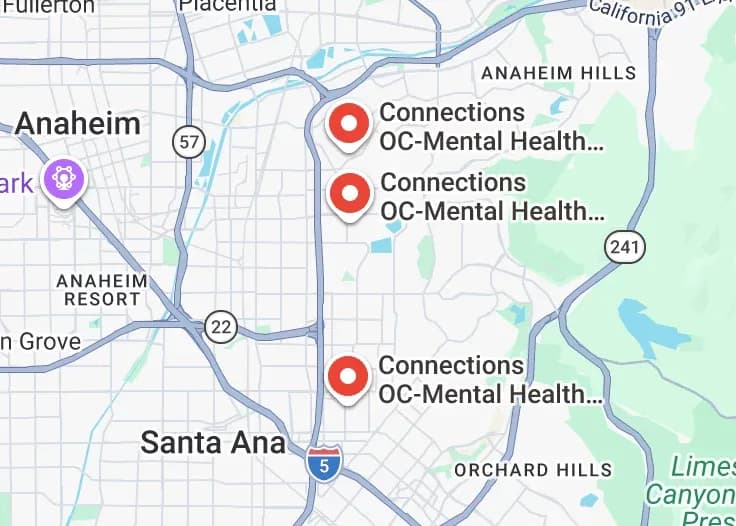
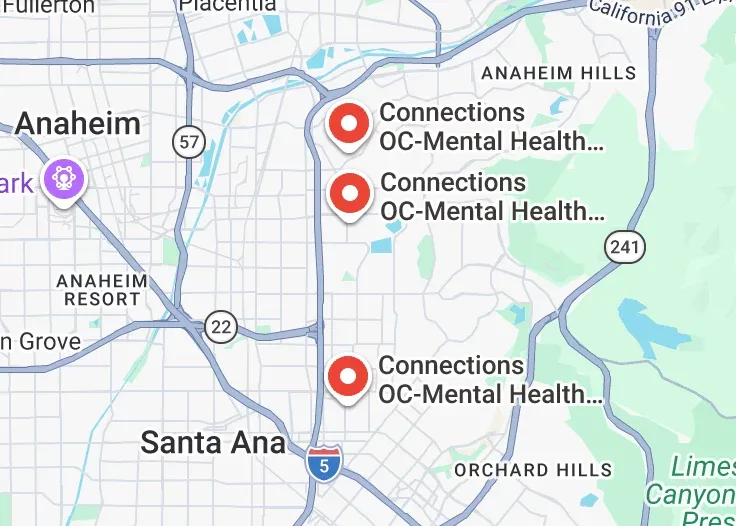
Depression often gets worse over time when untreated, but it responds positively to evidence-based interventions. We offer intensive residential treatment for depression in Orange County at Connections Mental Health.
If you or a loved one need to find peace and stability while improving your overall functioning, Connections Mental Health offers an inclusive and welcoming environment. Here, you can work closely with our team of mental health specialists and a small group of peers undergoing similar challenges. When you are ready to access a combination of medication-assisted treatment and behavioral interventions, call 844-759-0999 for immediate assistance.
What types of mental health programs are available in Orange County?
Mental health programs near Orange County offer a full continuum of care, including inpatient treatment, partial hospitalization (PHP), intensive outpatient (IOP), and standard outpatient (OP) services. Whether you’re looking for structured care or flexible support, mental health treatment programs are designed to meet a range of needs.
How do I know if I need mental health treatment near Orange County?
If you’re experiencing persistent feelings of anxiety, depression, stress, mood changes, difficulty coping with daily responsibilities, or emotional challenges that are affecting your work, relationships, or overall well-being, it may be time to seek professional support. A mental health assessment can help determine the level of care that’s right for you and connect you with the appropriate treatment options.
What mental health conditions are treated at Orange County mental health centers?
Mental health treatment centers in Orange County commonly provide care for conditions such as anxiety disorders, depression, bipolar disorder, PTSD, trauma-related disorders, OCD, mood disorders, and other emotional or behavioral health concerns. Treatment plans are personalized to each individual’s unique needs, goals, and clinical recommendations.
Will my insurance cover mental health treatment in Orange County?
Many major insurance providers offer coverage for mental health services, including partial hospitalization (PHP), intensive outpatient (IOP), and outpatient treatment programs. Coverage varies by plan, so verifying your benefits with the treatment center can help you understand your available options and any potential out-of-pocket costs.