About Us

About Us

Effective residential inpatient mental health treatment.

Get to know us
Who We Are
  • Staff
  • Our Facilities
Resources
  • Blog
  • FAQ
  • Insurance Verification
  • Reviews
Areas We Serve

Why I should relocate for rehab?

Menu CTA Image
Locations

Locations

Choose from our beautiful locations near beaches & national parks.

888-255-2112
California
  • Orange County
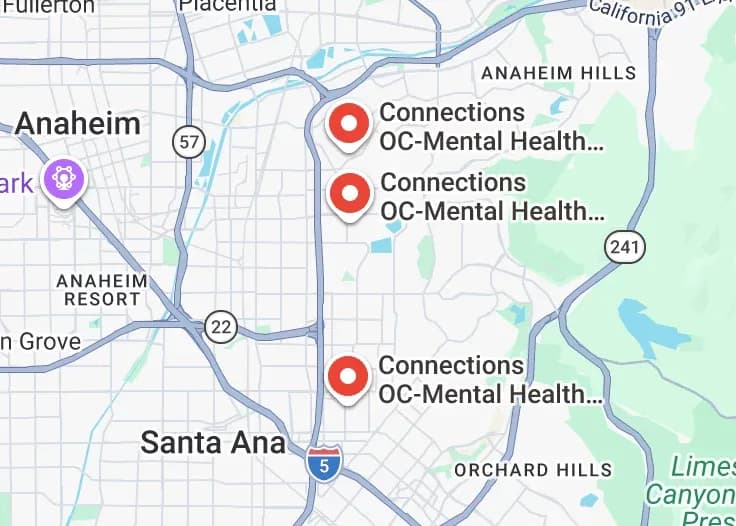
    Tustin, CATustin, CAVilla Park, CAVilla Park, CAOrange, CAOrange, CA
    Location Preview
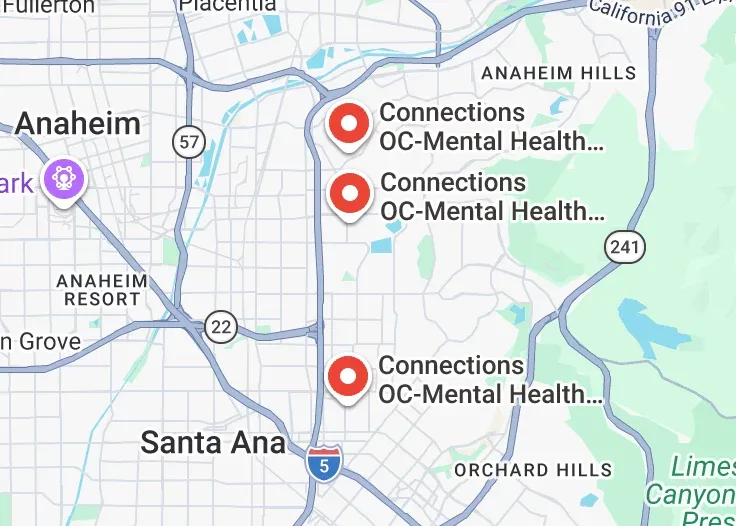
Tustin, CATustin, CAVilla Park, CAVilla Park, CAOrange, CAOrange, CA
Location Preview
Tustin, CATustin, CAVilla Park, CAVilla Park, CAOrange, CAOrange, CA
Location Preview
Areas We Serve

Why I should relocate for rehab?

Menu CTA Image
Mental Health Disorders
Anxiety Disorders
  • Generalized Anxiety Disorder
  • Panic Disorder
  • Obsessive Compulsive Disorder
  • Social Anxiety Disorder
  • Agoraphobia
Mood Disorders
  • Depression Treatment (MentalHealth National)
  • Bipolar Disorder
  • Premenstrual Dysphoric Disorder
  • Disruptive Mood Dysregulation Disorder
  • Major Depressive Disorder
  • Persistent Depressive Disorder
  • Seasonal Affective Disorder
Trauma Disorders
  • Post Traumatic Stress Disorder
  • Adjustment Disorder
Personality Disorders
  • Borderline Personality Disorder
  • Antisocial Personality Disorder
  • Dissociative Identity Disorder
  • Histrionic Personality Disorder
  • Paranoid Personality Disorder
Psychotic Disorders
  • Schizophrenia
  • Schizoaffective Disorder
Neurodevelopment Disorder Treatment (MentalHealth National)
  • ADHD
Areas We Serve

Why I should relocate for rehab?

Menu CTA Image
Mental Health Treatment

Mental Health Treatment

Get dual-diagnosis treatment for SUD and mental health

888-255-2112
  • Cognitive Behavioral TherapyCognitive Behavioral Therapy
  • Dialectical Behavioral TherapyDialectical Behavioral Therapy
  • Seeking Safety TreatmentSeeking Safety Treatment
  • Motivational InterviewingMotivational Interviewing
  • Medication ManagementMedication Management
Areas We Serve

Why I should relocate for rehab?

Menu CTA Image
Contact
657-298-1982
657-298-1982
Skip to content

Can Adderall Cause Depression?

Picture of Written By:
Written By:

Matthew D'Ursov

Picture of Content Manager:
Content Manager:

Amy Leifeste

Picture of Editor:
Editor:

Karena Mathis

Posted On
December 28, 2023

Treatment Guidance Website Tour

After reading this current page, click on the next page we recommend here, or at the bottom of this page.

Each year, millions of U.S. adults grapple with depression, and the journey to find effective treatment can be challenging, especially when dealing with other mental health issues. Collaborating with a doctor or mental health professional is always beneficial when exploring treatment options. Adderall, a stimulant medication primarily prescribed for ADHD (attention deficit hyperactivity disorder), has been associated with depression – both as an off-label treatment and as a potential cause. Read on to learn more about this inter-relationship and find out how to get help.

Adderall and Depression

Adderall is a medication for treating ADHD that contains a blend of different amphetamine salts to act as a central nervous system stimulant, effectively managing ADHD symptoms. Prescribed for narcolepsy as well, Adderall functions by elevating dopamine and norepinephrine levels in the brain, providing relief from ADHD-related challenges. While the medication is not intended as a cognitive enhancer, it is frequently abused for this purpose, especially among young adults. Misusing Adderall may trigger effects like addiction and depression. When used according to prescription guidelines, these effects should not occur, though.

Information provided by FDA regarding Adderall indicates that depression is a potential adverse reaction to the medication, although this is rare and typically associated with misuse or unauthorized use of the drug.

FDA advises caution for anyone with a history of bipolar disorder or other psychotic conditions when using Adderall. Screening for these mental health conditions is recommended for those exhibiting behavioral symptoms before starting the medication.

In some instances, healthcare professionals may prescribe psychostimulants like Adderall to improve mood, energy, and concentration in individuals with depression or bipolar disorder. This approach may be considered when other treatments have not yielded positive results.

Abruptly stopping Adderall after prolonged high-dosage use may lead to the development of depression and extreme fatigue, as highlighted by FDA.

A review of studies suggests a potential association between the misuse of stimulant medication and symptoms of depression. This is particularly prevalent among college students. However, the study authors state that more research is needed to establish a conclusive link.

A woman looks out distressed, as she now understands that adderall can cause depression

Common Side Effects of Adderall

Common Adderall side effects may include:

  • Insomnia: Stimulants like Adderall can interfere with sleep patterns, leading to difficulty falling asleep or staying asleep.
  • Loss of appetite: Some people may experience a reduced desire to eat while taking Adderall, which can result in weight loss.
  • Increased heart rate: Adderall can elevate heart rate, and in some cases, people using the medication may notice palpitations or a pounding sensation in the chest.
  • Nervousness or anxiety: Stimulant medications can contribute to heightened feelings of nervousness or anxiety.
  • Dry mouth: A common side effect of Adderall is experiencing a dry or unpleasant taste in the mouth.
  • Digestive issues: Adderall may trigger gastrointestinal discomfort like nausea or abdominal pain.
  • Headache: Some people may experience headaches as a side effect of Adderall.
  • Irritability: Mood changes, including increased irritability, can occur with the use of stimulant medications like Adderall.
  • Dizziness: Adderall may cause dizziness or lightheadedness in some individuals.
  • Increased blood pressure: Stimulants like Adderall can lead to elevated blood pressure in certain cases.

Discuss any side effects or concerns with a healthcare professional as soon as they arise, and take Adderall only as prescribed to mitigate complications.

What to Do If Adderall is Causing Depression

If you suspect that Adderall is contributing to feelings of depression or worsening your mood, take the following steps:

  • Consult your healthcare provider: Reach out to your prescribing healthcare professional immediately. Describe your symptoms and discuss any changes in mood or emotional well-being. They can provide guidance on making adjustments to the medication or dosage.
  • Be honest about your symptoms: Open communication is essential when addressing any mental health issue. Clearly communicate your emotional state, any changes you’ve noticed, and the duration of these symptoms. Be honest about any factors that may contribute, such as lifestyle changes or other medications or addictive substances that you’re using.
  • Follow professional advice: Your healthcare provider may recommend changes to your treatment plan. This could involve adjusting the dosage, switching to an alternative medication, or exploring other treatment options. Follow their advice closely and attend follow-up appointments to avoid relapse derailing your early recovery.
  • Consider therapy: In some cases, therapy or counseling may complement medication-assisted treatment. Mental health professionals can help you explore underlying issues and coping strategies.
  • Monitor your well-being: Keep a journal to track your mood, energy levels, and overall well-being. Note any changes, improvements, or worsening symptoms. Share this information with your healthcare provider during follow-up appointments.
  • Engage in self-care: Focus on self-care practices, including regular exercise, a balanced diet, adequate sleep, and stress management. These lifestyle factors can significantly impact mental well-being.
  • Connect with support: Reach out to friends, family, or a support network. Sharing your experiences can provide emotional support and perspective.

Always prioritize your mental health and seek professional guidance when needed. Never make adjustments to your medication regimen without consulting your healthcare provider.

FAQs

Can Adderall cause depression and anxiety?

Adderall may potentially contribute to feelings of depression and anxiety as side effects, although very few people experience these effects.

Can Adderall cause depression in adults?

While Adderall is mainly prescribed to treat ADHD, some adults may report experiencing depressive symptoms as a side effect. Communicate any adverse reactions with your healthcare provider.

Can taking Adderall cause depression?

Taking Adderall can influence neurotransmitter levels in the brain, and in some cases, it may contribute to the development or worsening of depression. Individuals prescribed Adderall should monitor their mental health and consult their healthcare professional if they notice any concerning symptoms.

an image of people who got help at Connections Mental Health treatment for anxiety, depression, and ptsd

Get Treatment for ADHD & Depression at Connections Mental Health

Depression is one of the most common mood disorders, and it is also highly treatable. At Connections Mental Health in Southern California, we treat all types of depression in an inpatient setting, providing you with the most structured and immersive recovery experience.

Our small team of experienced mental health professionals utilize therapies grounded in the most current psychiatric science blended with holistic interventions. As you address the underlying causes of your depression, you can benefit from the support of a small number of peers dealing with similar experiences. When you are ready to address major depressive disorder, restore functioning, and improve overall well-being, call Connections at 844-759-0999 and kickstart your long-term recovery from depression in Southern California.

PrevPrevious Post
Next PostNext

Related Articles

January 16, 2026

Does Insurance Cover Residential Mental Health Treatment?

October 7, 2025

Why Do I Feel Like Everyone Hates Me?

September 18, 2025

Overstimulated Meaning

Share This Article

Related Blogs

Check out our addiction recovery blog to learn more about substance use disorders and how to get effective treatment.

Does Insurance Cover Residential Mental Health Treatment?

What Is the Goal of Therapy?

Why Do I Feel Like Everyone Hates Me? Tips & What to Do

What Are Common Signs of Overstimulation in Adults?

What to Expect at an Inpatient Behavioral Health Hospital

Residential vs. Inpatient Mental Health Treatment

How to Admit Yourself to a Mental Hospital?

When To Seek Inpatient Mental Health Treatment At A Hospital

Inpatient Mental Health Crisis Treatment

How Long is Residential Mental Health Treatment?

What is Real Event OCD? Signs, Symptoms, and Treatment

What Is Harm OCD? Signs, Symptoms, and Treatment

Why Do I Zone Out So Much? Causes & What To Do

Sertraline (Zoloft) - Uses, Side Effects, and More

What is existential OCD: Signs, Symptoms, Triggers, & Treatment

Hyperfixation vs. Obsession: What’s the difference?

Am I Going Crazy? Understanding Your Mental Health Concerns

Are Your Nightmares Actually Trying to Warn You About Something?

What Is Obsessive Love Disorder? Symptoms, Causes, & Treatment

What Is Hyperfixations? How to Manage It

Best Residential Outpatient Rehab Mental Health Centers in the Country

Best Residential IOP Rehab Mental Health Centers in the Country

Best Residential DBT Therapy Mental Health Centers in the Country

Best Residential EMDR Therapy Mental Health Centers in the Country

Best Residential Depression Treatment Mental Health Centers in the Country

Depression Treatment near Yorba Linda (Residential Mental Health Treatment Centers)

Depression Treatment near Westminster (Residential Mental Health Treatment Centers)

Villa Park Depression Treatment (Residential Mental Health Treatment Centers)

Tustin Depression Treatment (Residential Mental Health Treatment Centers)

Depression Treatment near Stanton (Residential Mental Health Treatment Centers)

Depression Treatment near Seal Beach (Residential Mental Health Treatment Centers)

Depression Treatment near Santa Ana (Residential Mental Health Treatment Centers)

Depression Treatment near San Juan Capistrano (Residential Mental Health Treatment Centers)

Depression Treatment near San Clemente (Residential Mental Health Treatment Centers)

Depression Treatment near Rancho Santa Margarita (Residential Mental Health Treatment Centers)

Rehabs near Orange County FAQs

What types of mental health programs are available in Orange County?

Mental health programs near Orange County offer a full continuum of care, including inpatient treatment, partial hospitalization (PHP), intensive outpatient (IOP), and standard outpatient (OP) services. Whether you’re looking for structured care or flexible support, mental health treatment programs are designed to meet a range of needs.

How do I know if I need mental health treatment near Orange County?

If you’re experiencing persistent feelings of anxiety, depression, stress, mood changes, difficulty coping with daily responsibilities, or emotional challenges that are affecting your work, relationships, or overall well-being, it may be time to seek professional support. A mental health assessment can help determine the level of care that’s right for you and connect you with the appropriate treatment options.

What mental health conditions are treated at Orange County mental health centers?

Mental health treatment centers in Orange County commonly provide care for conditions such as anxiety disorders, depression, bipolar disorder, PTSD, trauma-related disorders, OCD, mood disorders, and other emotional or behavioral health concerns. Treatment plans are personalized to each individual’s unique needs, goals, and clinical recommendations.

Will my insurance cover mental health treatment in Orange County?

Many major insurance providers offer coverage for mental health services, including partial hospitalization (PHP), intensive outpatient (IOP), and outpatient treatment programs. Coverage varies by plan, so verifying your benefits with the treatment center can help you understand your available options and any potential out-of-pocket costs.


Website Guide Progress...

What most patients want to know before they book

1Protect your job while you come to treatmentNEXT2Can Insurance cover rehab treatment?NEXT3Why Traveling or Staying Close to home can both be great options.NEXT4Locations & GalleriesNEXT5Staff pageNEXT6ReviewsNEXT7What to bring to treatmentNEXT8Treatment & Therapies we provideNEXT9Admissions ProcessNEXT10Contact UsNEXT11Residential Inpatient vs Hospital InpatientNEXT

You’re Not Alone.

Get treatment from a team of expert staff who is passionate about helping you experience peace.

Call Now
an image of the Connections Mental Health logo

Tustin
DHCS # MHBL240478
Exp 1/10/27

Joint Commission HCO ID: 690880
Effective Date: 3/8/2025

Villa Park
DHCS #MHBL240509
Exp 9/4/26

Joint Commission HCO ID: 690880
Effective Date: 3/8/2025

Orange
DHCS #MHBT260570
Exp 4/8/27

Joint Commission HCO ID: 690880
Effective Date: 3/8/2025

  • 17811 Bigelow Park, Tustin, CA 92780
  • 17841 Lincoln St Villa Park, CA 92861
  • 2403 N Shady Forest Ln Orange, CA 92867
  • Privacy Policy
  • Sitemap
About Us

About Us

Effective residential inpatient mental health treatment.

Get to know us
Who We Are
  • Staff
  • Our Facilities
Resources
  • Blog
  • FAQ
  • Insurance Verification
  • Reviews
Areas We Serve

Why I should relocate for rehab?

Menu CTA Image
Locations

Locations

Choose from our beautiful locations near beaches & national parks.

888-255-2112
California
  • Orange County
    Tustin, CATustin, CAVilla Park, CAVilla Park, CAOrange, CAOrange, CA
    Location Preview
Tustin, CATustin, CAVilla Park, CAVilla Park, CAOrange, CAOrange, CA
Location Preview
Tustin, CATustin, CAVilla Park, CAVilla Park, CAOrange, CAOrange, CA
Location Preview
Areas We Serve

Why I should relocate for rehab?

Menu CTA Image
Mental Health Disorders
Anxiety Disorders
  • Generalized Anxiety Disorder
  • Panic Disorder
  • Obsessive Compulsive Disorder
  • Social Anxiety Disorder
  • Agoraphobia
Mood Disorders
  • Depression Treatment (MentalHealth National)
  • Bipolar Disorder
  • Premenstrual Dysphoric Disorder
  • Disruptive Mood Dysregulation Disorder
  • Major Depressive Disorder
  • Persistent Depressive Disorder
  • Seasonal Affective Disorder
Trauma Disorders
  • Post Traumatic Stress Disorder
  • Adjustment Disorder
Personality Disorders
  • Borderline Personality Disorder
  • Antisocial Personality Disorder
  • Dissociative Identity Disorder
  • Histrionic Personality Disorder
  • Paranoid Personality Disorder
Psychotic Disorders
  • Schizophrenia
  • Schizoaffective Disorder
Neurodevelopment Disorder Treatment (MentalHealth National)
  • ADHD
Areas We Serve

Why I should relocate for rehab?

Menu CTA Image
Mental Health Treatment

Mental Health Treatment

Get dual-diagnosis treatment for SUD and mental health

888-255-2112
  • Cognitive Behavioral TherapyCognitive Behavioral Therapy
  • Dialectical Behavioral TherapyDialectical Behavioral Therapy
  • Seeking Safety TreatmentSeeking Safety Treatment
  • Motivational InterviewingMotivational Interviewing
  • Medication ManagementMedication Management
Areas We Serve

Why I should relocate for rehab?

Menu CTA Image
Contact
Verify Insurance
Call Now

Where Lasting Mental Health Treatment Truly Begins

Connect with our compassionate clinicians to get a personalized mental health treatment plan designed around your needs.
844-759-0999

Learn more about the individual mental health disorders we treat by clicking a button below.

Schizophrenia Disorder
Schizoaffective Disorder
Premenstrual Disphoric Disorder (PMDD)
Cyclothymia
Hypomania
Major Depressive Disorder (MDD)
Disruptive Mood Disregulation Disorder (DMDD)Disorder
Persistent Depressive Disorder (PDD)
ADHD
Social Anxiety Disorder
Major Depressive Disorder (MDD)
Disruptive Mood Disregulation Disorder (DMDD)Disorder
Persistent Depressive Disorder (PDD)
ADHD
Social Anxiety Disorder
Autism Spectrum Disorder (ASD)
Generalized Anxiety Disorder
Social Anxiety Disorder
Agoraphobia
Separation Anxiety Disorder
Dissociative Panic Disorder
Antisocial Personality Disorder
Paranoid Personality Disorder
Adjustment Disorder
Borderline Personality Disorder
USERJOURNEYGUIDE
Website GuideHand-picked pages that help our visitors
0 of 11 visited
  • 1Protect your job while you come to treatment+ Recommended next step
  • 2Can Insurance cover rehab treatment?
  • 3Why Traveling or Staying Close to home can both be great options.
  • 4Locations & Galleries
  • 5Staff page
  • 6Reviews
  • 7What to bring to treatment
  • 8Treatment & Therapies we provide
  • 9Admissions Process
  • 10Contact Us
  • 11Residential Inpatient vs Hospital Inpatient