About Us

About Us

Effective residential inpatient mental health treatment.

Get to know us
Who We Are
  • Staff
  • Our Facilities
Resources
  • Blog
  • FAQ
  • Insurance Verification
  • Reviews
Areas We Serve

Why I should relocate for rehab?

Menu CTA Image
Locations

Locations

Choose from our beautiful locations near beaches & national parks.

888-255-2112
California
  • Orange County
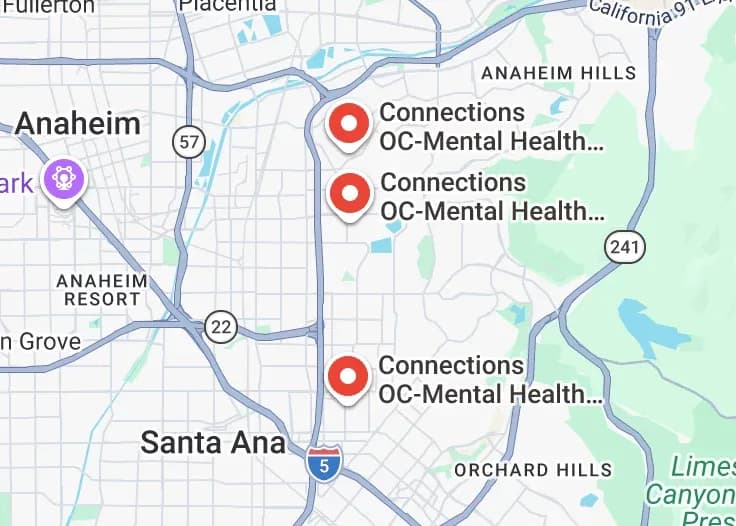
    Tustin, CATustin, CAVilla Park, CAVilla Park, CAOrange, CAOrange, CA
    Location Preview
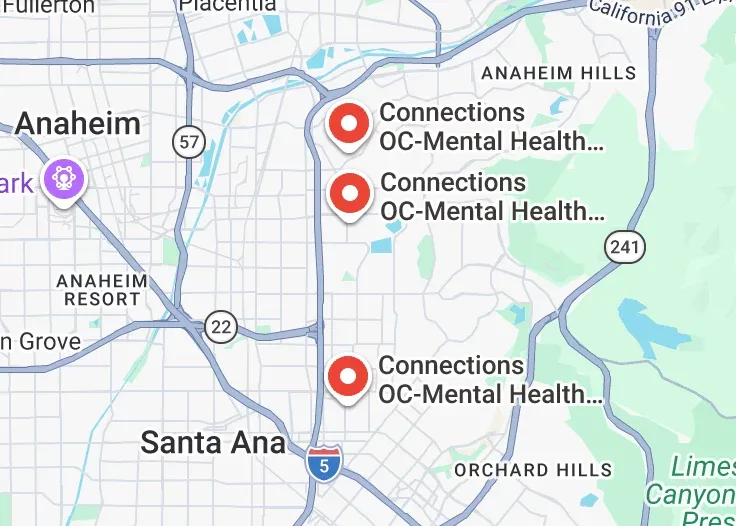
Tustin, CATustin, CAVilla Park, CAVilla Park, CAOrange, CAOrange, CA
Location Preview
Tustin, CATustin, CAVilla Park, CAVilla Park, CAOrange, CAOrange, CA
Location Preview
Areas We Serve

Why I should relocate for rehab?

Menu CTA Image
Mental Health Disorders
Anxiety Disorders
  • Generalized Anxiety Disorder
  • Panic Disorder
  • Obsessive Compulsive Disorder
  • Social Anxiety Disorder
  • Agoraphobia
Mood Disorders
  • Depression Treatment (MentalHealth National)
  • Bipolar Disorder
  • Premenstrual Dysphoric Disorder
  • Disruptive Mood Dysregulation Disorder
  • Major Depressive Disorder
  • Persistent Depressive Disorder
  • Seasonal Affective Disorder
Trauma Disorders
  • Post Traumatic Stress Disorder
  • Adjustment Disorder
Personality Disorders
  • Borderline Personality Disorder
  • Antisocial Personality Disorder
  • Dissociative Identity Disorder
  • Histrionic Personality Disorder
  • Paranoid Personality Disorder
Psychotic Disorders
  • Schizophrenia
  • Schizoaffective Disorder
Neurodevelopment Disorder Treatment (MentalHealth National)
  • ADHD
Areas We Serve

Why I should relocate for rehab?

Menu CTA Image
Mental Health Treatment

Mental Health Treatment

Get dual-diagnosis treatment for SUD and mental health

888-255-2112
  • Cognitive Behavioral TherapyCognitive Behavioral Therapy
  • Dialectical Behavioral TherapyDialectical Behavioral Therapy
  • Seeking Safety TreatmentSeeking Safety Treatment
  • Motivational InterviewingMotivational Interviewing
  • Medication ManagementMedication Management
Areas We Serve

Why I should relocate for rehab?

Menu CTA Image
Contact
657-298-1982
657-298-1982
Skip to content

Can Mental Illness Be Cured?

Picture of Written By:
Written By:

Matthew D'Ursov

Picture of Content Manager:
Content Manager:

Amy Leifeste

Picture of Editor:
Editor:

Karena Mathis

Posted On
June 13, 2024

Treatment Guidance Website Tour

After reading this current page, click on the next page we recommend here, or at the bottom of this page.

At this time, most mental illnesses cannot be cured, but they can usually be treated effectively. Treatment helps minimize symptoms and allows people to function well at work, school, and social settings. To begin treatment, a person should consult a qualified mental health professional. Treatment can involve medications, therapy, or both, depending on the condition and its severity.

This guide outlines which mental health conditions can be treated and how to get effective treatment.

How Is Mental Illness Treated?

Treating mental illness usually involves a combination of methods. 

Inpatient or outpatient rehab

Sometimes, a stay in an inpatient facility is needed, especially if someone is a danger to themselves or others. This provides a safe environment for intensive treatment.

Outpatient programs, by contrast, offer structured treatment while allowing the person to live at home and continue their everyday lives.

Medications

Medications can help manage symptoms of mental illness. There are different types for various conditions. For example:

  • Antidepressants: Help with depression and anxiety
  • Antipsychotics: Treat conditions like schizophrenia
  • Mood stabilizers: Used for bipolar disorder
  • Anti-anxiety medications: Help reduce anxiety

A doctor will prescribe the right medication and dosage for you. Take medications exactly as directed.

Psychotherapy (talk therapy)

Talk therapy helps you understand your thoughts and feelings and learn new ways of coping. There are different kinds, such as:

  • CBT: CBT (cognitive behavioral therapy) focuses on changing negative thought patterns
  • DBT: DBT (dialectical behavior therapy) helps manage emotions and improve relationships
  • Exposure therapy: Helps people face and reduce their fears
  • Family therapy: Involves family members in treatment to improve communication and support

Therapy usually involves regular sessions with a therapist – one-on-one, in a group, or with family members.

Alternative treatments

Holistic treatments like yoga, mindfulness, and meditation can help reduce stress and improve mood. These therapies are best combined with science-based options.

Lifestyle changes

Making sensible lifestyle changes can help improve the symptoms of mental illness.

  • Healthy habits: Good nutrition, regular exercise, and sufficient sleep can improve mental health.
  • Stress management: Techniques like mindfulness, meditation, and yoga can help reduce stress.
  • Routine: Keeping a daily routine can provide stability and improve mood.
  • Support systems: A strong support network can provide emotional help and encouragement. Joining a support group to share experiences with others who understand can be very beneficial.

Mental Illnesses That Can Be Cured

While many mental illnesses can be managed effectively, some conditions can be cured or resolved completely with the right treatment.

Temporary stress-related disorders

  • Examples: ASD (acute stress disorder).
  • Treatment: Therapy and stress management techniques can help resolve symptoms completely.

Certain anxiety disorders

  • Examples: Specific phobias.
  • Treatment: Exposure therapy and CBT (cognitive behavioral therapy) can eliminate the fear response over time.

Mild depression

  • Examples: Situational depression caused by a specific event.
  • Treatment: Therapy, lifestyle changes, and sometimes short-term use of medications can lead to a full recovery.

Adjustment disorders

  • Examples: Stress reactions to major life changes like moving or losing a job.
  • Treatment: Counseling and support can help people adjust and recover fully.

A couple talking representing what happens when you go to therapy

Mental Illnesses That Can Be Managed with Treatment

Many mental illnesses can be managed with the right treatment. 

Depression

  • Symptoms: Feeling very sad, losing interest in activities, changes in appetite and sleep.
  • Treatment: Medications like antidepressants and therapy such as CBT can help manage symptoms.

Anxiety disorders

  • Symptoms: Excessive worry, restlessness, trouble sleeping, and physical symptoms like a fast heartbeat.
  • Treatment: Anti-anxiety medications and therapies like CBT are effective in reducing anxiety.

Bipolar disorder

  • Symptoms: Extreme mood swings with periods of mania (high energy) and depression.
  • Treatment: Mood stabilizers, antipsychotic medications, and therapy can help maintain mood balance.

Schizophrenia

  • Symptoms: Hallucinations, delusions, and disorganized thinking.
  • Treatment: Antipsychotic medications and therapy can manage symptoms and improve quality of life.

PTSD (post-traumatic stress disorder)

  • Symptoms: Flashbacks, nightmares, severe anxiety, and uncontrollable thoughts about a traumatic event.
  • Treatment: Therapy, especially trauma-focused therapies like EMDR, and medications can help manage PTSD symptoms.

OCD (obsessive-compulsive disorder)

  • Symptoms: Repeated, unwanted thoughts (obsessions) and behaviors (compulsions) that the person feels driven to perform.
  • Treatment: Medications like SSRIs and therapies like ERP (exposure and response prevention) can reduce symptoms.

ADHD (attention-deficit hyperactivity disorder)

  • Symptoms: Difficulty paying attention, hyperactivity, and impulsiveness.
  • Treatment: Stimulant medications and behavioral therapies can help manage ADHD symptoms.

Eating disorders

  • Symptoms: Unhealthy eating habits, obsession with weight and body image.
  • Treatment: Therapy, nutritional counseling, and sometimes medications can help people recover from eating disorders.

BPD (borderline personality disorder)

  • Symptoms: Intense mood swings, fear of abandonment, and unstable relationships.
  • Treatment: DBT (dialectical behavior therapy) and medications can help manage symptoms.

With proper treatment, people with these mental illnesses can manage their symptoms and lead fulfilling lives.

Does Insurance Cover Mental Illness Treatment?

Most health insurance plans cover mental health treatment. This includes inpatient and outpatient care, counseling, and treatment for substance use disorders. Coverage details can vary depending on your insurance plan and where you live. Review your policy, contact your insurer, and ask about specific benefits, network restrictions, and any necessary pre-authorizations.

Call our friendly team 24/7 for a free insurance coverage check for inpatient mental health treatment at 844-759-0999.

Can Mental Illness Be Cured? | FAQs

How effective is treatment for mental illness?

Treatment for mental illness can be very effective. Many people experience significant improvements in their symptoms and quality of life with proper treatment.

Is it possible to live a normal life with mental illness?

Yes, it is possible to live a normal life with mental illness. With the right treatment and support, many people manage their symptoms and lead fulfilling lives.

How important is early intervention for mental illness treatment?

Early intervention is important for mental illness treatment. The sooner someone gets help, the better their chances are for managing symptoms and improving their quality of life.

What role does ongoing support play in managing a mental illness?

Ongoing support is essential for managing a mental illness. Support from friends, family, therapists, and support groups helps people stay on track with their treatment and provides encouragement and understanding.

two people hug representing if mental illness can be cured

Get Insurance-Covered Mental Health Treatment at Connections

Do you need help dealing with mental health issues? If so, we offer many treatment programs at Connections Mental Health in Southern California.

If you are nervous about getting treatment, group sizes at Connections are small, with only six people. This lets you get personal attention, reduces overwhelm, and offers support from peers tackling similar issues. The immersive nature of inpatient care means you can focus on healing without distractions.

All mental health conditions are unique, so all treatment programs at Connections offer tailored therapies that include medications, counseling, talk therapy, and family therapy, as well as various holistic options.

For effective and compassionate mental health treatment, call Connections today at 844-759-0999.

PrevPrevious Post
Next PostNext

Related Articles

January 16, 2026

Does Insurance Cover Residential Mental Health Treatment?

October 7, 2025

Why Do I Feel Like Everyone Hates Me?

September 18, 2025

Overstimulated Meaning

Share This Article

Related Blogs

Check out our addiction recovery blog to learn more about substance use disorders and how to get effective treatment.

Does Insurance Cover Residential Mental Health Treatment?

What Is the Goal of Therapy?

Why Do I Feel Like Everyone Hates Me? Tips & What to Do

What Are Common Signs of Overstimulation in Adults?

What to Expect at an Inpatient Behavioral Health Hospital

Residential vs. Inpatient Mental Health Treatment

How to Admit Yourself to a Mental Hospital?

When To Seek Inpatient Mental Health Treatment At A Hospital

Inpatient Mental Health Crisis Treatment

How Long is Residential Mental Health Treatment?

What is Real Event OCD? Signs, Symptoms, and Treatment

What Is Harm OCD? Signs, Symptoms, and Treatment

Why Do I Zone Out So Much? Causes & What To Do

Sertraline (Zoloft) - Uses, Side Effects, and More

What is existential OCD: Signs, Symptoms, Triggers, & Treatment

Hyperfixation vs. Obsession: What’s the difference?

Am I Going Crazy? Understanding Your Mental Health Concerns

Are Your Nightmares Actually Trying to Warn You About Something?

What Is Obsessive Love Disorder? Symptoms, Causes, & Treatment

What Is Hyperfixations? How to Manage It

Best Residential Outpatient Rehab Mental Health Centers in the Country

Best Residential IOP Rehab Mental Health Centers in the Country

Best Residential DBT Therapy Mental Health Centers in the Country

Best Residential EMDR Therapy Mental Health Centers in the Country

Best Residential Depression Treatment Mental Health Centers in the Country

Depression Treatment near Yorba Linda (Residential Mental Health Treatment Centers)

Depression Treatment near Westminster (Residential Mental Health Treatment Centers)

Villa Park Depression Treatment (Residential Mental Health Treatment Centers)

Tustin Depression Treatment (Residential Mental Health Treatment Centers)

Depression Treatment near Stanton (Residential Mental Health Treatment Centers)

Depression Treatment near Seal Beach (Residential Mental Health Treatment Centers)

Depression Treatment near Santa Ana (Residential Mental Health Treatment Centers)

Depression Treatment near San Juan Capistrano (Residential Mental Health Treatment Centers)

Depression Treatment near San Clemente (Residential Mental Health Treatment Centers)

Depression Treatment near Rancho Santa Margarita (Residential Mental Health Treatment Centers)

Rehabs near Orange County FAQs

What types of mental health programs are available in Orange County?

Mental health programs near Orange County offer a full continuum of care, including inpatient treatment, partial hospitalization (PHP), intensive outpatient (IOP), and standard outpatient (OP) services. Whether you’re looking for structured care or flexible support, mental health treatment programs are designed to meet a range of needs.

How do I know if I need mental health treatment near Orange County?

If you’re experiencing persistent feelings of anxiety, depression, stress, mood changes, difficulty coping with daily responsibilities, or emotional challenges that are affecting your work, relationships, or overall well-being, it may be time to seek professional support. A mental health assessment can help determine the level of care that’s right for you and connect you with the appropriate treatment options.

What mental health conditions are treated at Orange County mental health centers?

Mental health treatment centers in Orange County commonly provide care for conditions such as anxiety disorders, depression, bipolar disorder, PTSD, trauma-related disorders, OCD, mood disorders, and other emotional or behavioral health concerns. Treatment plans are personalized to each individual’s unique needs, goals, and clinical recommendations.

Will my insurance cover mental health treatment in Orange County?

Many major insurance providers offer coverage for mental health services, including partial hospitalization (PHP), intensive outpatient (IOP), and outpatient treatment programs. Coverage varies by plan, so verifying your benefits with the treatment center can help you understand your available options and any potential out-of-pocket costs.


Website Guide Progress...

What most patients want to know before they book

1Protect your job while you come to treatmentNEXT2Can Insurance cover rehab treatment?NEXT3Why Traveling or Staying Close to home can both be great options.NEXT4Locations & GalleriesNEXT5Staff pageNEXT6ReviewsNEXT7What to bring to treatmentNEXT8Treatment & Therapies we provideNEXT9Admissions ProcessNEXT10Contact UsNEXT11Residential Inpatient vs Hospital InpatientNEXT

You’re Not Alone.

Get treatment from a team of expert staff who is passionate about helping you experience peace.

Call Now
an image of the Connections Mental Health logo

Tustin
DHCS # MHBL240478
Exp 1/10/27

Joint Commission HCO ID: 690880
Effective Date: 3/8/2025

Villa Park
DHCS #MHBL240509
Exp 9/4/26

Joint Commission HCO ID: 690880
Effective Date: 3/8/2025

Orange
DHCS #MHBT260570
Exp 4/8/27

Joint Commission HCO ID: 690880
Effective Date: 3/8/2025

  • 17811 Bigelow Park, Tustin, CA 92780
  • 17841 Lincoln St Villa Park, CA 92861
  • 2403 N Shady Forest Ln Orange, CA 92867
  • Privacy Policy
  • Sitemap
About Us

About Us

Effective residential inpatient mental health treatment.

Get to know us
Who We Are
  • Staff
  • Our Facilities
Resources
  • Blog
  • FAQ
  • Insurance Verification
  • Reviews
Areas We Serve

Why I should relocate for rehab?

Menu CTA Image
Locations

Locations

Choose from our beautiful locations near beaches & national parks.

888-255-2112
California
  • Orange County
    Tustin, CATustin, CAVilla Park, CAVilla Park, CAOrange, CAOrange, CA
    Location Preview
Tustin, CATustin, CAVilla Park, CAVilla Park, CAOrange, CAOrange, CA
Location Preview
Tustin, CATustin, CAVilla Park, CAVilla Park, CAOrange, CAOrange, CA
Location Preview
Areas We Serve

Why I should relocate for rehab?

Menu CTA Image
Mental Health Disorders
Anxiety Disorders
  • Generalized Anxiety Disorder
  • Panic Disorder
  • Obsessive Compulsive Disorder
  • Social Anxiety Disorder
  • Agoraphobia
Mood Disorders
  • Depression Treatment (MentalHealth National)
  • Bipolar Disorder
  • Premenstrual Dysphoric Disorder
  • Disruptive Mood Dysregulation Disorder
  • Major Depressive Disorder
  • Persistent Depressive Disorder
  • Seasonal Affective Disorder
Trauma Disorders
  • Post Traumatic Stress Disorder
  • Adjustment Disorder
Personality Disorders
  • Borderline Personality Disorder
  • Antisocial Personality Disorder
  • Dissociative Identity Disorder
  • Histrionic Personality Disorder
  • Paranoid Personality Disorder
Psychotic Disorders
  • Schizophrenia
  • Schizoaffective Disorder
Neurodevelopment Disorder Treatment (MentalHealth National)
  • ADHD
Areas We Serve

Why I should relocate for rehab?

Menu CTA Image
Mental Health Treatment

Mental Health Treatment

Get dual-diagnosis treatment for SUD and mental health

888-255-2112
  • Cognitive Behavioral TherapyCognitive Behavioral Therapy
  • Dialectical Behavioral TherapyDialectical Behavioral Therapy
  • Seeking Safety TreatmentSeeking Safety Treatment
  • Motivational InterviewingMotivational Interviewing
  • Medication ManagementMedication Management
Areas We Serve

Why I should relocate for rehab?

Menu CTA Image
Contact
Verify Insurance
Call Now

Where Lasting Mental Health Treatment Truly Begins

Connect with our compassionate clinicians to get a personalized mental health treatment plan designed around your needs.
844-759-0999

Learn more about the individual mental health disorders we treat by clicking a button below.

Schizophrenia Disorder
Schizoaffective Disorder
Premenstrual Disphoric Disorder (PMDD)
Cyclothymia
Hypomania
Major Depressive Disorder (MDD)
Disruptive Mood Disregulation Disorder (DMDD)Disorder
Persistent Depressive Disorder (PDD)
ADHD
Social Anxiety Disorder
Major Depressive Disorder (MDD)
Disruptive Mood Disregulation Disorder (DMDD)Disorder
Persistent Depressive Disorder (PDD)
ADHD
Social Anxiety Disorder
Autism Spectrum Disorder (ASD)
Generalized Anxiety Disorder
Social Anxiety Disorder
Agoraphobia
Separation Anxiety Disorder
Dissociative Panic Disorder
Antisocial Personality Disorder
Paranoid Personality Disorder
Adjustment Disorder
Borderline Personality Disorder
USERJOURNEYGUIDE
Website GuideHand-picked pages that help our visitors
0 of 11 visited
  • 1Protect your job while you come to treatment+ Recommended next step
  • 2Can Insurance cover rehab treatment?
  • 3Why Traveling or Staying Close to home can both be great options.
  • 4Locations & Galleries
  • 5Staff page
  • 6Reviews
  • 7What to bring to treatment
  • 8Treatment & Therapies we provide
  • 9Admissions Process
  • 10Contact Us
  • 11Residential Inpatient vs Hospital Inpatient