
About Us

About Us

Effective residential inpatient mental health treatment.

Get to know us
Who We Are
  • Staff
  • Our Facilities
Resources
  • Blog
  • FAQ
  • Insurance Verification
  • Reviews
Areas We Serve

Why I should relocate for rehab?

Menu CTA Image
Locations

Locations

Choose from our beautiful locations near beaches & national parks.

888-255-2112
California
  • Orange County
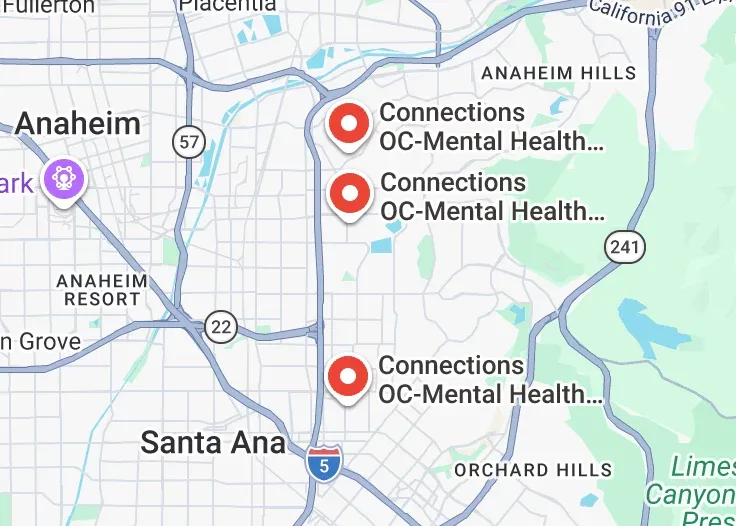
    Tustin, CATustin, CAVilla Park, CAVilla Park, CAOrange, CAOrange, CA
    Location Preview
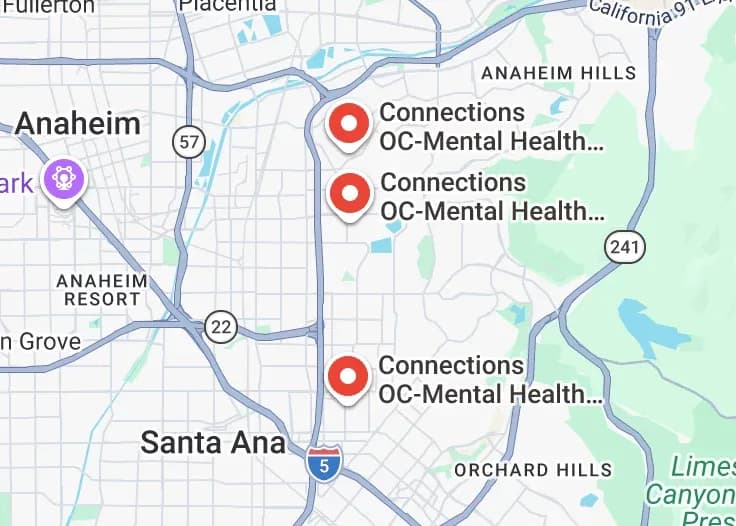
Tustin, CATustin, CAVilla Park, CAVilla Park, CAOrange, CAOrange, CA
Location Preview
Tustin, CATustin, CAVilla Park, CAVilla Park, CAOrange, CAOrange, CA
Location Preview
Areas We Serve

Why I should relocate for rehab?

Menu CTA Image
Mental Health Disorders
Anxiety Disorders
  • Generalized Anxiety Disorder
  • Panic Disorder
  • Obsessive Compulsive Disorder
  • Social Anxiety Disorder
  • Agoraphobia
Mood Disorders
  • Depression Treatment (MentalHealth National)
  • Bipolar Disorder
  • Premenstrual Dysphoric Disorder
  • Disruptive Mood Dysregulation Disorder
  • Major Depressive Disorder
  • Persistent Depressive Disorder
  • Seasonal Affective Disorder
Trauma Disorders
  • Post Traumatic Stress Disorder
  • Adjustment Disorder
Personality Disorders
  • Borderline Personality Disorder
  • Antisocial Personality Disorder
  • Dissociative Identity Disorder
  • Histrionic Personality Disorder
  • Paranoid Personality Disorder
Psychotic Disorders
  • Schizophrenia
  • Schizoaffective Disorder
Neurodevelopment Disorder Treatment (MentalHealth National)
  • ADHD
Areas We Serve

Why I should relocate for rehab?

Menu CTA Image
Mental Health Treatment

Mental Health Treatment

Get dual-diagnosis treatment for SUD and mental health

888-255-2112
  • Cognitive Behavioral TherapyCognitive Behavioral Therapy
  • Dialectical Behavioral TherapyDialectical Behavioral Therapy
  • Seeking Safety TreatmentSeeking Safety Treatment
  • Motivational InterviewingMotivational Interviewing
  • Medication ManagementMedication Management
Areas We Serve

Why I should relocate for rehab?

Menu CTA Image
Contact
657-298-1982
657-298-1982
Skip to content

How to Stage a Mental Health Intervention

Picture of Written By:
Written By:

Matthew D'Ursov

Picture of Content Manager:
Content Manager:

Amy Leifeste

Picture of Editor:
Editor:

Karena Mathis

Posted On
February 20, 2024

Treatment Guidance Website Tour

After reading this current page, click on the next page we recommend here, or at the bottom of this page.

Every year, about 20% of adults in the United States face mental health issues like depression or anxiety. These conditions can disrupt a person’s ability to manage daily activities and may also lead to physical health problems.

Engaging with evidence-based treatment can enable individuals with mental illnesses to lead fulfilling and productive lives. That said, not all of them have access to the necessary support systems. This is where interventions for mental health can be beneficial.

A mental health intervention, also known as a psychiatric or psychological intervention, is a gathering where family and friends meet with someone they believe needs professional help for mental health or substance abuse problems. To increase the likelihood of a successful outcome, this guide to how to do a family intervention for mental illness includes plenty of actionable tips and shows you how to find effective mental health treatment near you.

What Is a Mental Health Intervention?

What are psychological interventions, then? An intervention for mental health is an organized meeting where family members and close friends come together to approach a loved one who they believe is in need of professional help for mental health or substance abuse issues. This step is usually considered when previous individual efforts to encourage treatment have been unsuccessful, often meeting resistance or evasion from the person in question. 

The primary goal of a mental health intervention is to help the person recognize the extent of their issue and the impact it has on themselves and their loved ones and to motivate them to agree to seek professional help.

Mental health interventions fall into two main categories, each requiring a distinct approach.

  1. Mental health crisis interventions: A mental health crisis intervention is necessary during acute episodes, such as when someone with schizophrenia experiences severe symptoms like catatonia or delusions. Unlike addiction interventions where family and friends gather to express their concerns, a mental health crisis intervention often involves a small team of trained professionals. This team is available around the clock and specializes in swiftly moving the individual to community-based intensive treatment. The aim is to de-escalate the crisis and avoid hospitalization, as large groups can exacerbate the situation.
  2. Interventions for worsening conditions: Mental health issues don’t always manifest in dramatic episodes. Oftentimes, they lead to emotional distress and difficulties in work, social, and family life. Signs can range from impaired job performance and poor communication to a lack of self-care. The severity varies widely. Some people may function relatively well with conditions like depression or anxiety, while others might struggle significantly with daily tasks.

When warning signs such as a loss of interest in previously enjoyed activities or significant changes in sleep patterns appear – especially if these affect the person’s ability to function – it might be time to learn how to stage an intervention for mental illness. That said, interventions for mental health differ from those for addiction. Due to the nature and complexity of mental illnesses, a tailored approach is needed. The goal is the same, though: to help the person appreciate the value of professional assistance. That said, someone with a mental health condition might not recognize they have a problem, even when faced with evidence to the contrary.

In cases of mental health conditions like depression or bipolar disorder, a large gathering of friends and family discussing the negative impacts might not be effective. Instead, a smaller and more intimate group of one or two people is often more successful in creating a conducive environment for recognizing the need for help.

group therapy session representing psychiatric intervention

Knowing When to Stage a Mental Health Intervention

The timing of the intervention can significantly impact its effectiveness. Look for key signs indicating that the person’s condition is affecting their ability to function normally in daily life. These signs can include noticeable changes in behavior, such as withdrawal from social activities, a decline in work or academic performance, drastic changes in sleep patterns, or a visible decline in self-care.

Additionally, if there are clear indications of emotional distress, such as persistent sadness, anxiety, or mood swings, it may be time to consider an intervention. It’s especially pressing to act when these changes lead to a diminished quality of life or pose a risk to the person’s well-being.

Keep in mind that the goal of a mental health intervention isn’t to confront but to offer support and guide the person toward professional help. It’s about expressing concern in a loving and non-judgmental way, ensuring that the person understands the intervention is coming from a place of care and desire to help. Timing and approach are paramount, and it’s often helpful to consult with a mental health professional for guidance on when and how to effectively stage an intervention.

5 Steps to Stage a Mental Health Intervention

Following best practices for interventions can greatly increase the likelihood of a positive response and willingness to get help. Here’s how to do this in 5 easy steps:

  1. Gather information: Before staging an intervention, educate yourself about the specific mental health condition affecting your loved one. Understanding the symptoms, challenges, and potential treatment options can help you approach the intervention with empathy and knowledge. Consulting with mental health professionals can also provide valuable insights and strategies.
  2. Consult a professional: Consider involving a mental health professional in the planning and execution of the intervention. They can offer expertise in dealing with sensitive situations and can provide immediate support and resources. Their presence can also underscore the seriousness of the situation and the need for professional help.
  3. Form a team: Choose a small group of people who are close to the individual. It should be someone that they trust and respect. This team should ideally include those who have a positive influence and can communicate their concerns effectively and compassionately. Avoid including anyone who might exacerbate tensions or who has unresolved issues with the person.
  4. Plan the intervention: Careful planning is a must. Decide on a time and place where the person will feel safe and comfortable. Prepare what each person will say, focusing on expressing concern and love rather than criticism or judgment. It can be helpful to rehearse beforehand to ensure the message is clear and supportive.
  5. Be prepared for any outcome: The course of an intervention and the individual’s reaction are unpredictable. Practicing various scenarios and responses with a specialist can prepare participants for any situation. The specialist’s presence helps maintain calm and provides guidance on when to seek emergency assistance if the intervention becomes unsafe.

Make sure that you have a clear plan for the type of treatment and potential treatment locations if the person agrees to seek help. The specialist can assist in formulating this plan, including various alternatives. Equally important is for each group member to determine their course of action if the person refuses professional help. This includes considering how their relationship with the individual will evolve in such a scenario.

In cases where the person agrees to a treatment plan, the group must decide on ways to help them adhere to it and offer continuous support throughout the treatment process. Both accountability and support are vital to ensure that the person is motivated to keep the commitments made during the intervention, so increasing the chances of positive treatment outcomes.

Getting a Loved One Treatment for Mental Health

Every year, one in five U.S. adults face mental health issues, according to NAMI (National Alliance on Mental Illness). Receiving treatment can enable individuals with mental illnesses to lead fulfilling and productive lives. However, not all of them have access to the necessary support systems. Here’s how you can go about achieving this in Southern California.

an image of people who learn about what are interventions for mental health

Get Mental Health Treatment for Your Loved One at Connections

If you need to help your loved one address mental health challenges, we offer compassionate and evidence-based mental health treatment at Connections in Southern California.

Your loved one will a have chance to engage with a personalized array of therapies designed to help improve well-being and restore functioning. We limit intake to just six people at any one time, ensuring that your friend or family member receives plenty of individualized care, while at the same time benefiting from the support of peers grappling with similar experiences. Your loved one can also forge meaningful connections for ongoing recovery.

Interventions for mental health disorders might not be the first option, but they can often be effective as a last resort. Call 844-759-0999 for assistance getting your loved one the mental health treatment they need.

PrevPrevious Post
Next PostNext

Related Articles

January 16, 2026

Does Insurance Cover Residential Mental Health Treatment?

October 7, 2025

Why Do I Feel Like Everyone Hates Me?

September 18, 2025

Overstimulated Meaning

Share This Article

Related Blogs

Check out our addiction recovery blog to learn more about substance use disorders and how to get effective treatment.

Rehabs near Orange County FAQs

What types of mental health programs are available in Orange County?

Mental health programs near Orange County offer a full continuum of care, including inpatient treatment, partial hospitalization (PHP), intensive outpatient (IOP), and standard outpatient (OP) services. Whether you’re looking for structured care or flexible support, mental health treatment programs are designed to meet a range of needs.

How do I know if I need mental health treatment near Orange County?

If you’re experiencing persistent feelings of anxiety, depression, stress, mood changes, difficulty coping with daily responsibilities, or emotional challenges that are affecting your work, relationships, or overall well-being, it may be time to seek professional support. A mental health assessment can help determine the level of care that’s right for you and connect you with the appropriate treatment options.

What mental health conditions are treated at Orange County mental health centers?

Mental health treatment centers in Orange County commonly provide care for conditions such as anxiety disorders, depression, bipolar disorder, PTSD, trauma-related disorders, OCD, mood disorders, and other emotional or behavioral health concerns. Treatment plans are personalized to each individual’s unique needs, goals, and clinical recommendations.

Will my insurance cover mental health treatment in Orange County?

Many major insurance providers offer coverage for mental health services, including partial hospitalization (PHP), intensive outpatient (IOP), and outpatient treatment programs. Coverage varies by plan, so verifying your benefits with the treatment center can help you understand your available options and any potential out-of-pocket costs.

Website Guide Progress...

What most patients want to know before they book

1Protect your job while you come to treatmentNEXT2Can Insurance cover rehab treatment?NEXT3Why Traveling or Staying Close to home can both be great options.NEXT4Locations & GalleriesNEXT5Staff pageNEXT6ReviewsNEXT7What to bring to treatmentNEXT8Treatment & Therapies we provideNEXT9Admissions ProcessNEXT10Contact UsNEXT11Residential Inpatient vs Hospital InpatientNEXT

You’re Not Alone.

Get treatment from a team of expert staff who is passionate about helping you experience peace.

Call Now
an image of the Connections Mental Health logo

Tustin
DHCS # MHBL240478
Exp 1/10/27

Joint Commission HCO ID: 690880
Effective Date: 3/8/2025

Villa Park
DHCS #MHBL240509
Exp 9/4/26

Joint Commission HCO ID: 690880
Effective Date: 3/8/2025

Orange
DHCS #MHBT260570
Exp 4/8/27

Joint Commission HCO ID: 690880
Effective Date: 3/8/2025

  • 17811 Bigelow Park, Tustin, CA 92780
  • 17841 Lincoln St Villa Park, CA 92861
  • 2403 N Shady Forest Ln Orange, CA 92867
  • Privacy Policy
  • Sitemap
About Us

About Us

Effective residential inpatient mental health treatment.

Get to know us
Who We Are
  • Staff
  • Our Facilities
Resources
  • Blog
  • FAQ
  • Insurance Verification
  • Reviews
Areas We Serve

Why I should relocate for rehab?

Menu CTA Image
Locations

Locations

Choose from our beautiful locations near beaches & national parks.

888-255-2112
California
  • Orange County
    Tustin, CATustin, CAVilla Park, CAVilla Park, CAOrange, CAOrange, CA
    Location Preview
Tustin, CATustin, CAVilla Park, CAVilla Park, CAOrange, CAOrange, CA
Location Preview
Tustin, CATustin, CAVilla Park, CAVilla Park, CAOrange, CAOrange, CA
Location Preview
Areas We Serve

Why I should relocate for rehab?

Menu CTA Image
Mental Health Disorders
Anxiety Disorders
  • Generalized Anxiety Disorder
  • Panic Disorder
  • Obsessive Compulsive Disorder
  • Social Anxiety Disorder
  • Agoraphobia
Mood Disorders
  • Depression Treatment (MentalHealth National)
  • Bipolar Disorder
  • Premenstrual Dysphoric Disorder
  • Disruptive Mood Dysregulation Disorder
  • Major Depressive Disorder
  • Persistent Depressive Disorder
  • Seasonal Affective Disorder
Trauma Disorders
  • Post Traumatic Stress Disorder
  • Adjustment Disorder
Personality Disorders
  • Borderline Personality Disorder
  • Antisocial Personality Disorder
  • Dissociative Identity Disorder
  • Histrionic Personality Disorder
  • Paranoid Personality Disorder
Psychotic Disorders
  • Schizophrenia
  • Schizoaffective Disorder
Neurodevelopment Disorder Treatment (MentalHealth National)
  • ADHD
Areas We Serve

Why I should relocate for rehab?

Menu CTA Image
Mental Health Treatment

Mental Health Treatment

Get dual-diagnosis treatment for SUD and mental health

888-255-2112
  • Cognitive Behavioral TherapyCognitive Behavioral Therapy
  • Dialectical Behavioral TherapyDialectical Behavioral Therapy
  • Seeking Safety TreatmentSeeking Safety Treatment
  • Motivational InterviewingMotivational Interviewing
  • Medication ManagementMedication Management
Areas We Serve

Why I should relocate for rehab?

Menu CTA Image
Contact
Verify Insurance
Call Now

Where Lasting Mental Health Treatment Truly Begins

Connect with our compassionate clinicians to get a personalized mental health treatment plan designed around your needs.
844-759-0999

Learn more about the individual mental health disorders we treat by clicking a button below.

Schizophrenia Disorder
Schizoaffective Disorder
Premenstrual Disphoric Disorder (PMDD)
Cyclothymia
Hypomania
Major Depressive Disorder (MDD)
Disruptive Mood Disregulation Disorder (DMDD)Disorder
Persistent Depressive Disorder (PDD)
ADHD
Social Anxiety Disorder
Major Depressive Disorder (MDD)
Disruptive Mood Disregulation Disorder (DMDD)Disorder
Persistent Depressive Disorder (PDD)
ADHD
Social Anxiety Disorder
Autism Spectrum Disorder (ASD)
Generalized Anxiety Disorder
Social Anxiety Disorder
Agoraphobia
Separation Anxiety Disorder
Dissociative Panic Disorder
Antisocial Personality Disorder
Paranoid Personality Disorder
Adjustment Disorder
Borderline Personality Disorder
USERJOURNEYGUIDE
Website GuideHand-picked pages that help our visitors
0 of 11 visited
  • 1Protect your job while you come to treatment+ Recommended next step
  • 2Can Insurance cover rehab treatment?
  • 3Why Traveling or Staying Close to home can both be great options.
  • 4Locations & Galleries
  • 5Staff page
  • 6Reviews
  • 7What to bring to treatment
  • 8Treatment & Therapies we provide
  • 9Admissions Process
  • 10Contact Us
  • 11Residential Inpatient vs Hospital Inpatient