
About Us

About Us

Effective residential inpatient mental health treatment.

Get to know us
Who We Are
  • Staff
  • Our Facilities
Resources
  • Blog
  • FAQ
  • Insurance Verification
  • Reviews
Areas We Serve

Why I should relocate for rehab?

Menu CTA Image
Locations

Locations

Choose from our beautiful locations near beaches & national parks.

888-255-2112
California
  • Orange County
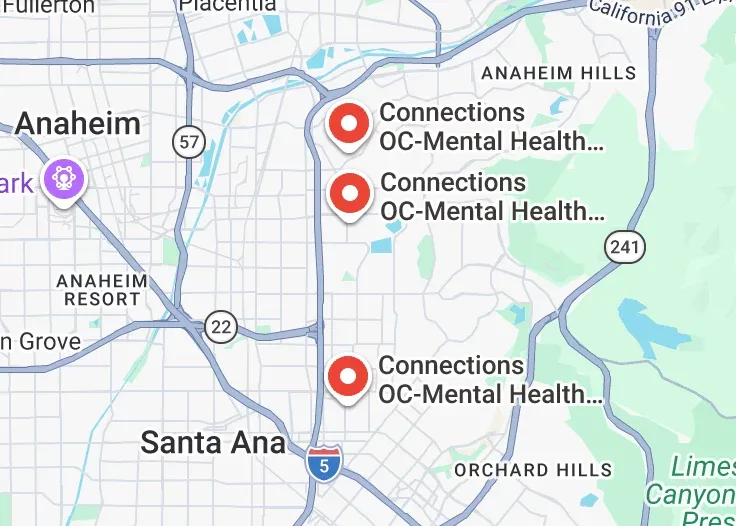
    Tustin, CATustin, CAVilla Park, CAVilla Park, CAOrange, CAOrange, CA
    Location Preview
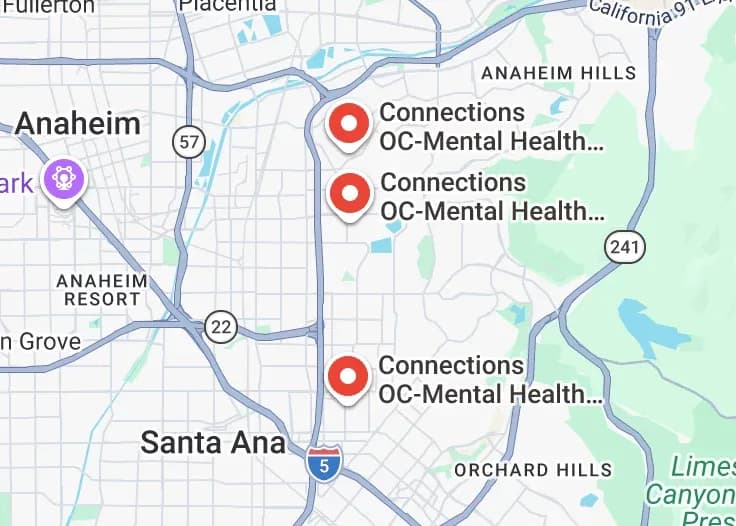
Tustin, CATustin, CAVilla Park, CAVilla Park, CAOrange, CAOrange, CA
Location Preview
Tustin, CATustin, CAVilla Park, CAVilla Park, CAOrange, CAOrange, CA
Location Preview
Areas We Serve

Why I should relocate for rehab?

Menu CTA Image
Mental Health Disorders
Anxiety Disorders
  • Generalized Anxiety Disorder
  • Panic Disorder
  • Obsessive Compulsive Disorder
  • Social Anxiety Disorder
  • Agoraphobia
Mood Disorders
  • Depression Treatment (MentalHealth National)
  • Bipolar Disorder
  • Premenstrual Dysphoric Disorder
  • Disruptive Mood Dysregulation Disorder
  • Major Depressive Disorder
  • Persistent Depressive Disorder
  • Seasonal Affective Disorder
Trauma Disorders
  • Post Traumatic Stress Disorder
  • Adjustment Disorder
Personality Disorders
  • Borderline Personality Disorder
  • Antisocial Personality Disorder
  • Dissociative Identity Disorder
  • Histrionic Personality Disorder
  • Paranoid Personality Disorder
Psychotic Disorders
  • Schizophrenia
  • Schizoaffective Disorder
Neurodevelopment Disorder Treatment (MentalHealth National)
  • ADHD
Areas We Serve

Why I should relocate for rehab?

Menu CTA Image
Mental Health Treatment

Mental Health Treatment

Get dual-diagnosis treatment for SUD and mental health

888-255-2112
  • Cognitive Behavioral TherapyCognitive Behavioral Therapy
  • Dialectical Behavioral TherapyDialectical Behavioral Therapy
  • Seeking Safety TreatmentSeeking Safety Treatment
  • Motivational InterviewingMotivational Interviewing
  • Medication ManagementMedication Management
Areas We Serve

Why I should relocate for rehab?

Menu CTA Image
Contact
657-298-1982
657-298-1982
Skip to content

Holidays & Mental Health: How to Overcome Holiday Stress

Picture of Written By:
Written By:

Matthew D'Ursov

Picture of Content Manager:
Content Manager:

Amy Leifeste

Picture of Editor:
Editor:

Karena Mathis

Posted On
October 3, 2023

Treatment Guidance Website Tour

After reading this current page, click on the next page we recommend here, or at the bottom of this page.

Holiday mental health awareness can help streamline the rewarding but potentially stressful holiday period. Individuals and families grappling with mental health difficulties may find the holiday season to be a period marked by loneliness and stress, often accompanied by feelings of anxiety and depression. For those living with a mental health condition, the added stress can inflame existing symptoms.

This guide to mental health and the holidays includes:

  • Mental health and holiday stress: how to fight back.
  • Holiday mental health statistics.
  • Mental health resources for the holidays – how to connect with help in Southern California.

How Holidays Affect Mental Health

The holiday season can have both positive and negative effects on mental health. Developing an awareness of the impacts of mental health during the holidays will help you manage your well-being during this time.

Depression During Holidays

Depression and the holidays often coincide. Mental health during holiday season can be affected in the following ways:

  • Holiday blues: Many individuals experience the holiday blues, characterized by feelings of sadness, loneliness, or melancholy during the season.
  • Grief and loss: The holidays can magnify feelings of grief, particularly for those who have lost loved ones. Coping during the holidays can be especially demanding.
  • Financial stress: The financial burden of gift-giving, travel, and holiday-related expenses can contribute to stress and depression.
  • Social isolation: Some people may feel isolated if they don’t have a strong support network or if their loved ones are far away during the holidays.

Anxiety During Holidays

Holidays and mental health issues like anxiety may become problematic.

  • Social anxiety: The pressure to attend gatherings, socialize, and meet expectations can trigger social anxiety in some individuals.
  • Perfectionism: Striving for the perfect holiday can lead to anxiety and stress. The desire for flawless decorations, meals, or gifts can be overwhelming.
  • Family dynamics: Family gatherings can be fraught with tension and conflict, leading to heightened anxiety.
  • Substance use: The availability of alcohol and the prevalence of drinking during the holidays can be anxiety-inducing for those in recovery.

Understanding these holiday-related stressors and their impact on mental health can help inform effective self-care and coping during the holiday season. 

Why are Holidays Hard on Mental Health?

Holiday mental health can be challenged in many different ways.

  • Expectations and pressure: There is often immense pressure to create the perfect holiday experience, which can lead to stress, anxiety, and even feelings of inadequacy.
  • Loneliness: For individuals who are separated from loved ones or have experienced loss, the holiday season can intensify feelings of loneliness and grief.
  • Financial strain: The cost of gifts, travel, and holiday-related expenses can strain finances, leading to anxiety and worry.
  • Social obligations: The need to attend gatherings and socialize can be overwhelming, especially for those with social anxiety or introverted personalities.
  • Family dynamics: Family gatherings may bring unresolved conflicts or strained relationships to the forefront, causing emotional distress.
  • SAD (seasonal affective disorder): Some individuals experience SAD (seasonal affective disorder), a form of depression triggered by the change in seasons and reduced daylight during the winter months.
  • Substance use triggers: The availability of alcohol and the cultural association of drinking during holidays can be triggering for individuals in recovery from substance use disorders.
  • Comparisons: Browsing idealized holiday portrayals on social media or in the media can trigger feelings of inadequacy and sadness based on flawed comparisons.
  • Overcommitment: Overcommitting to holiday events and obligations can lead to exhaustion and stress.

Recognizing these challenges and implementing strategies for self-care and mental health support can help individuals navigate the holiday season with greater resilience and well-being.

Image representing how depression affect mental health

Holiday Mental Health Tips

The holiday season can be emotionally challenging for many. To prioritize your mental well-being during this time, consider these actionable tips:

Manage Expectations

Avoid setting overly high or unattainable expectations for the holidays. Accept that not every moment will be perfect, and that’s okay.

Focus on the meaning

Shift your focus from material aspects to the meaning of the holidays. Embrace the values of love, gratitude, and togetherness.

Simplify celebrations

Simplify your holiday plans and activities to reduce stress. Prioritize what truly matters to you and your loved ones.

Create time to be alone if needed

Find moments of solitude to recharge and reflect. Whether it’s reading, meditating, or taking a walk, carve out time for yourself.

Set boundaries

Communicate your need for alone time to family and friends. Establishing boundaries can help you maintain your mental well-being.

Monitor stress levels

Incorporate stress-reduction practices into your routine, such as deep breathing exercises, yoga, or mindfulness meditation.

Reach out for support

Don’t hesitate to seek support from a therapist, counselor, or support group if you find yourself overwhelmed during the holiday season.

Limit alcohol and substance use

Be mindful of your alcohol or substance use during the holidays, as it can cause or inflame stress and negatively impact your mental health.

Stay active

Engage in regular physical activity to release endorphins and reduce stress. Even short walks or home workouts can be beneficial.

Prioritize your mental health during the holidays by managing expectations, creating time for self-care, and monitoring stress levels. 

Additional Mental Health Resources for the Holidays

The holiday season can be a challenging time for mental health, but there are additional resources available to support individuals during this period:

  • Public Health Collaborative: They provide a document that addresses mental health and the holidays, offering guidance on acknowledging and managing stress, anxiety, and loneliness during this season.
  • FHE Health: Offers a comprehensive Toolbox for Mental Health and the Holidays, which includes insights on identifying triggers, maintaining mental health, and recognizing potential issues that may arise during the holidays, particularly for individuals in recovery.
  • Psychology Today: Provides suggestions for safeguarding your mental health during the holiday season, including tips on identifying holiday triggers that may affect your emotional well-being.
  • Mental Health America: Offers Hope for The Holidays, a resource covering various topics, from managing alcohol addiction recovery during the holidays to handling SAD (seasonal affective disorder).
  • NAMI (National Alliance on Mental Illness): Provides multiple resources, including blogs on managing mental health during the holidays, coping with painful emotions, and tips for avoiding holiday stressors. If you are struggling, NAMI also offers help through their website.

These resources can help support mental health during the holiday season, providing guidance and strategies for coping with common challenges and maintaining emotional well-being.

image representing holiday mental health tips

Get Help for Mental Health Treatment at Connections

If you or someone that you care about requires help with any mental health issues, we offer a broad spectrum of mental health treatment programs at Connections Mental Health in Southern California.

Our close-knit team delivers personalized and compassionate treatment for all types of mental health conditions in a welcoming, inclusive setting, helping those with mental health conditions to find stability, peace, and healing.

Whether you need help during the holiday season or at any other time of year, call 844-759-0999 to discover how you can improve your mental health and overall well-being by engaging with inpatient treatment in Southern California.

PrevPrevious Post
Next PostNext

Related Articles

January 16, 2026

Does Insurance Cover Residential Mental Health Treatment?

October 7, 2025

Why Do I Feel Like Everyone Hates Me?

September 18, 2025

Overstimulated Meaning

Share This Article

Related Blogs

Check out our addiction recovery blog to learn more about substance use disorders and how to get effective treatment.

Rehabs near Orange County FAQs

What types of mental health programs are available in Orange County?

Mental health programs near Orange County offer a full continuum of care, including inpatient treatment, partial hospitalization (PHP), intensive outpatient (IOP), and standard outpatient (OP) services. Whether you’re looking for structured care or flexible support, mental health treatment programs are designed to meet a range of needs.

How do I know if I need mental health treatment near Orange County?

If you’re experiencing persistent feelings of anxiety, depression, stress, mood changes, difficulty coping with daily responsibilities, or emotional challenges that are affecting your work, relationships, or overall well-being, it may be time to seek professional support. A mental health assessment can help determine the level of care that’s right for you and connect you with the appropriate treatment options.

What mental health conditions are treated at Orange County mental health centers?

Mental health treatment centers in Orange County commonly provide care for conditions such as anxiety disorders, depression, bipolar disorder, PTSD, trauma-related disorders, OCD, mood disorders, and other emotional or behavioral health concerns. Treatment plans are personalized to each individual’s unique needs, goals, and clinical recommendations.

Will my insurance cover mental health treatment in Orange County?

Many major insurance providers offer coverage for mental health services, including partial hospitalization (PHP), intensive outpatient (IOP), and outpatient treatment programs. Coverage varies by plan, so verifying your benefits with the treatment center can help you understand your available options and any potential out-of-pocket costs.

Website Guide Progress...

What most patients want to know before they book

1Protect your job while you come to treatmentNEXT2Can Insurance cover rehab treatment?NEXT3Why Traveling or Staying Close to home can both be great options.NEXT4Locations & GalleriesNEXT5Staff pageNEXT6ReviewsNEXT7What to bring to treatmentNEXT8Treatment & Therapies we provideNEXT9Admissions ProcessNEXT10Contact UsNEXT11Residential Inpatient vs Hospital InpatientNEXT

You’re Not Alone.

Get treatment from a team of expert staff who is passionate about helping you experience peace.

Call Now
an image of the Connections Mental Health logo

Tustin
DHCS # MHBL240478
Exp 1/10/27

Joint Commission HCO ID: 690880
Effective Date: 3/8/2025

Villa Park
DHCS #MHBL240509
Exp 9/4/26

Joint Commission HCO ID: 690880
Effective Date: 3/8/2025

Orange
DHCS #MHBT260570
Exp 4/8/27

Joint Commission HCO ID: 690880
Effective Date: 3/8/2025

  • 17811 Bigelow Park, Tustin, CA 92780
  • 17841 Lincoln St Villa Park, CA 92861
  • 2403 N Shady Forest Ln Orange, CA 92867
  • Privacy Policy
  • Sitemap
About Us

About Us

Effective residential inpatient mental health treatment.

Get to know us
Who We Are
  • Staff
  • Our Facilities
Resources
  • Blog
  • FAQ
  • Insurance Verification
  • Reviews
Areas We Serve

Why I should relocate for rehab?

Menu CTA Image
Locations

Locations

Choose from our beautiful locations near beaches & national parks.

888-255-2112
California
  • Orange County
    Tustin, CATustin, CAVilla Park, CAVilla Park, CAOrange, CAOrange, CA
    Location Preview
Tustin, CATustin, CAVilla Park, CAVilla Park, CAOrange, CAOrange, CA
Location Preview
Tustin, CATustin, CAVilla Park, CAVilla Park, CAOrange, CAOrange, CA
Location Preview
Areas We Serve

Why I should relocate for rehab?

Menu CTA Image
Mental Health Disorders
Anxiety Disorders
  • Generalized Anxiety Disorder
  • Panic Disorder
  • Obsessive Compulsive Disorder
  • Social Anxiety Disorder
  • Agoraphobia
Mood Disorders
  • Depression Treatment (MentalHealth National)
  • Bipolar Disorder
  • Premenstrual Dysphoric Disorder
  • Disruptive Mood Dysregulation Disorder
  • Major Depressive Disorder
  • Persistent Depressive Disorder
  • Seasonal Affective Disorder
Trauma Disorders
  • Post Traumatic Stress Disorder
  • Adjustment Disorder
Personality Disorders
  • Borderline Personality Disorder
  • Antisocial Personality Disorder
  • Dissociative Identity Disorder
  • Histrionic Personality Disorder
  • Paranoid Personality Disorder
Psychotic Disorders
  • Schizophrenia
  • Schizoaffective Disorder
Neurodevelopment Disorder Treatment (MentalHealth National)
  • ADHD
Areas We Serve

Why I should relocate for rehab?

Menu CTA Image
Mental Health Treatment

Mental Health Treatment

Get dual-diagnosis treatment for SUD and mental health

888-255-2112
  • Cognitive Behavioral TherapyCognitive Behavioral Therapy
  • Dialectical Behavioral TherapyDialectical Behavioral Therapy
  • Seeking Safety TreatmentSeeking Safety Treatment
  • Motivational InterviewingMotivational Interviewing
  • Medication ManagementMedication Management
Areas We Serve

Why I should relocate for rehab?

Menu CTA Image
Contact
Verify Insurance
Call Now

Where Lasting Mental Health Treatment Truly Begins

Connect with our compassionate clinicians to get a personalized mental health treatment plan designed around your needs.
844-759-0999

Learn more about the individual mental health disorders we treat by clicking a button below.

Schizophrenia Disorder
Schizoaffective Disorder
Premenstrual Disphoric Disorder (PMDD)
Cyclothymia
Hypomania
Major Depressive Disorder (MDD)
Disruptive Mood Disregulation Disorder (DMDD)Disorder
Persistent Depressive Disorder (PDD)
ADHD
Social Anxiety Disorder
Major Depressive Disorder (MDD)
Disruptive Mood Disregulation Disorder (DMDD)Disorder
Persistent Depressive Disorder (PDD)
ADHD
Social Anxiety Disorder
Autism Spectrum Disorder (ASD)
Generalized Anxiety Disorder
Social Anxiety Disorder
Agoraphobia
Separation Anxiety Disorder
Dissociative Panic Disorder
Antisocial Personality Disorder
Paranoid Personality Disorder
Adjustment Disorder
Borderline Personality Disorder
USERJOURNEYGUIDE
Website GuideHand-picked pages that help our visitors
0 of 11 visited
  • 1Protect your job while you come to treatment+ Recommended next step
  • 2Can Insurance cover rehab treatment?
  • 3Why Traveling or Staying Close to home can both be great options.
  • 4Locations & Galleries
  • 5Staff page
  • 6Reviews
  • 7What to bring to treatment
  • 8Treatment & Therapies we provide
  • 9Admissions Process
  • 10Contact Us
  • 11Residential Inpatient vs Hospital Inpatient