
About Us

About Us

Effective residential inpatient mental health treatment.

Get to know us
Who We Are
  • Staff
  • Our Facilities
Resources
  • Blog
  • FAQ
  • Insurance Verification
  • Reviews
Areas We Serve

Why I should relocate for rehab?

Menu CTA Image
Locations

Locations

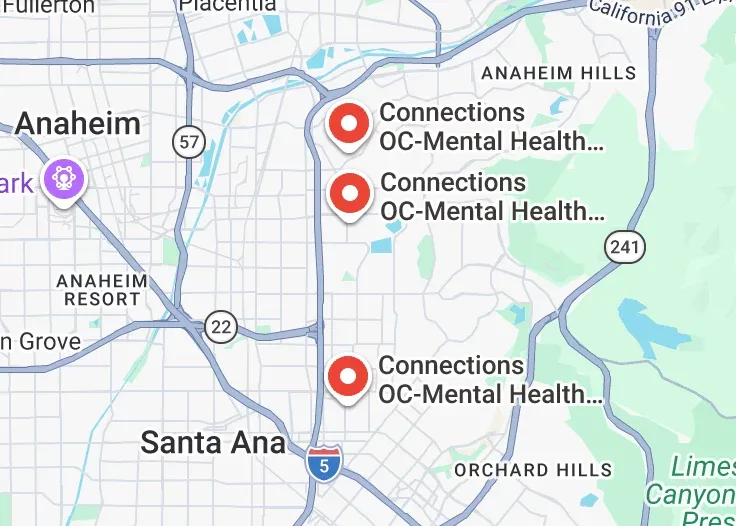
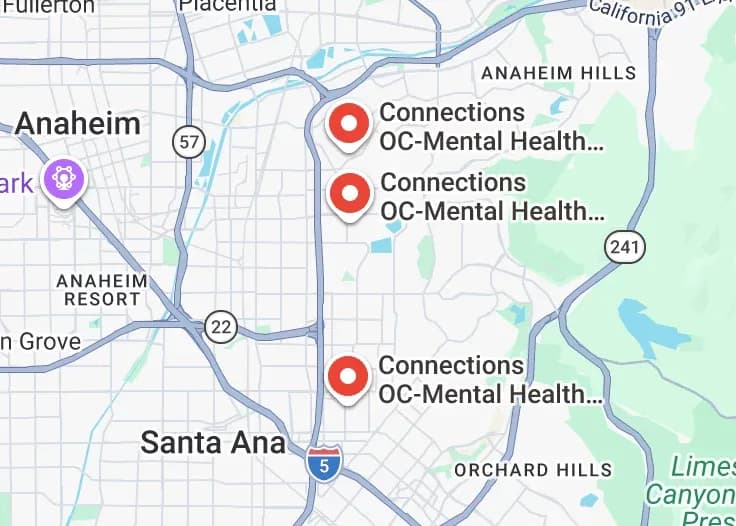
Choose from our beautiful locations near beaches & national parks.

888-255-2112
California
  • Orange County
    Tustin, CATustin, CAVilla Park, CAVilla Park, CAOrange, CAOrange, CA
    Location Preview
Tustin, CATustin, CAVilla Park, CAVilla Park, CAOrange, CAOrange, CA
Location Preview
Tustin, CATustin, CAVilla Park, CAVilla Park, CAOrange, CAOrange, CA
Location Preview
Areas We Serve

Why I should relocate for rehab?

Menu CTA Image
Mental Health Disorders
Anxiety Disorders
  • Generalized Anxiety Disorder
  • Panic Disorder
  • Obsessive Compulsive Disorder
  • Social Anxiety Disorder
  • Agoraphobia
Mood Disorders
  • Depression Treatment (MentalHealth National)
  • Bipolar Disorder
  • Premenstrual Dysphoric Disorder
  • Disruptive Mood Dysregulation Disorder
  • Major Depressive Disorder
  • Persistent Depressive Disorder
  • Seasonal Affective Disorder
Trauma Disorders
  • Post Traumatic Stress Disorder
  • Adjustment Disorder
Personality Disorders
  • Borderline Personality Disorder
  • Antisocial Personality Disorder
  • Dissociative Identity Disorder
  • Histrionic Personality Disorder
  • Paranoid Personality Disorder
Psychotic Disorders
  • Schizophrenia
  • Schizoaffective Disorder
Neurodevelopment Disorder Treatment (MentalHealth National)
  • ADHD
Areas We Serve

Why I should relocate for rehab?

Menu CTA Image
Mental Health Treatment

Mental Health Treatment

Get dual-diagnosis treatment for SUD and mental health

888-255-2112
  • Cognitive Behavioral TherapyCognitive Behavioral Therapy
  • Dialectical Behavioral TherapyDialectical Behavioral Therapy
  • Seeking Safety TreatmentSeeking Safety Treatment
  • Motivational InterviewingMotivational Interviewing
  • Medication ManagementMedication Management
Areas We Serve

Why I should relocate for rehab?

Menu CTA Image
Contact
657-298-1982
657-298-1982
Skip to content

What Is Bulimia?

Picture of Written By:
Written By:

Matthew D'Ursov

Picture of Content Manager:
Content Manager:

Amy Leifeste

Picture of Editor:
Editor:

Karena Mathis

Posted On
February 28, 2024

Treatment Guidance Website Tour

After reading this current page, click on the next page we recommend here, or at the bottom of this page.

What is bulimia? Bulimia nervosa is an eating disorder that causes you to eat large amounts of food at one time (binging) and then get rid of it (purging). The physical, behavioral, and emotional symptoms vary. The exact causes of bulimia are unknown — it may be a combination of genetic factors and learned behaviors. Education and symptom awareness can help mitigate many bulimia health risks.

Understanding Bulimia Disorder

Bulimia is an eating disorder marked by cycles of uncontrollable binge eating, defined as consuming a significantly larger amount of food than usual within a span of less than two hours. These episodes are accompanied by a sense of loss of control. Subsequent purging behaviors include either self-induced vomiting or the misuse of diuretics, laxatives, or enemas to prevent weight gain.

The frequency of these binge-purge episodes varies widely, ranging from multiple times daily to several times weekly.

Individuals with bulimia often maintain a normal or higher-than-average body weight, which can conceal their condition for extended periods. It’s not uncommon for persons with bulimia to delay seeking treatment until their 30s or 50s, at which point the disordered eating patterns may be deeply rooted and more challenging to alter.

There are two primary subtypes of bulimia based on how individuals compensate for calorie intake:

Purging type: Individuals engage in self-induced vomiting or misuse of medications to promote bowel movements.

Non-purging type: Individuals may resort to fasting or excessive exercise instead of purging to counteract the calories consumed during binges.

What are the symptoms of bulimia, then?

A man is hold his hand to his forehead wondering what does bulimia mean

Bulimia Symptoms

Signs of bulimia can be physical and psychological in presentation, and should be diagnosed and treated by a licensed mental health professional.

Bulimia symptoms may include:

  • Maintaining a body weight that is normal or above the average
  • Uncontrollable binge-eating episodes, coupled with a fear of not being able to stop
  • Engaging in secret self-induced vomiting
  • Undertaking excessive physical exercise
  • Practicing extreme fasting
  • Displaying unusual eating rituals
  • Misusing laxatives or diuretics
  • Experiencing menstrual irregularities or cessation
  • Suffering from anxiety
  • Enduring feelings of self-dissatisfaction and negative body image
  • Showing signs of depression
  • Obsessing over food, body weight, and shape
  • Dealing with a consistently sore or inflamed throat
  • Feeling fatigue and a lack of energy
  • Having dental issues, such as enamel erosion from frequent vomiting

Individuals with eating disorders like bulimia typically share certain emotional traits, such as:

  • Tendency toward low self-esteem
  • Sense of helplessness
  • Extreme fear of gaining weight
  • Profound dissatisfaction with their body size and shape

For those with bulimia, bingeing can be a coping mechanism to alleviate stress and anxiety, but it often leads to feelings of guilt, self-disgust, and depression. The relief found in purging is usually temporary. There may be an inclination toward impulsivity and higher engagement in risky behaviors, including substance abuse.

Symptoms associated with bulimia can be indicative of other health or mental health issues. Consultation with a healthcare provider is essential for an accurate diagnosis.

Side Effects of Bulimia

Bulimia can lead to serious and potentially life-threatening side effects due to its impact on the body’s systems. These side effects include:

  • Electrolyte imbalances, which can result in irregular heartbeats, heart failure, or sudden death.
  • Gastrointestinal issues, such as chronic constipation, bloating, abdominal pain, and potential rupture of the stomach or esophagus from frequent vomiting.
  • Long-term damage to the digestive system, including the possibility of developing GERD (gastroesophageal reflux disease).
  • Oral health issues, with repeated exposure to stomach acid causing tooth decay, gum disease, and mouth sores.
  • Osteoporosis, stemming from nutritional deficiencies and hormonal disruptions affecting bone density.
  • Skin problems, including acne, dry skin, and carotenemia (yellowing of the skin) due to vitamin imbalances.
  • Severe dehydration, which can lead to kidney failure.
  • Psychological effects, such as increased risk of self-harm, suicidal ideation, and the development of other mental health disorders like anxiety or substance abuse disorders.

The side effects of bulimia mean that anyone affected by this eating disorder should seek medical and psychological treatment to mitigate these risks and address both the symptoms and underlying causes of the eating disorder.

Bulimia Treatment

Treatment for bulimia typically involves a combination of individual therapy and family therapy, aiming to alter behaviors and address nutritional issues. A multidisciplinary care team, including healthcare providers and nutritionists, will be involved in the treatment plan. Family members are often integral to the recovery process, providing essential support.

Therapeutic sessions delve into the connections between thoughts, emotions, and actions. A therapist will assist in identifying and transforming thought patterns that contribute to harmful behaviors.

Medications – especially antidepressants or anti-anxiety agents – might be prescribed for co-occurring anxiety or depression. In severe cases, hospitalization may be necessary to resolve issues with electrolyte imbalances.

FAQs

What are the health risks of bulimia?

Bulimia can lead to severe health risks including electrolyte imbalances, gastrointestinal problems, dental issues due to acid erosion, and heart complications. These risks result from recurrent binge eating followed by purging behaviors, such as vomiting, excessive exercise, or the misuse of laxatives.

Is bulimia a mental Illness?

Yes, bulimia, also known as bulimia nervosa, is classified as a mental illness. It is characterized by a cycle of binge eating followed by purging to prevent weight gain, often accompanied by an extreme fear of gaining weight and a distorted body image.

What does it mean to be bulimic?

What does bulimia mean, then? It means suffering from bulimia nervosa, a serious eating disorder marked by periods of binge eating followed by purging. Individuals with bulimia often feel a lack of control during these episodes, leading to recurring cycles of overeating and compensatory behaviors like vomiting, fasting, or over-exercising to prevent weight gain.

people hugging each other representing learning about symptoms of bulimia

Get Treatment for Mental Health Disorders at Connections

At Connections, we offer insurance-covered inpatient treatment for a wide range of mental health disorders. While we do not specialize in treating eating disorders, we offer comprehensive care for most conditions such as anxiety disorders, mood disorders, personality disorders, and more.

We designed our beachside facility with one overarching goal in mind: to create a small and welcoming space where people battling various mental health issues can begin the recovery process guided by compassionate professionals and surrounded by a small number of peers dealing with similar issues.

Treatment is highly personalized at Connections through evidence-based treatments, world-class therapy, and medication management. During your stay, you’ll also have chance to participate in a range of holistic treatments, helping you to achieve whole-body recovery.

Call 844-759-0999 now to begin your mental health recovery journey.

PrevPrevious Post
Next PostNext

Related Articles

January 16, 2026

Does Insurance Cover Residential Mental Health Treatment?

October 7, 2025

Why Do I Feel Like Everyone Hates Me?

September 18, 2025

Overstimulated Meaning

Share This Article

Related Blogs

Check out our addiction recovery blog to learn more about substance use disorders and how to get effective treatment.

Rehabs near Orange County FAQs

What types of mental health programs are available in Orange County?

Mental health programs near Orange County offer a full continuum of care, including inpatient treatment, partial hospitalization (PHP), intensive outpatient (IOP), and standard outpatient (OP) services. Whether you’re looking for structured care or flexible support, mental health treatment programs are designed to meet a range of needs.

How do I know if I need mental health treatment near Orange County?

If you’re experiencing persistent feelings of anxiety, depression, stress, mood changes, difficulty coping with daily responsibilities, or emotional challenges that are affecting your work, relationships, or overall well-being, it may be time to seek professional support. A mental health assessment can help determine the level of care that’s right for you and connect you with the appropriate treatment options.

What mental health conditions are treated at Orange County mental health centers?

Mental health treatment centers in Orange County commonly provide care for conditions such as anxiety disorders, depression, bipolar disorder, PTSD, trauma-related disorders, OCD, mood disorders, and other emotional or behavioral health concerns. Treatment plans are personalized to each individual’s unique needs, goals, and clinical recommendations.

Will my insurance cover mental health treatment in Orange County?

Many major insurance providers offer coverage for mental health services, including partial hospitalization (PHP), intensive outpatient (IOP), and outpatient treatment programs. Coverage varies by plan, so verifying your benefits with the treatment center can help you understand your available options and any potential out-of-pocket costs.

Website Guide Progress...

What most patients want to know before they book

1Protect your job while you come to treatmentNEXT2Can Insurance cover rehab treatment?NEXT3Why Traveling or Staying Close to home can both be great options.NEXT4Locations & GalleriesNEXT5Staff pageNEXT6ReviewsNEXT7What to bring to treatmentNEXT8Treatment & Therapies we provideNEXT9Admissions ProcessNEXT10Contact UsNEXT11Residential Inpatient vs Hospital InpatientNEXT

You’re Not Alone.

Get treatment from a team of expert staff who is passionate about helping you experience peace.

Call Now
an image of the Connections Mental Health logo

Tustin
DHCS # MHBL240478
Exp 1/10/27

Joint Commission HCO ID: 690880
Effective Date: 3/8/2025

Villa Park
DHCS #MHBL240509
Exp 9/4/26

Joint Commission HCO ID: 690880
Effective Date: 3/8/2025

Orange
DHCS #MHBT260570
Exp 4/8/27

Joint Commission HCO ID: 690880
Effective Date: 3/8/2025

  • 17811 Bigelow Park, Tustin, CA 92780
  • 17841 Lincoln St Villa Park, CA 92861
  • 2403 N Shady Forest Ln Orange, CA 92867
  • Privacy Policy
  • Sitemap
About Us

About Us

Effective residential inpatient mental health treatment.

Get to know us
Who We Are
  • Staff
  • Our Facilities
Resources
  • Blog
  • FAQ
  • Insurance Verification
  • Reviews
Areas We Serve

Why I should relocate for rehab?

Menu CTA Image
Locations

Locations

Choose from our beautiful locations near beaches & national parks.

888-255-2112
California
  • Orange County
    Tustin, CATustin, CAVilla Park, CAVilla Park, CAOrange, CAOrange, CA
    Location Preview
Tustin, CATustin, CAVilla Park, CAVilla Park, CAOrange, CAOrange, CA
Location Preview
Tustin, CATustin, CAVilla Park, CAVilla Park, CAOrange, CAOrange, CA
Location Preview
Areas We Serve

Why I should relocate for rehab?

Menu CTA Image
Mental Health Disorders
Anxiety Disorders
  • Generalized Anxiety Disorder
  • Panic Disorder
  • Obsessive Compulsive Disorder
  • Social Anxiety Disorder
  • Agoraphobia
Mood Disorders
  • Depression Treatment (MentalHealth National)
  • Bipolar Disorder
  • Premenstrual Dysphoric Disorder
  • Disruptive Mood Dysregulation Disorder
  • Major Depressive Disorder
  • Persistent Depressive Disorder
  • Seasonal Affective Disorder
Trauma Disorders
  • Post Traumatic Stress Disorder
  • Adjustment Disorder
Personality Disorders
  • Borderline Personality Disorder
  • Antisocial Personality Disorder
  • Dissociative Identity Disorder
  • Histrionic Personality Disorder
  • Paranoid Personality Disorder
Psychotic Disorders
  • Schizophrenia
  • Schizoaffective Disorder
Neurodevelopment Disorder Treatment (MentalHealth National)
  • ADHD
Areas We Serve

Why I should relocate for rehab?

Menu CTA Image
Mental Health Treatment

Mental Health Treatment

Get dual-diagnosis treatment for SUD and mental health

888-255-2112
  • Cognitive Behavioral TherapyCognitive Behavioral Therapy
  • Dialectical Behavioral TherapyDialectical Behavioral Therapy
  • Seeking Safety TreatmentSeeking Safety Treatment
  • Motivational InterviewingMotivational Interviewing
  • Medication ManagementMedication Management
Areas We Serve

Why I should relocate for rehab?

Menu CTA Image
Contact
Verify Insurance
Call Now

Where Lasting Mental Health Treatment Truly Begins

Connect with our compassionate clinicians to get a personalized mental health treatment plan designed around your needs.
844-759-0999

Learn more about the individual mental health disorders we treat by clicking a button below.

Schizophrenia Disorder
Schizoaffective Disorder
Premenstrual Disphoric Disorder (PMDD)
Cyclothymia
Hypomania
Major Depressive Disorder (MDD)
Disruptive Mood Disregulation Disorder (DMDD)Disorder
Persistent Depressive Disorder (PDD)
ADHD
Social Anxiety Disorder
Major Depressive Disorder (MDD)
Disruptive Mood Disregulation Disorder (DMDD)Disorder
Persistent Depressive Disorder (PDD)
ADHD
Social Anxiety Disorder
Autism Spectrum Disorder (ASD)
Generalized Anxiety Disorder
Social Anxiety Disorder
Agoraphobia
Separation Anxiety Disorder
Dissociative Panic Disorder
Antisocial Personality Disorder
Paranoid Personality Disorder
Adjustment Disorder
Borderline Personality Disorder
USERJOURNEYGUIDE
Website GuideHand-picked pages that help our visitors
0 of 11 visited
  • 1Protect your job while you come to treatment+ Recommended next step
  • 2Can Insurance cover rehab treatment?
  • 3Why Traveling or Staying Close to home can both be great options.
  • 4Locations & Galleries
  • 5Staff page
  • 6Reviews
  • 7What to bring to treatment
  • 8Treatment & Therapies we provide
  • 9Admissions Process
  • 10Contact Us
  • 11Residential Inpatient vs Hospital Inpatient