
About Us

About Us

Effective residential inpatient mental health treatment.

Get to know us
Who We Are
  • Staff
  • Our Facilities
Resources
  • Blog
  • FAQ
  • Insurance Verification
  • Reviews
Areas We Serve

Why I should relocate for rehab?

Menu CTA Image
Locations

Locations

Choose from our beautiful locations near beaches & national parks.

888-255-2112
California
  • Orange County
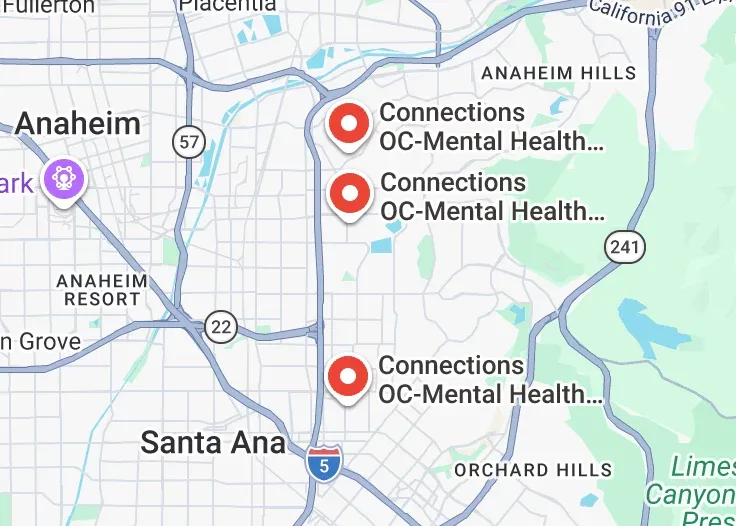
    Tustin, CATustin, CAVilla Park, CAVilla Park, CAOrange, CAOrange, CA
    Location Preview
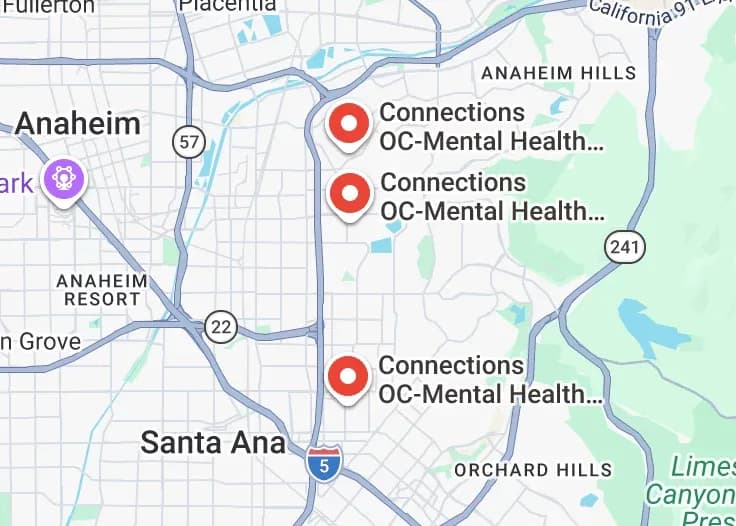
Tustin, CATustin, CAVilla Park, CAVilla Park, CAOrange, CAOrange, CA
Location Preview
Tustin, CATustin, CAVilla Park, CAVilla Park, CAOrange, CAOrange, CA
Location Preview
Areas We Serve

Why I should relocate for rehab?

Menu CTA Image
Mental Health Disorders
Anxiety Disorders
  • Generalized Anxiety Disorder
  • Panic Disorder
  • Obsessive Compulsive Disorder
  • Social Anxiety Disorder
  • Agoraphobia
Mood Disorders
  • Depression Treatment (MentalHealth National)
  • Bipolar Disorder
  • Premenstrual Dysphoric Disorder
  • Disruptive Mood Dysregulation Disorder
  • Major Depressive Disorder
  • Persistent Depressive Disorder
  • Seasonal Affective Disorder
Trauma Disorders
  • Post Traumatic Stress Disorder
  • Adjustment Disorder
Personality Disorders
  • Borderline Personality Disorder
  • Antisocial Personality Disorder
  • Dissociative Identity Disorder
  • Histrionic Personality Disorder
  • Paranoid Personality Disorder
Psychotic Disorders
  • Schizophrenia
  • Schizoaffective Disorder
Neurodevelopment Disorder Treatment (MentalHealth National)
  • ADHD
Areas We Serve

Why I should relocate for rehab?

Menu CTA Image
Mental Health Treatment

Mental Health Treatment

Get dual-diagnosis treatment for SUD and mental health

888-255-2112
  • Cognitive Behavioral TherapyCognitive Behavioral Therapy
  • Dialectical Behavioral TherapyDialectical Behavioral Therapy
  • Seeking Safety TreatmentSeeking Safety Treatment
  • Motivational InterviewingMotivational Interviewing
  • Medication ManagementMedication Management
Areas We Serve

Why I should relocate for rehab?

Menu CTA Image
Contact
657-298-1982
657-298-1982
Skip to content

The Impact of Community on Mental Health

Picture of Written By:
Written By:

Matthew D'Ursov

Picture of Content Manager:
Content Manager:

Amy Leifeste

Picture of Editor:
Editor:

Karena Mathis

Posted On
November 30, 2023

Treatment Guidance Website Tour

After reading this current page, click on the next page we recommend here, or at the bottom of this page.

Community and mental health are closely interrelated. Our mental well-being plays a significant role in shaping our overall quality of life. It should be prioritized in the same way as physical health to build a fulfilling and balanced life. A key aspect of promoting mental well-being is through the establishment of a sense of community.

Community can take various forms, but at its core, it revolves around connection. Beyond being a mere gathering of individuals, community embodies a feeling – a sense of connection, acceptance, and support. It is more than a physical entity and involves feeling linked to others, being acknowledged for your true self, and bolstered by a sense of support. Cultivating these connections contributes to a profound sense of being wanted and loved. Why is community engagement so important for mental health, then?

Friends celebrating at the beach, showing why community is important for mental health

Why Is Community Important for Mental Health?

Human beings are inherently social creatures, and the concept of community is deeply embedded in our nature. Living in isolation goes against our fundamental design, and for those grappling with mental health challenges, the symptoms of loneliness and isolation can be particularly daunting. The significance of community for mental health is underscored by three critical aspects: belonging, support, and purpose.

Belonging

The feeling of not fitting in or being isolated can contribute to a profound sense of loneliness. Community, in essence, provides a vital sense of belonging – a group where people feel they truly belong without the need to conform. Genuine belonging involves embracing and appreciating each member for their unique qualities, fostering an environment where authenticity is celebrated.

Support

In moments of need, having a support system is invaluable. Community offers a network of people available for conversations or assistance, providing a lifeline during challenging situations that may seem overwhelming when faced alone. Knowing there is a support network creates a sense of care, safety, and positively influences a person’s overall perspective on life.

Purpose

Within a community, individuals often assume different roles based on their strengths and interests. Whether it’s offering a comforting meal during tough times or being a reliable listener for friends going through struggles, these roles imbue a sense of purpose. Contributing to the well-being of others provides a meaningful direction in life, engendering a sense of purpose that can be transformative for mental health.

By encompassing these elements – belonging, support, and purpose – community becomes a powerful ally in promoting and sustaining mental well-being. It becomes a source of strength, understanding, and shared experiences that contribute to a healthier and more fulfilling life.

Mental Health Benefits to Being in a Community

Being part of a community is not only a social construct, but it also profoundly impacts mental health, offering an array of benefits that contribute to overall well-being. Here are some key mental health advantages of being in a community:

  • Reduced loneliness and isolation: Loneliness is a prevalent challenge for many people, and it can significantly impact mental health. In a community, individuals are surrounded by a network of people who share common interests or experiences. This connection diminishes feelings of isolation, providing a supportive environment where individuals feel understood and valued.
  • Enhanced emotional support: Communities serve as a source of emotional support during both joyful and challenging times. Having a network of people to share emotions and experiences with fosters a sense of connection. Emotional support is crucial for managing stress, anxiety, and other mental health issues, creating a buffer against the negative impacts of life’s difficulties.
  • Sense of belonging: Belonging to a community cultivates a profound sense of identity and acceptance. Feeling that you are an integral part of a group, where your unique qualities are embraced, enhances self-esteem, and contributes to a positive self-image. This sense of belonging is fundamental to mental well-being.
  • Stress reduction: Social interactions within a community can act as a stress buffer. Engaging in shared activities, whether recreational or purpose-driven, promotes relaxation and reduces the physiological and psychological effects of stress. The feeling of being supported and understood can alleviate the burden of stressors.
  • Increased social engagement: Communities encourage social engagement, providing opportunities for meaningful interactions. Socializing and connecting with others triggers the release of neurotransmitters like oxytocin and serotonin, which play vital roles in mood regulation. Increased social engagement is linked to lower rates of depression and anxiety.
  • Building a supportive routine: Being part of a community often involves participating in regular activities or events. Establishing a routine through community involvement contributes to a sense of structure and purpose. Predictable and positive routines can be especially beneficial for those undergoing mental health challenges.
  • Shared learning and coping strategies: Communities offer a platform for shared learning and the exchange of coping strategies. Individuals facing similar mental health issues can provide insights, advice, and coping mechanisms based on their experiences. This shared knowledge creates a collaborative environment for personal growth and resilience.
  • Empowerment and advocacy: Advocacy within a community empowers people to voice their concerns and contribute to positive change. Empowered individuals are more likely to prioritize their mental health needs, fostering a proactive approach to well-being. Community-based advocacy efforts also contribute to reducing stigma surrounding mental health.

The mental health benefits of being in a community, then, are multifaceted. From reducing loneliness to fostering a sense of belonging and empowerment, communities play a pivotal role in creating environments that support and enhance mental well-being.

an image of people who engaged in community and went to a mental health treatment program

Get Treatment for Mental Health Disorders & Find Community at Connections

At Connections Mental Health in Southern California, we offer empathetic and individualized treatment for individuals grappling with depression and various mental health conditions.

Nestled by the beach, our facility creates a warm and nurturing atmosphere, providing a haven for those seeking stability, tranquility, and healing. Our dedicated team of experts employs a blend of holistic and scientifically supported treatments within a setting intentionally crafted to evoke a sense of home rather than a clinical environment.

Whether you or someone you know is facing episodes of depression, we’re here to assist you in restoring functionality and enhancing mental well-being at Connections Mental Health.

Call 844-759-0999 and explore how you can initiate your recovery journey in Southern California.

PrevPrevious Post
Next PostNext

Related Articles

January 16, 2026

Does Insurance Cover Residential Mental Health Treatment?

October 7, 2025

Why Do I Feel Like Everyone Hates Me?

September 18, 2025

Overstimulated Meaning

Share This Article

Related Blogs

Check out our addiction recovery blog to learn more about substance use disorders and how to get effective treatment.

Rehabs near Orange County FAQs

What types of mental health programs are available in Orange County?

Mental health programs near Orange County offer a full continuum of care, including inpatient treatment, partial hospitalization (PHP), intensive outpatient (IOP), and standard outpatient (OP) services. Whether you’re looking for structured care or flexible support, mental health treatment programs are designed to meet a range of needs.

How do I know if I need mental health treatment near Orange County?

If you’re experiencing persistent feelings of anxiety, depression, stress, mood changes, difficulty coping with daily responsibilities, or emotional challenges that are affecting your work, relationships, or overall well-being, it may be time to seek professional support. A mental health assessment can help determine the level of care that’s right for you and connect you with the appropriate treatment options.

What mental health conditions are treated at Orange County mental health centers?

Mental health treatment centers in Orange County commonly provide care for conditions such as anxiety disorders, depression, bipolar disorder, PTSD, trauma-related disorders, OCD, mood disorders, and other emotional or behavioral health concerns. Treatment plans are personalized to each individual’s unique needs, goals, and clinical recommendations.

Will my insurance cover mental health treatment in Orange County?

Many major insurance providers offer coverage for mental health services, including partial hospitalization (PHP), intensive outpatient (IOP), and outpatient treatment programs. Coverage varies by plan, so verifying your benefits with the treatment center can help you understand your available options and any potential out-of-pocket costs.

Website Guide Progress...

What most patients want to know before they book

1Protect your job while you come to treatmentNEXT2Can Insurance cover rehab treatment?NEXT3Why Traveling or Staying Close to home can both be great options.NEXT4Locations & GalleriesNEXT5Staff pageNEXT6ReviewsNEXT7What to bring to treatmentNEXT8Treatment & Therapies we provideNEXT9Admissions ProcessNEXT10Contact UsNEXT11Residential Inpatient vs Hospital InpatientNEXT

You’re Not Alone.

Get treatment from a team of expert staff who is passionate about helping you experience peace.

Call Now
an image of the Connections Mental Health logo

Tustin
DHCS # MHBL240478
Exp 1/10/27

Joint Commission HCO ID: 690880
Effective Date: 3/8/2025

Villa Park
DHCS #MHBL240509
Exp 9/4/26

Joint Commission HCO ID: 690880
Effective Date: 3/8/2025

Orange
DHCS #MHBT260570
Exp 4/8/27

Joint Commission HCO ID: 690880
Effective Date: 3/8/2025

  • 17811 Bigelow Park, Tustin, CA 92780
  • 17841 Lincoln St Villa Park, CA 92861
  • 2403 N Shady Forest Ln Orange, CA 92867
  • Privacy Policy
  • Sitemap
About Us

About Us

Effective residential inpatient mental health treatment.

Get to know us
Who We Are
  • Staff
  • Our Facilities
Resources
  • Blog
  • FAQ
  • Insurance Verification
  • Reviews
Areas We Serve

Why I should relocate for rehab?

Menu CTA Image
Locations

Locations

Choose from our beautiful locations near beaches & national parks.

888-255-2112
California
  • Orange County
    Tustin, CATustin, CAVilla Park, CAVilla Park, CAOrange, CAOrange, CA
    Location Preview
Tustin, CATustin, CAVilla Park, CAVilla Park, CAOrange, CAOrange, CA
Location Preview
Tustin, CATustin, CAVilla Park, CAVilla Park, CAOrange, CAOrange, CA
Location Preview
Areas We Serve

Why I should relocate for rehab?

Menu CTA Image
Mental Health Disorders
Anxiety Disorders
  • Generalized Anxiety Disorder
  • Panic Disorder
  • Obsessive Compulsive Disorder
  • Social Anxiety Disorder
  • Agoraphobia
Mood Disorders
  • Depression Treatment (MentalHealth National)
  • Bipolar Disorder
  • Premenstrual Dysphoric Disorder
  • Disruptive Mood Dysregulation Disorder
  • Major Depressive Disorder
  • Persistent Depressive Disorder
  • Seasonal Affective Disorder
Trauma Disorders
  • Post Traumatic Stress Disorder
  • Adjustment Disorder
Personality Disorders
  • Borderline Personality Disorder
  • Antisocial Personality Disorder
  • Dissociative Identity Disorder
  • Histrionic Personality Disorder
  • Paranoid Personality Disorder
Psychotic Disorders
  • Schizophrenia
  • Schizoaffective Disorder
Neurodevelopment Disorder Treatment (MentalHealth National)
  • ADHD
Areas We Serve

Why I should relocate for rehab?

Menu CTA Image
Mental Health Treatment

Mental Health Treatment

Get dual-diagnosis treatment for SUD and mental health

888-255-2112
  • Cognitive Behavioral TherapyCognitive Behavioral Therapy
  • Dialectical Behavioral TherapyDialectical Behavioral Therapy
  • Seeking Safety TreatmentSeeking Safety Treatment
  • Motivational InterviewingMotivational Interviewing
  • Medication ManagementMedication Management
Areas We Serve

Why I should relocate for rehab?

Menu CTA Image
Contact
Verify Insurance
Call Now

Where Lasting Mental Health Treatment Truly Begins

Connect with our compassionate clinicians to get a personalized mental health treatment plan designed around your needs.
844-759-0999

Learn more about the individual mental health disorders we treat by clicking a button below.

Schizophrenia Disorder
Schizoaffective Disorder
Premenstrual Disphoric Disorder (PMDD)
Cyclothymia
Hypomania
Major Depressive Disorder (MDD)
Disruptive Mood Disregulation Disorder (DMDD)Disorder
Persistent Depressive Disorder (PDD)
ADHD
Social Anxiety Disorder
Major Depressive Disorder (MDD)
Disruptive Mood Disregulation Disorder (DMDD)Disorder
Persistent Depressive Disorder (PDD)
ADHD
Social Anxiety Disorder
Autism Spectrum Disorder (ASD)
Generalized Anxiety Disorder
Social Anxiety Disorder
Agoraphobia
Separation Anxiety Disorder
Dissociative Panic Disorder
Antisocial Personality Disorder
Paranoid Personality Disorder
Adjustment Disorder
Borderline Personality Disorder
USERJOURNEYGUIDE
Website GuideHand-picked pages that help our visitors
0 of 11 visited
  • 1Protect your job while you come to treatment+ Recommended next step
  • 2Can Insurance cover rehab treatment?
  • 3Why Traveling or Staying Close to home can both be great options.
  • 4Locations & Galleries
  • 5Staff page
  • 6Reviews
  • 7What to bring to treatment
  • 8Treatment & Therapies we provide
  • 9Admissions Process
  • 10Contact Us
  • 11Residential Inpatient vs Hospital Inpatient