







How to Stop Ruminating? Tips to Break the Cycle of Overthinking


Written By:
Matthew D'Ursov

Content Manager:
Amy Leifeste

Editor:
Karena Mathis
Posted On
Treatment Guidance Website Tour
How to Stop Ruminating
In today’s wired world, it’s easy for your mind to get trapped in cycles of worry and negative thinking. This habit, known as rumination, can make you feel stuck, anxious, or sad. When you ruminate, you may replay past mistakes or future fears, making it hard to focus on anything else. This page addresses topics like what is rumination, how it affects mental health, and how to stop ruminating with simple strategies. You will also discover how to get compassionate and effective treatment for mental health issues. [acf field=cta1]The Meaning of Ruminating
Ruminative thinking involves your mind getting caught on a thought or set of thoughts—often negative—that you can’t seem to release [1]. The mind is stuck on replay, going over the same worries, regrets, or “what if” scenarios. Rather than moving forward, you end up in a loop, ruminating over past situations or worrying about future possibilities without finding a solution. Ruminating can feel like you’re trying to solve a problem, but it usually doesn’t yield answers. Instead, it just keeps you feeling upset, anxious, or stuck. When you ruminate, it can be hard to be fully present or enjoy what’s happening around you. Your mind is somewhere else, reliving old mistakes or getting anxious about things that haven’t happened. Many people ruminate because it can feel like a way to cope with uncertainty or past mistakes, helping them to be more prepared if a similar situation happens again. However, studies show that repetitive thinking doesn’t help people feel better. Instead, it keeps the mind focused on the negative, increases stress, and impacts physical health [2]. People who frequently ruminate are more likely to experience symptoms of anxiety and depression, as their minds stay focused on distressing thoughts without any productive outcome. Rumination is not the same as reflection. Ruminating thoughts are repetitive and negative, while reflection is a healthy way to learn from experiences [3]. Reflecting means looking back thoughtfully to understand a situation and what you might do differently in the future. Unlike rumination, reflection doesn’t trap you in negative thoughts but helps you move forward with fresh insights.Examples of Rumination
Rumination can look different for everyone, but it usually involves getting stuck on specific thoughts that feel overwhelming or out of your control. Rumination examples include:- Dwelling on past mistakes: One common form of rumination involves focusing on past mistakes. Imagine you made a small error during a presentation at work or school. Even though the moment has passed, and most people have probably forgotten about it, you keep replaying the mistake. You might think you could have done it differently or may feel embarrassed and worried that others are judging you. This kind of rumination doesn’t lead to a solution and only deepens feelings of self-doubt and regret.
- Worrying about future events: Sometimes, rumination happens when you focus too much on things that haven’t occurred yet. You may have a test, interview, or presentation coming up and ruminate by thinking about everything that could go wrong. You might imagine scenarios in which you forget everything you know, get asked difficult questions, or embarrass yourself. Instead of preparing for the event, you feel more anxious and less confident.
- Overthinking conversations: Many people ruminate on things they said or did after social interactions. They might worry about whether they came across as friendly, funny, or confident enough. This overthinking can be exhausting and detracts from the positive experience of connecting with others.
- Constant self-criticism: People who ruminate often focus on personal flaws or weaknesses, criticizing themselves repeatedly. This can lead to a negative cycle where the person feels like they’re never good enough, regardless of their achievements.
- Replaying traumatic experiences: For some, rumination can be tied to traumatic events [4]. This type of rumination involves replaying the traumatic experience and wondering if they could have done something differently to prevent it. While this is a natural response, it can become a toxic cycle, keeping the person emotionally stuck in the past.
- Imagining “what-if” scenarios: Another common form of rumination is imagining different (almost exclusively negative) “what-if scenarios.” These hypothetical questions don’t lead to real answers and only make people feel uncertain and dissatisfied with their current lives. Instead of accepting things as they are, they get caught in an endless cycle of wondering about alternative outcomes.
- Comparing yourself to others: Constant comparisons can lead to rumination. Scrolling through social media may cause people to question their own choices, accomplishments, or appearance. This kind of rumination can trigger feelings of inadequacy and low self-esteem.
Depression and Rumination
Rumination and depression often go hand-in-hand, each worsening the other. In depression, rumination involves replaying negative memories or focusing on personal shortcomings, which deepens feelings of sadness and hopelessness [5]. People may think obsessively about past mistakes or situations they can’t change, trapping them in negative thoughts. Rather than helping, this constant negative self-reflection only reinforces a low mood, making it harder for someone to enjoy daily life or take action to feel better. Depression-related rumination often leads to social withdrawal, as people lose energy or interest in being around others.Anxiety Disorders and Rumination
In anxiety disorders, rumination often means constantly replaying “what-if” scenarios or worrying about future events. Rumination anxiety is common in those with GAD (generalized anxiety disorder), who may feel stuck in an endless cycle of worry about relationships, finances, or health. Anxiety-based rumination keeps the mind on high alert, leading to stress and physical symptoms like headaches or stomach aches. Rather than problem-solving, rumination in anxiety tends to focus on imagined threats, amplifying anxiety and creating a vicious cycle of fear and worry. [acf field=cta2]Obsessive-Compulsive Disorder (OCD) and Rumination
Rumination in OCD (obsessive-compulsive disorder) often centers on intrusive thoughts that feel distressing. Those with OCD may overanalyze these thoughts, trying to find reassurance or control, but this only leads to more stress. A person with contamination fears may continually ruminate about how they could become sick, causing them to avoid situations that could expose them to germs. This type of rumination becomes a mental compulsion, reinforcing OCD’s cycle of obsessions and compulsions. The person may feel compelled to think through every possible outcome to ease their anxiety, but this ultimately intensifies the stress.Cognitive Behavioral Therapy (CBT) for Rumination
CBT (cognitive behavioral therapy) is a highly effective treatment for rumination. CBT focuses on understanding and changing patterns in thinking and acting. For those caught in cycles of rumination, CBT provides practical strategies to manage these repetitive thoughts and gain a healthier perspective. CBT is based on the idea that your thoughts, feelings, and behaviors are closely connected. CBT helps people break free of negative thinking by identifying unhelpful thought patterns. If a person ruminates about a past mistake, for example, CBT can teach them to recognize this as an unhelpful thought, reframe it, and shift focus to more constructive actions. Many people ruminate without realizing it, so CBT encourages them to watch for signs of repetitive thoughts. Through practice, they learn to spot the early signs of ruminations and can take steps to redirect their thinking. CBT also involves setting goals to help people act rather than ruminate. By setting small, achievable goals—going for a walk or practicing mindfulness—individuals learn to shift their focus away from negative thoughts and build healthier thinking habits.How CBT Addresses Ruminating Thoughts
CBT uses specific techniques to address rumination. These techniques are designed to break down unhelpful patterns of thinking, allowing people to see their thoughts from a more balanced perspective. Here are some of the main CBT tools used to address ruminating thoughts:- Cognitive restructuring: Cognitive restructuring is the process of identifying and challenging negative thoughts [6]. This involves looking at a negative thought and asking if it is based on facts or assumptions. Cognitive restructuring can replace ruminative thoughts with more realistic and balanced ones by questioning negative assumptions.
- Thought-stopping: Thought-stopping is a technique that teaches people to interrupt their ruminative thoughts. When a repetitive thought starts, they use a mental cue—like saying “stop” to themselves—to disrupt the pattern. With practice, thought-stopping can reduce the power of ruminative thoughts by creating a clear mental boundary.
- Mindfulness practices: Mindfulness is a CBT technique that encourages focusing on the present moment without judgment. People practicing mindfulness learn to notice their thoughts without getting attached to them. Instead of getting caught up in worrying about a past mistake, mindfulness helps people stay focused on the present, gently redirecting their attention if rumination occurs.
- Behavioral activation: Behavioral activation is another helpful CBT technique that urges people to engage in positive activities. Since rumination often leads to isolation, behavioral activation focuses on increasing activities that bring joy or a sense of accomplishment. Positive activities can lift mood and make rumination feel less overwhelming.
Getting Help
If rumination affects your quality of life, reaching out for help can make a big difference. While self-help techniques can be useful, therapy with a trained professional can provide support and additional tools to manage rumination effectively. Rumination becomes a problem when it’s hard to control and negatively affects your life. If rumination impacts your sleep, relationships, and ability to focus, it may be time to talk to a therapist. Persistent rumination can sometimes be a symptom of mental health conditions like anxiety, depression, or OCD, which may need more specialized treatment. CBT is one of the most effective therapies for rumination, but other therapies may also help, depending on individual needs. Examples include:- MBCT (mindfulness-based cognitive therapy): This therapy combines CBT techniques with mindfulness practices to help people stay present and reduce ruminative thinking.
- ACT (acceptance and commitment therapy): ACT encourages accepting thoughts without letting them control your actions. This can be especially beneficial for those who feel overwhelmed by ruminative thoughts.
- DBT (dialectical behavior therapy): DBT teaches emotional regulation and mindfulness skills, which can be useful for those dealing with intense or frequent rumination.
Get Compassionate and Effective Mental Health Treatment at Connections
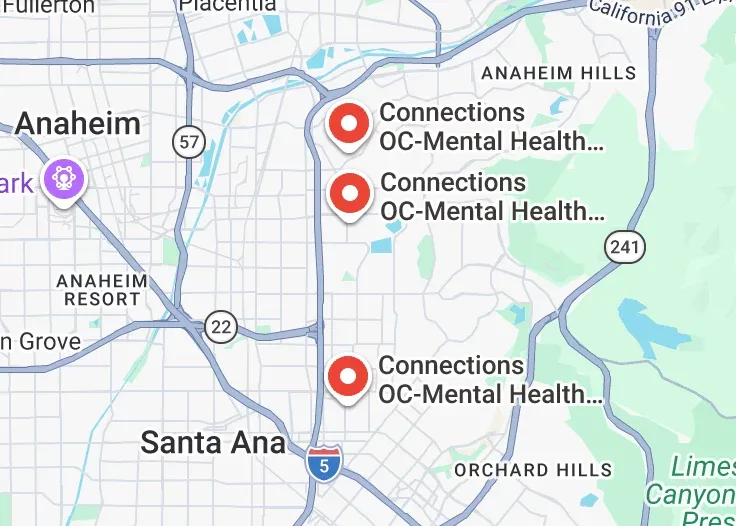
If you have been struggling with any kind of mental health issue, we can help you get back on track at Connections! At Connections in Orange County, we treat all mental health struggles, including rumination, anxiety, and disorders like OCD, in an immersive inpatient setting. Our personalized treatment plans are administered by knowledgeable clinicians and may include the following services:- 24/7 supervision
- Individualized care
- Medication management
- Comfortable and safe accommodations
- Cognitive behavioral therapy
- Dialectical behavioral therapy
- Motivational interviewing
- Depression
- Anxiety
- OCD
- Mood disorders
- Eating disorders
- Suicidal ideation
Related Articles
Share This Article
Related Blogs
Check out our addiction recovery blog to learn more about substance use disorders and how to get effective treatment.
Rehabs near Los Angeles County FAQs
What types of mental health programs are available in Los Angeles County?
Mental health programs near Los Angeles County offer a full continuum of care, including inpatient treatment, partial hospitalization (PHP), intensive outpatient (IOP), and standard outpatient (OP) services. Whether you’re looking for structured care or flexible support, mental health treatment programs are designed to meet a range of needs.
How do I know if I need mental health treatment near Los Angeles County?
If you’re experiencing persistent feelings of anxiety, depression, stress, mood changes, difficulty coping with daily responsibilities, or emotional challenges that are affecting your work, relationships, or overall well-being, it may be time to seek professional support. A mental health assessment can help determine the level of care that’s right for you and connect you with the appropriate treatment options.
What mental health conditions are treated at Los Angeles County mental health centers?
Mental health treatment centers in Los Angeles County commonly provide care for conditions such as anxiety disorders, depression, bipolar disorder, PTSD, trauma-related disorders, OCD, mood disorders, and other emotional or behavioral health concerns. Treatment plans are personalized to each individual’s unique needs, goals, and clinical recommendations.
Will my insurance cover mental health treatment in Los Angeles County?
Many major insurance providers offer coverage for mental health services, including partial hospitalization (PHP), intensive outpatient (IOP), and outpatient treatment programs. Coverage varies by plan, so verifying your benefits with the treatment center can help you understand your available options and any potential out-of-pocket costs.

Website Guide Progress...
What most patients want to know before they book
You’re Not Alone.
Get treatment from a team of expert staff who is passionate about helping you experience peace.