After reading this current page, click on the next page we recommend here, or at the bottom of this page.
As you get older, certain life events like retiring, losing loved ones, or getting sick can affect your mental health. Although age and mental health are related, mental health problems don’t have to happen as you age. Most older people don’t have these problems, and there is help if you do.
Read on to learn more about aging and how it affects mental health. You can also discover how to get compassionate, effective mental health treatment.
For immediate help in a crisis, call 844-759-0999.
How are Old Age and Mental Health Related?
As people get older, their lives change significantly. These changes can affect mental health in many different ways.
Life changes: Older adults might retire, move to a new place, or lose loved ones. These events can make them feel sad, lonely, or stressed.
Physical health: Getting older often means dealing with health problems. Illnesses or pain can make it hard to stay positive and active.
Social connections: Some older people feel lonely because they don’t see friends and family enough. Staying connected with others is important for mental health.
Staying active: Keeping the mind and body active helps mental health. Exercising, hobbies, and learning new things can make a big difference.
Remember that getting older doesn’t mean you have to feel bad. There are ways to stay happy and healthy in your senior years. Always talk to a doctor if you have concerns about mental health and don’t be afraid to lean on your loved ones.
How Caregivers Can Support & Improve Elderly Mental Health
Caregivers play a big role in helping older adults stay mentally healthy.
Be there and listen
Spend time with the elderly person and listen to them. Show them that you care and understand their feelings. Just being there can make them feel better.
Encourage social activities
Help them stay connected with friends and family. Plan visits, calls, or outings. Joining clubs or groups can also help them meet new people and stay social.
Promote healthy habits
Encourage them to eat healthy, exercise, and get enough sleep. These habits are good for both physical and mental health. Even a short walk each day can make a big difference.
Help with medical care
Make sure they go to their doctor’s appointments and take their medications. If they need help with memory or feeling sad, consult the doctor.
Support hobbies and interests
Find out what they enjoy, like reading, gardening, or playing games. Help them keep up with their hobbies or try new ones together.
Create a safe environment
Make their home safe and comfortable. This can reduce stress and prevent accidents. Simple changes like good lighting and removing tripping hazards help a lot.
Encourage talking about feelings
Let them know they can talk about their feelings. If they seem sad or worried, encourage them to share their thoughts. Talking can help them feel better and find solutions.
Be patient and positive
Sometimes, older adults may feel frustrated or down. Be patient and stay positive. Your support and encouragement can help them through tough times.
Caregivers can make a meaningful difference in an elderly person’s mental health. Small, caring actions can lead to happier, healthier lives for seniors.
5 Ways to Combat Aging’s Effect on Mental Health
As people get older, it becomes more important to take steps to keep the mind healthy. Here are five ways to fight the effects of aging on mental health:
Stay active: Exercise helps keep the body and mind strong. Walking, swimming, or yoga can improve mood and reduce stress. Even small activities, like gardening or dancing, can make a difference.
Keep learning: Learning new things keeps the brain sharp. Try reading books, doing puzzles, or taking up a new hobby. Learning something new every day helps keep the mind active and engaged.
Stay social: Being around others is good for mental health. Spend time with friends and family, join clubs, or volunteer. Social activities can reduce feelings of loneliness and increase happiness.
Eat healthy: Eating the right foods can boost mental health. Fruits, vegetables, whole grains, and lean proteins provide the nutrients needed for a healthy mind. Drinking plenty of water is also important.
Get enough sleep: Good sleep is essential for mental health. Go to bed and wake up at the same time every day. Make sure the sleeping area is quiet and comfortable. Avoid caffeine and electronics before bedtime to improve sleep quality.
These simple steps can help combat the effects of aging on mental health, leading to a healthier and more fulfilled life.
Common Mental Health Issues in Older Adults
The mental health needs of older adults are unique. Changes like moving, losing loved ones, and physical health changes often happen after age 60. These changes are sometimes associated with mental health complications.
Depression
Many older people feel sad or hopeless, and more than 2 million U.S. seniors suffer from depression. Depression can make it hard to enjoy things and affects daily life. Help is available through doctors, counseling, or medication.
Substance abuse
Some older adults drink too much alcohol or misuse other substances. 2022 data show that 2.3 million seniors had an alcohol addiction and 1.8 million had a drug addiction. Substance abuse can cause mood problems, sleep issues, and memory loss in seniors. Talk to a doctor if you have concerns.
Dementia
Dementia affects memory, thinking, and problem-solving. There is no cure, but treatments can help affected seniors live well. Get support and learn ways to reduce the risk of dementia.
Anxiety
Older adults can feel very worried or anxious. This can make it hard to do daily activities. Talking to a doctor can help find the right treatment.
Frequent mental distress
Feeling stressed or upset often can happen in older age. Seek help if these feelings become overwhelming.
Suicide
Some older adults feel so hopeless that they think about ending their life. Talk to someone and get help immediately if you have thoughts of self-harm or suicide.
Each of these issues can be managed with the right support and treatment. Always consult a healthcare provider if you or someone you know is struggling.
Aging and Mental Health | FAQs
How can I help an elderly person struggling with mental health?
You can help by listening to them, being patient, and encouraging them to see a doctor. Spending time together and showing support also makes a big difference.
What are the signs an older person has poor mental health?
Signs include being very sad, confused, or worried. They might also stop doing things they used to enjoy or have trouble sleeping.
What diseases make mental health worse?
Diseases like Alzheimer’s, Parkinson’s, and stroke can make mental health worse. Chronic diseases like diabetes or heart disease can also have a negative impact.
Get Compassionate Mental Health Treatment at Connections
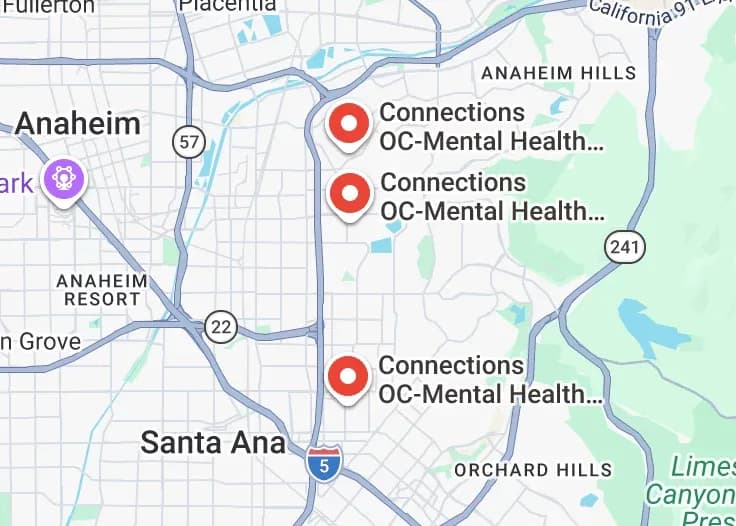
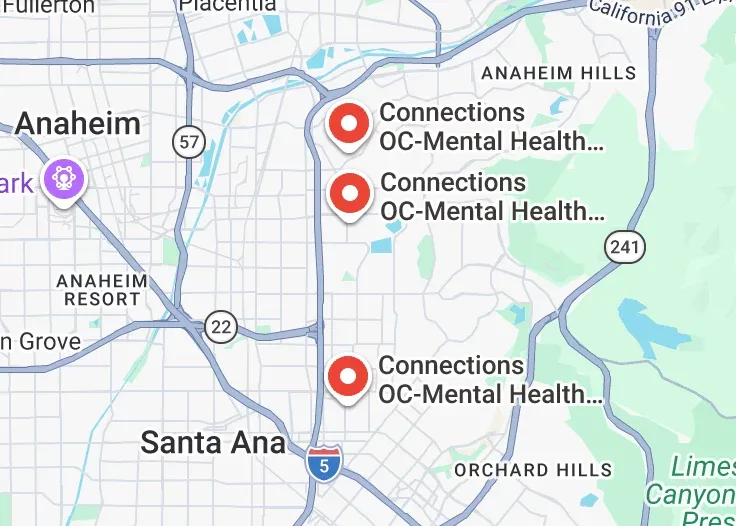
We offer effective and compassionate mental health treatment for people of all ages at Connections Mental Health in Southern California.
We choose to admit only six people at one time. This lets you get lots of personal attention while still enjoying support from others dealing with similar issues.
All mental health conditions are unique, so all treatment programs at Connections offer personalized therapies. These include medication management, talk therapies like CBT, family therapy, and holistic treatments.
If you want to feel and function better as you age, call our friendly team at 844-759-0999.
What types of mental health programs are available in Orange County?
Mental health programs near Orange County offer a full continuum of care, including inpatient treatment, partial hospitalization (PHP), intensive outpatient (IOP), and standard outpatient (OP) services. Whether you’re looking for structured care or flexible support, mental health treatment programs are designed to meet a range of needs.
How do I know if I need mental health treatment near Orange County?
If you’re experiencing persistent feelings of anxiety, depression, stress, mood changes, difficulty coping with daily responsibilities, or emotional challenges that are affecting your work, relationships, or overall well-being, it may be time to seek professional support. A mental health assessment can help determine the level of care that’s right for you and connect you with the appropriate treatment options.
What mental health conditions are treated at Orange County mental health centers?
Mental health treatment centers in Orange County commonly provide care for conditions such as anxiety disorders, depression, bipolar disorder, PTSD, trauma-related disorders, OCD, mood disorders, and other emotional or behavioral health concerns. Treatment plans are personalized to each individual’s unique needs, goals, and clinical recommendations.
Will my insurance cover mental health treatment in Orange County?
Many major insurance providers offer coverage for mental health services, including partial hospitalization (PHP), intensive outpatient (IOP), and outpatient treatment programs. Coverage varies by plan, so verifying your benefits with the treatment center can help you understand your available options and any potential out-of-pocket costs.